Top tips to save
These tips will help you use energy more efficiently and save money. They are quick, easy and most are completely free.
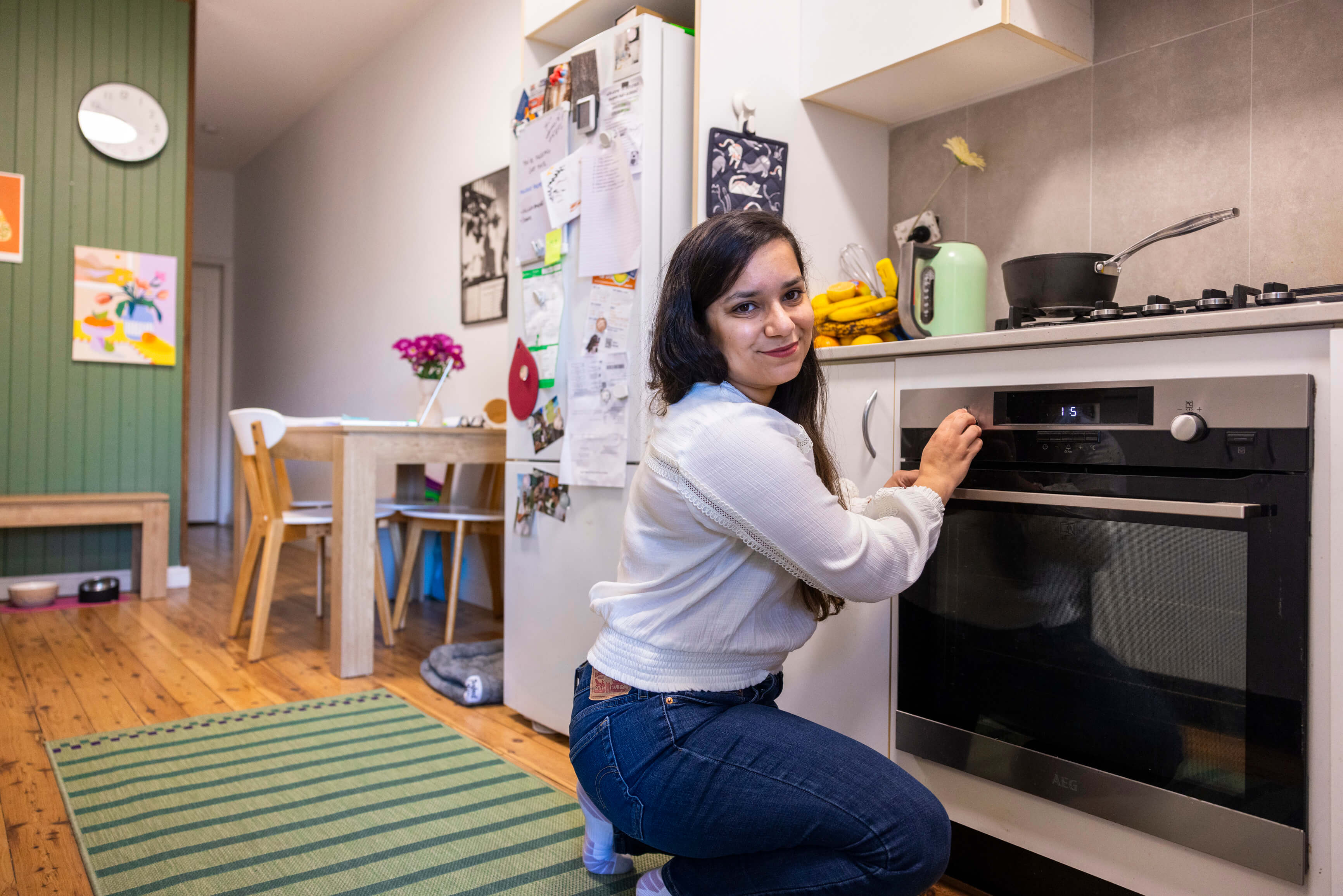
- Switch off appliances when not in use. Appliances like chargers, TVs, gaming consoles and microwaves use power even when they’re not going. This could add hundreds of dollars to your power bill every year. Always switch them off or unplug them at the wall.
- Run your dishwashers and washing machines when they're full. Wait until they’re full and use cold water and eco mode when possible. Run them when energy is cheapest.
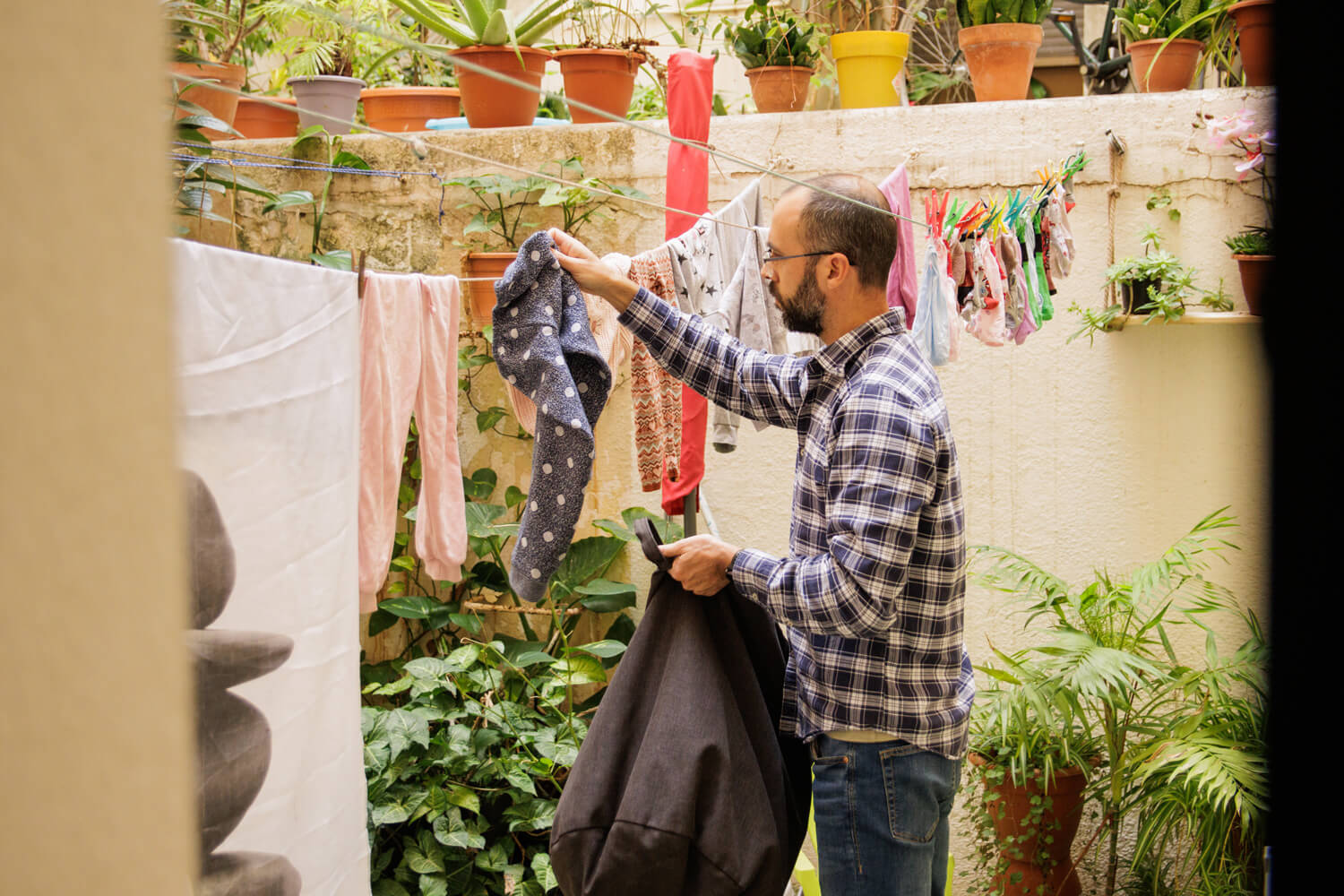
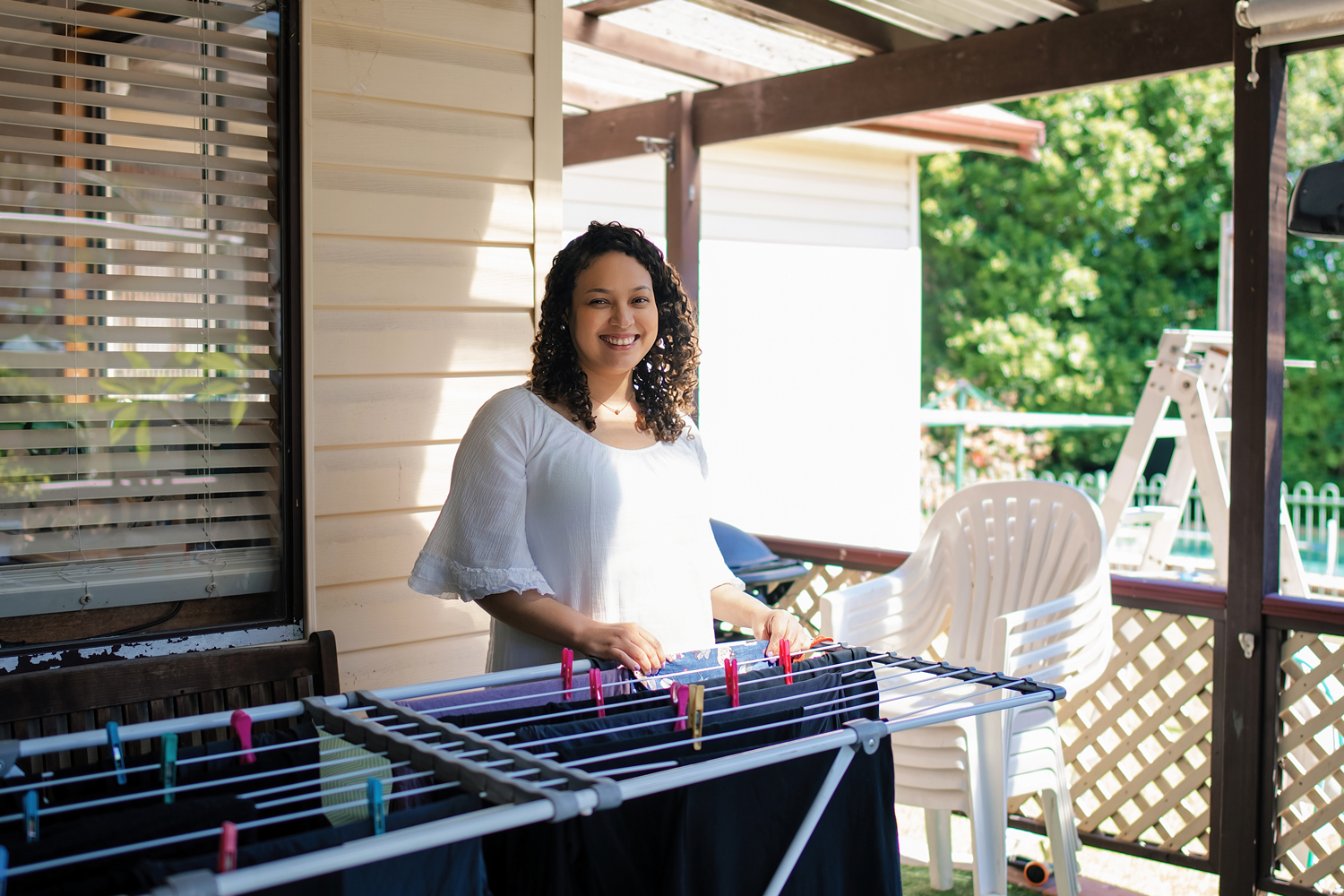
- Dry your clothes on the line. Use a clothesline or clotheshorse instead of an inefficient dryer and you could save over $120 a year.
- Set your fridge and freezer at the right temperature. Fridges should be between 3-4 degrees, freezers should be between -15 to -18 degrees. Don’t forget to clean your seals regularly too.
- Always use lids on pots. This speeds up the cooking process so your stove or hotplate uses less energy.
- Buy a power board. If you plug appliances like your TV, computer and phone charger into a power board, it makes it easy to switch them off all at once. Energy efficient models even have timers or an on/off switch that shuts down all connected devices.
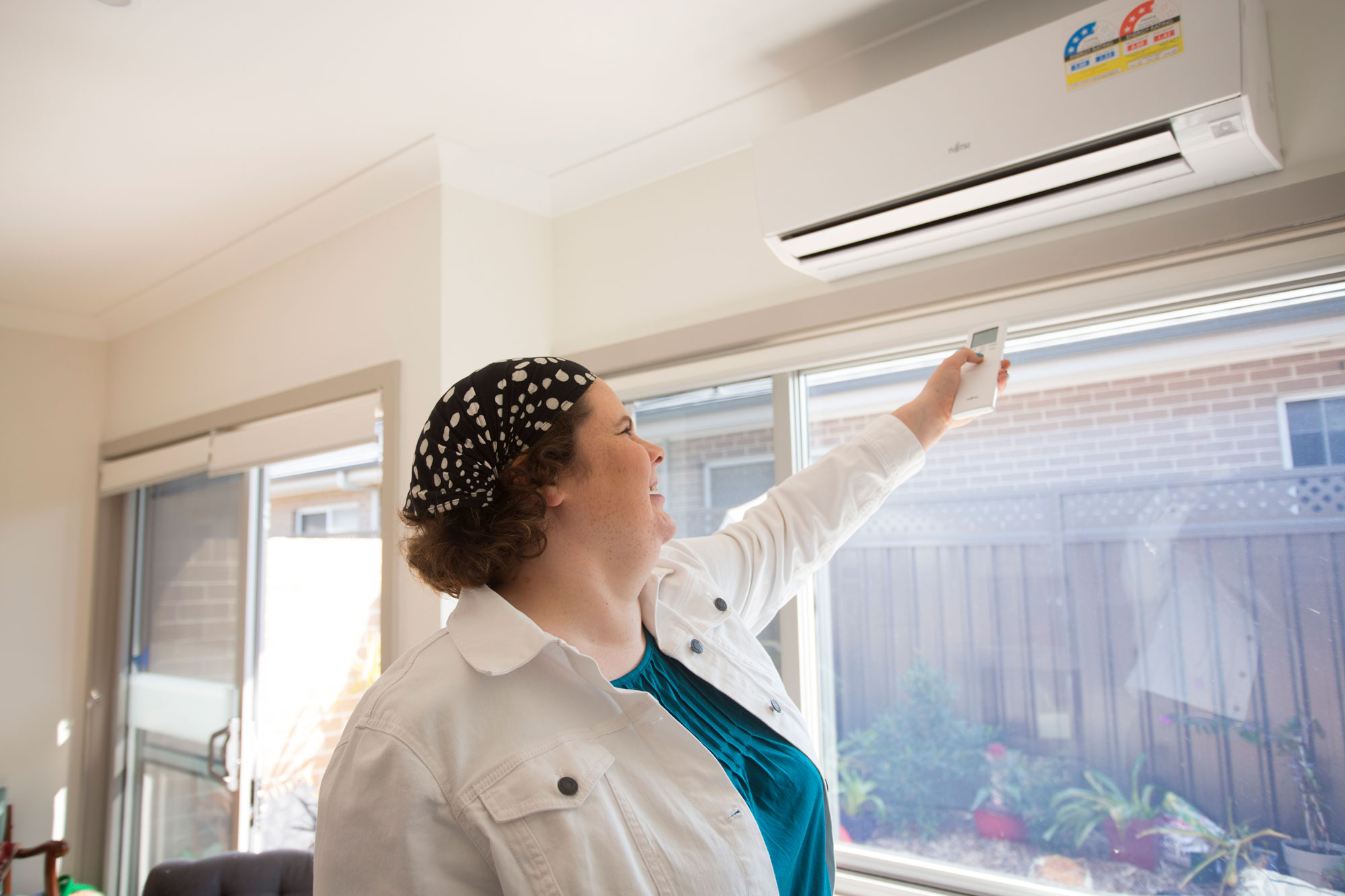
- Set your heater or air conditioner to the right temperature:
- In winter aim to keep the temperature between 18-21°C.
- In summer aim to keep the temperature between 23-26°C.
- Don’t overheat or overcool. Every degree lower in winter and higher in summer can cut your heating and cooling bill by 10%!
- Use fans first. Fans use much less energy than air conditioners and only cost about 2 cents an hour to run.
- In summer set ceiling fans counterclockwise to cool the room.
- In winter set ceiling fans clockwise at low speed to push warm air down.
- Set a timer. Put your heater or air conditioner on a timer or use the automatic switch-off setting at a certain temperature.
- Clean your air-conditioner. Regularly wipe and clean your air conditioner’s filters to help it run more efficiently and improve airflow and air quality.
- Only heat or cool the rooms you need. Shut vents and doors to unused rooms so you’re only heating or cooling the areas you’re using to save money.
- Be smart about how you use your curtains and blinds. Let the warm sun in during winter and block out the heat in summer.
- Seal gaps in doors and window. Seal gaps in windows or doors using a cheap sealant or weather strips.
- Block draughts under doors. Buy a door snake to put under your doors. You can also use an old, rolled up towel for free.
- Take shorter showers. Aim to keep showers at 4 minutes to reduce your hot water use.
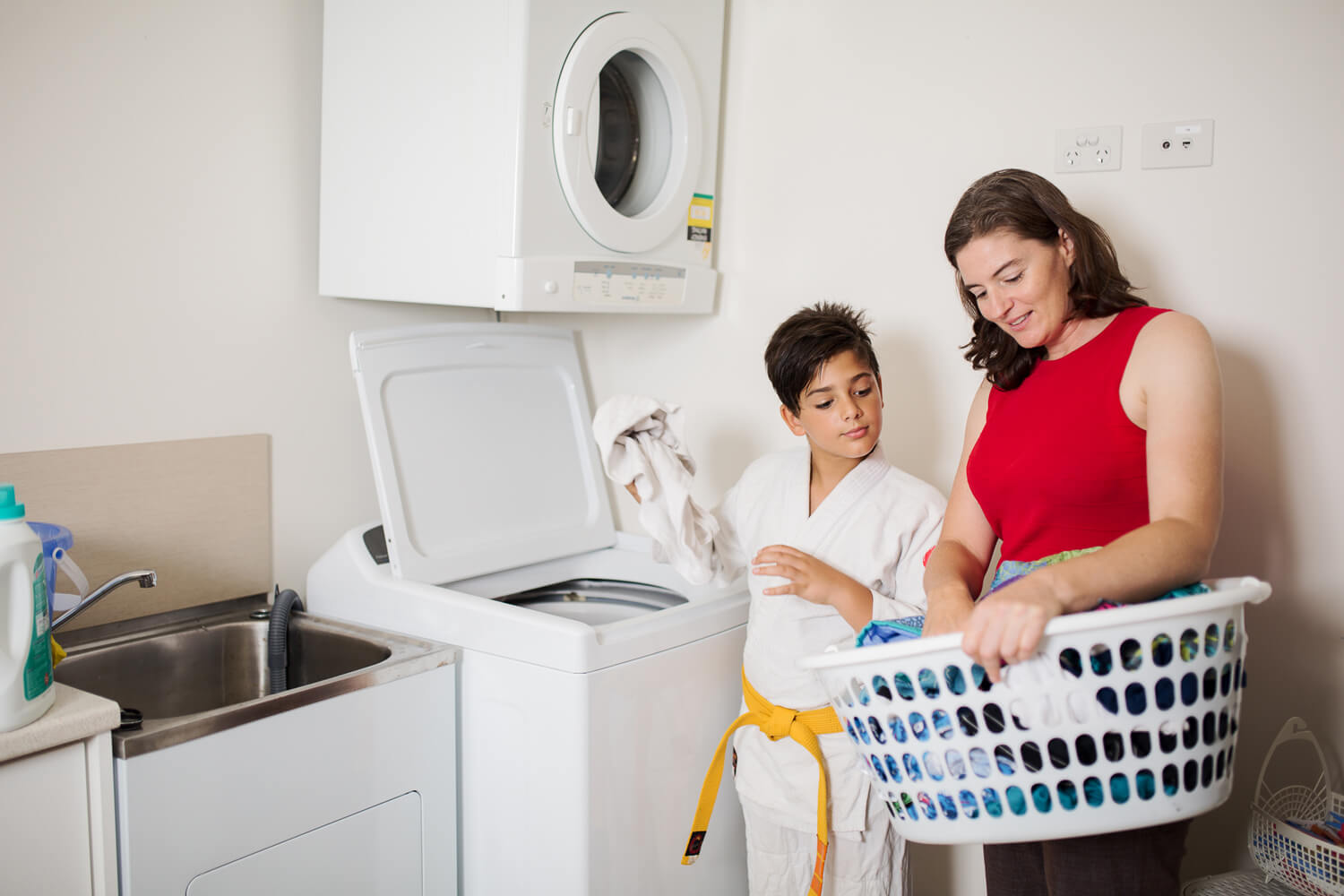
- Use cold water to wash your clothes. Cold washes can use 80% less energy than hot washes.
- Install an efficient shower head. This cheap upgrade could save up to $93 per person per year on hot water.
- Fix dripping taps. This will avoid wasting any hot water.
- Turn off lights when you leave a room.
- Make the most of the natural light. Open curtains and blind to let the daylight in.
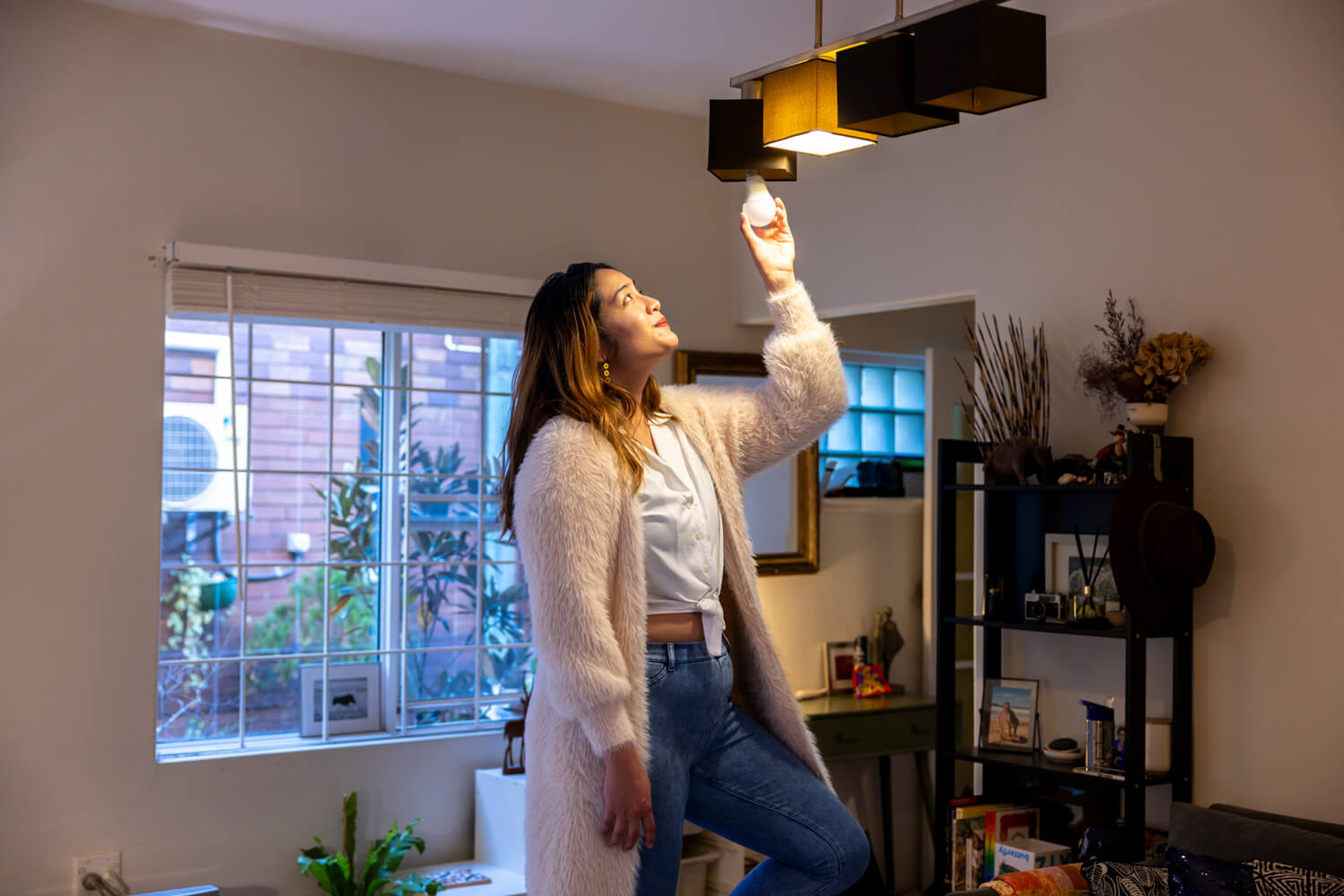
- Switch to LED lightbulbs. Start with the rooms you use most, like the kitchen and living room. LED lights use 75% less energy and last up to 10 times longer.
Start small and save
Pick 3 tips you can do today and build from there. You’ll save money, reduce your energy use and make your home or business more comfortable.
Download these energy saving tips in your language
Tips to use less energy at home and save money
- English (PDF, 298.7 KB)
- العربية / Arabic (PDF, 269.6 KB)
- বাংলা / Bengali (PDF, 288.9 KB)
- 简体中文 / Chinese (Simplified) (PDF, 386.2 KB)
- 繁體中文 / Chinese (Traditional) (PDF, 448.7 KB)
- ελληνικά / Greek (PDF, 288.5 KB)
- हिंदी / Hindi (PDF, 278.5 KB)
- Bahasa Indonesia / Indonesian (PDF, 266.2 KB)
- Italiano / Italian (PDF, 269.9 KB)
- 한국어 / Korean (PDF, 316.4 KB)
- Македонски / Macedonian(PDF, 288.7 KB)
- नेपाली / Nepali (PDF, 273.1 KB)
- فارسی / Persian (Farsi) (PDF, 267.9 KB)
- Português / Portuguese (PDF, 277.6 KB)
- ਪੰਜਾਬੀ / Punjabi (PDF, 278.3 KB)
- Српски / Serbian (PDF, 284.9 KB)
- Español / Spanish (PDF, 272.1 KB)
- Türkçe / Turkish (PDF, 284.5 KB)
- اردو / Urdu (PDF, 324.2 KB)
- Tiếng Việt / Vietnamese (PDF, 295.6 KB)