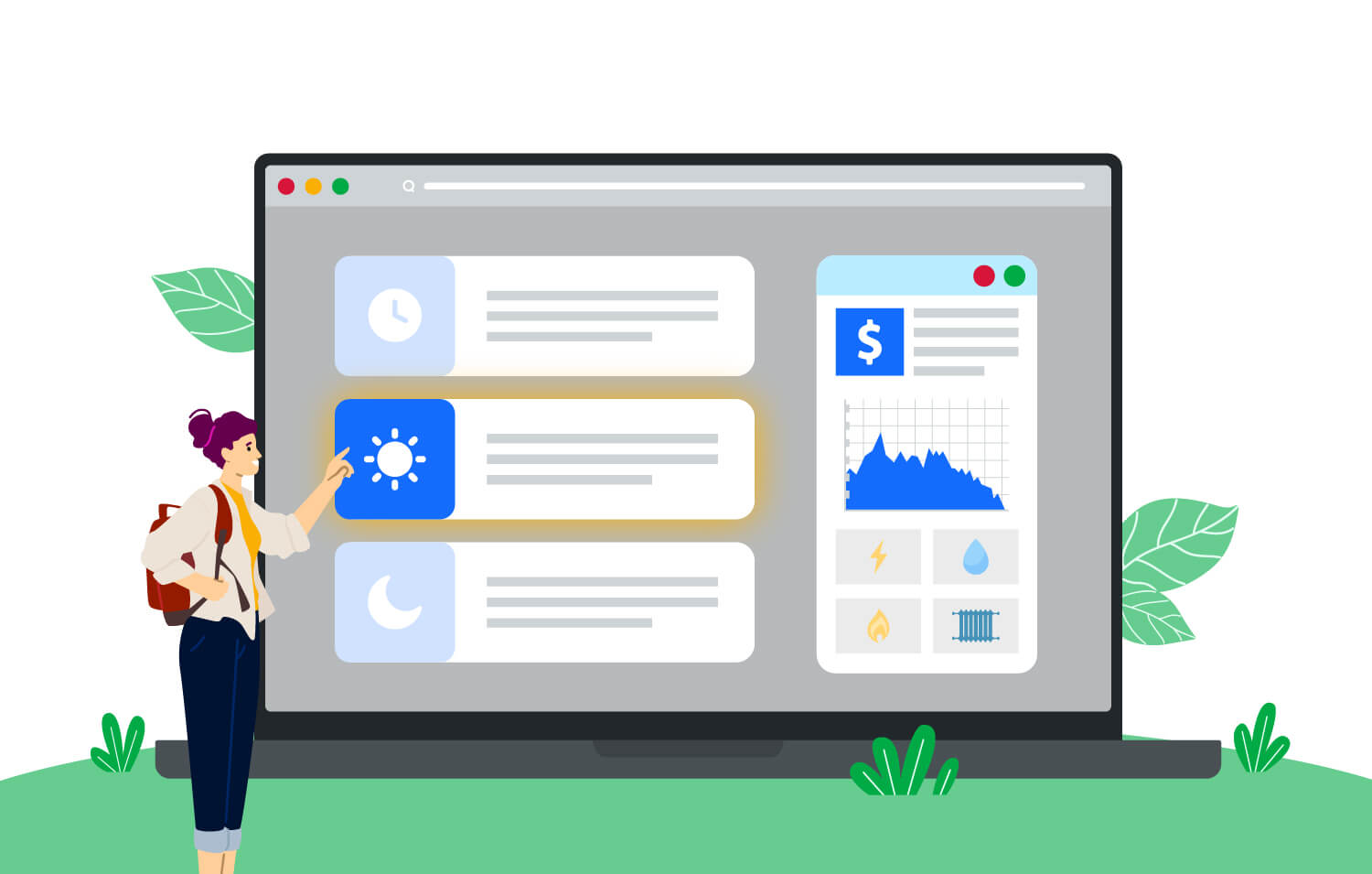
What is an energy tariff
Your energy tariff is the rate you pay for your energy. There are many different types of tariffs. Your tariff will depend on:
- the type of energy plan you’re on
- the time of day you’re using energy
- how much energy you use.
Check your energy bill or contract to see what tariff you’re on. Understanding your tariff can help you use energy wisely, save money and avoid the shock of a large bill.
Retail tariffs are set by energy retailers and regulated by the national energy retail law.
Here’s a breakdown of the most common types of tariffs.
Flat rate or single rate tariff
A flat rate tariff means you’ll always pay the same amount for your energy, no matter what time of day or year it is. This type of tariff used to be more common before we had smart meters.

Advantages
- Your energy costs are consistent and predictable.
- This may work well for you if you use appliances consistently throughout the day and night.
Time of use tariff

A time of use tariff means the cost of your electricity depends on when you use it. If you have a smart meter this is likely to be your default tariff.
Time of use tariffs may include these different time periods:
- Peak: The energy price is higher because many people are using energy, like in the late afternoon and evening.
- Off peak: The energy price is lower because fewer people are using energy or there’s a lot of solar energy being produced, like in the middle of the day or overnight.
- Shoulder (only for some time of use tariffs): The energy price is likely to be somewhere between the peak and off-peak rate. This could be on either side of a peak tariff or on a weekend.
Advantages
You can reduce costs by using energy during off peak periods. For example, running high-energy appliances like the dishwasher or washing machine at night or during the middle of the day.
Find out how to maximise a time of use tariff
Demand tariff
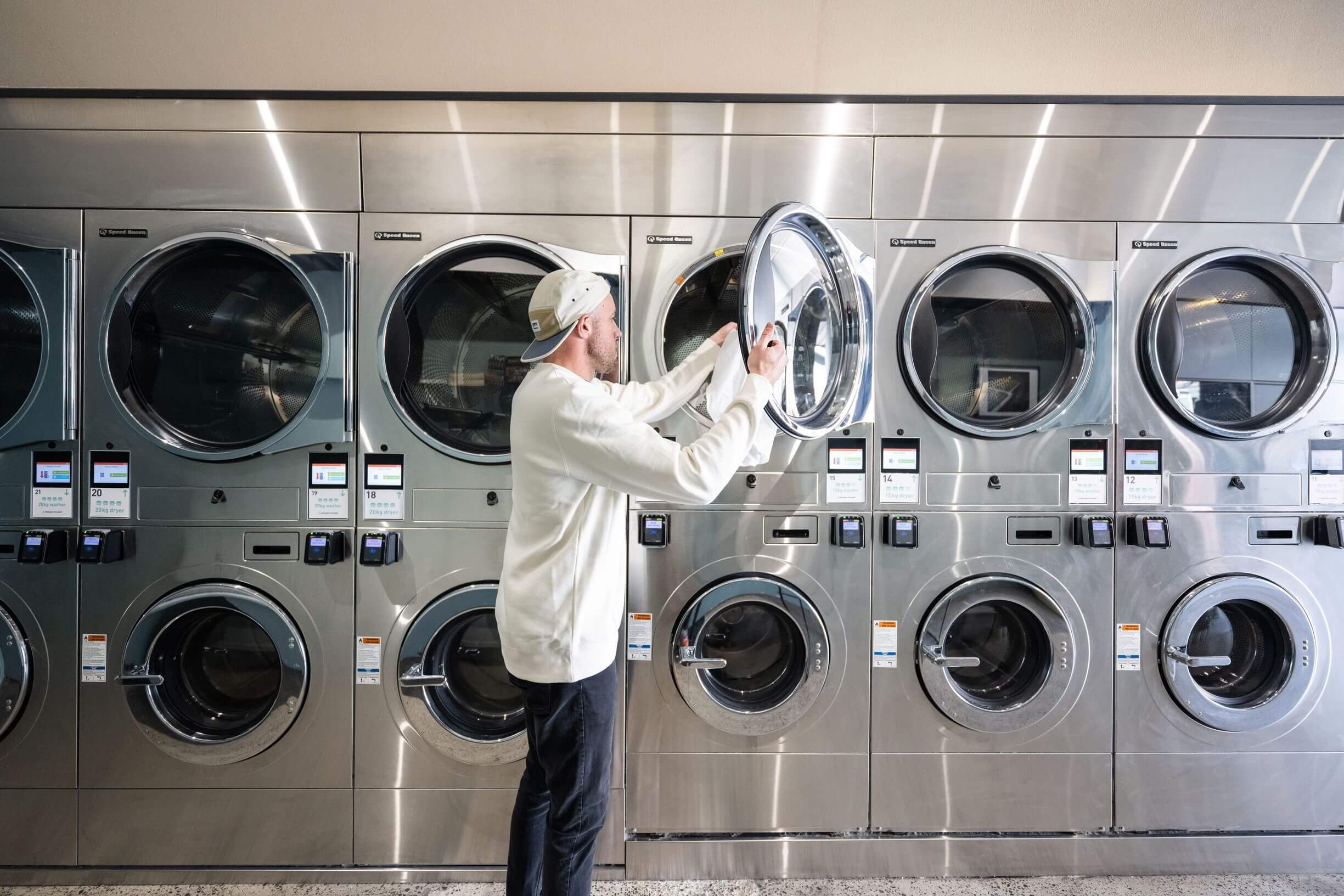
If you have a smart meter, your energy retailer may choose to add a demand or capacity tariff to your bill. This is common in small business plans and some residential plans.
This charge is based on the highest amount of electricity used at a point in time, typically during peak periods, like early evening, when you’re using multiple appliances.
This charge covers the cost of maintaining the electricity network when demand is high. It encourages you to spread out your energy use to reduce strain on the electricity grid.
Advantages
- You can save money by spreading out your energy use to avoid high demand charges. For example, running the washing machine during the day, using the oven in the evening and the dishwasher after you go to bed.
- You can also help reduce peak demand and prevent grid instability which can cause blackouts.
Block tariff
A block tariff means the charges are based on how much energy you use over time, either daily, monthly or quarterly. You pay a fixed rate for the first block of energy you use, and a different rate for any energy you use beyond that. These are more common for business plans and gas plans.
Advantages
This type of tariff works well for people who know exactly how much energy they use so they can take advance of fixed rates.
Controlled load tariff
A controlled load tariff only applies to homes or businesses that have high-energy appliances and devices with their own separate meters. They are common for electric hot water systems, pool pumps, underfloor heating or irrigation pumps. These devices use a lot of energy but don’t need to be running all the time. This means you can schedule them to run during off peak periods.
Advantages
You can save money by running your high-energy appliances during cheaper off-peak times.
Solar feed-in tariff

A solar feed-in tariff is for households and businesses with solar panels. It’s also sometimes known as a buy-back rate.
This tariff means you get paid for sending your excess solar energy back into the electricity grid for other people to use. You’ll usually get a small credit on your bill for every kilowatt-hour (kWh) of solar energy you send back.
If you don’t have a battery to store energy, all extra electricity your solar panels produce is sent to the grid.
Frequently asked questions
Feed-in tariffs are based on the market value of electricity. This means the amount you get paid is usually much lower than the price you pay to buy electricity. This is because the cost of buying electricity includes extra charges for things like maintaining poles and wires and customer administration.
For this reason, it makes financial sense to use your own energy in your own home rather than export it to the grid. You can also install a battery to store your energy so you can use it when the sun isn’t shining.
When you install solar, your electricity retailer may automatically change your pricing plan. Your new plan may not be the best one for you.
To get the best value from your solar, compare the different electricity plans and feed-in tariffs available in your area. The best plan depends on all the different rates—fixed and variable charges—as well as feed-in tariffs.
Yes. If you’re renting a house with solar, the solar feed-in tariff should be credited to your bill. If you live in an apartment or townhouse, you won’t automatically receive the credits. You’ll need to have your own separate electricity meter to measure your solar exports for the credits to be applied directly to your bill.
If you don’t think you’re on the best tariff for your home or business, talk to your retailer about switching. You could save hundreds of dollars a year.
Check you're getting the best deal:
- Check IPart’s dashboard to see how your solar feed-in tariff compares to NSW benchmarks
- Compare energy plans at Energy Made Easy to ensure you’re getting the best deal on your solar feed-in tariff.
Next article

Learn more about the different types of meters and how meter reading works.
Explore more topics on your energy bill and costs
An introduction to your energy bill.