Ready for a smarter, cleaner way to power your home or business? Go electric to save money, help the environment and enjoy a healthier, more comfortable space.
Households and businesses like yours are making the switch to electric. Find out how you can join them.
Understanding electrification
Electrification means replacing gas-powered appliances with electric ones. Instead of using gas for heating, hot water and cooking, you’ll use electricity.
For most people electrification is a journey. You don't need to do it all now – start when you’re ready, save as you go.
Why go electric
There’s 4 main benefits to going electric.

1. Save money
Electric appliances generally cost less to run and maintain than gas. If you install solar panels and a battery, you can power them for free with your own energy.
Save up to



2. Cut your environmental impact
Gas appliances produce carbon emissions that contribute to climate change. Switch to electric, add solar and a battery, and cut your environmental impact.
Reduce your emissions by about
3. Make your home or business safer, healthier and more comfortable
Electric appliances are safer and better for your health than gas. They:
- improve indoor air quality
- prevent the risk of carbon monoxide poisoning
- are better for people with asthma or other respiratory illnesses
- can be safer to use, like induction cooktops which have no open flame
- keep you comfortable year-round, like reverse-cycle air conditioning for heating and cooling.
Did you know
Using gas in the home and workplace has been proven to be harmful to the health of adults and children, even causing deaths. Several NSW Local Government Area Councils have recently banned new gas connections from new homes because of these health concerns.
4. Future proof your home or business
Gas prices have risen a lot and will keep rising in the future. Switching to electric now helps you avoid these costs and sets you up for a smarter, more sustainable future.
Modern, electric appliances can future proof your home or business by making it:
- more energy efficient with lower running costs and potentially higher property value
- smart technology ready for better control, comfort and integration
- durable and low maintenance to save you time and money
- compliant with evolving standards to help businesses navigate energy efficiency regulations.
Your step-by-step guide to going electric
Going electric is easier than you think. You can upgrade your appliances one by one as they need replacing, or upgrade everything all at once if you’re renovating or building new.
We’ve recommended an order below to get you started, but choose what works best for you. Everyone’s journey can be different.
1. Do your research and make a plan
To decide which gas appliances you should upgrade, it’s important to consider both your current setup and future needs. Here’s how:
-
Look at your budget
Replacing appliances costs money, so you need to consider your available budget.
If you have the funds, you may choose to replace appliances right away. If not, you may want to wait until they’re old and need replacing, since appliances generally have a 10-year lifespan. This way you can spread out the cost of upgrading.
-
Think about what matters most
Your comfort and priorities can help you decide what to upgrade first. For example, if you:
- live in a warmer area, you may want to upgrade your cooling system first
- enjoy hot baths in winter, you may want to swap your gas hot water system for electric
- love to cook, you might prioritise an induction cooktop.
-
Make an upgrade plan
Now you’ve looked at budget and priorities, make a plan to upgrade your appliances. We’ve suggested an approach below, but the order you do this will depend on your budget and priorities.
You should also check what incentives or rebates are available to you to help cover upfront costs.
Tip
If you run a small business, it’s a good idea to work with a licensed electrician or energy advisor. They can help you make an electrification plan that works best for your business. Visit the Energy Efficiency Council website for a list of providers.
2. Find a tradesperson
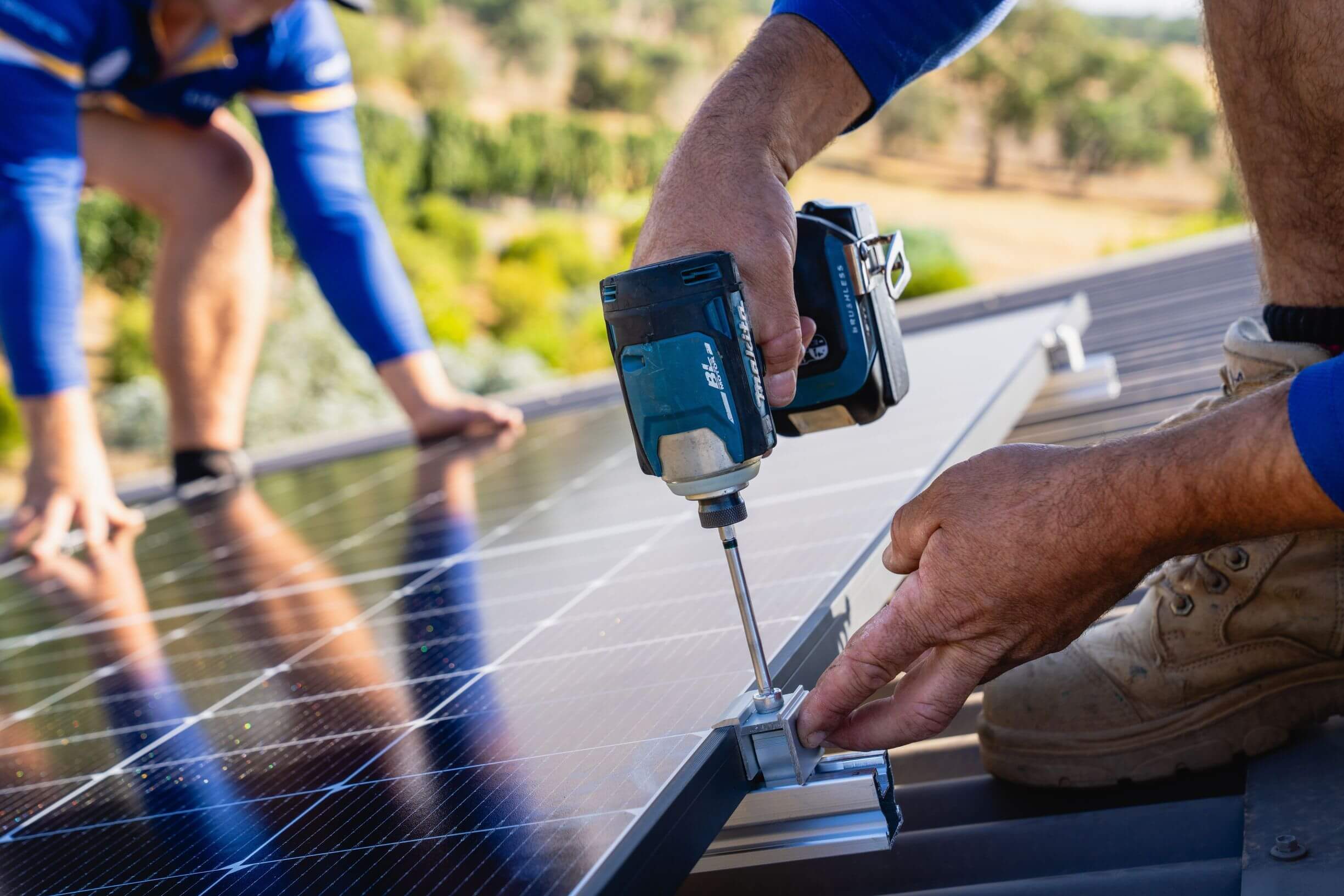
Find a licenced electrician to install your electric appliances and a plumber to disconnect the gas.
Look online and read reviews and ask friends and family for recommendations. Make sure you get several quotes so you can compare options.
Check with your electrician if your home requires further electrical capacity or wiring upgrades before you begin your upgrades. If you’re in an apartment, you should also check with your building manager.
If you’re planning to renovate soon, see if your tradespeople can install your new electric appliances.
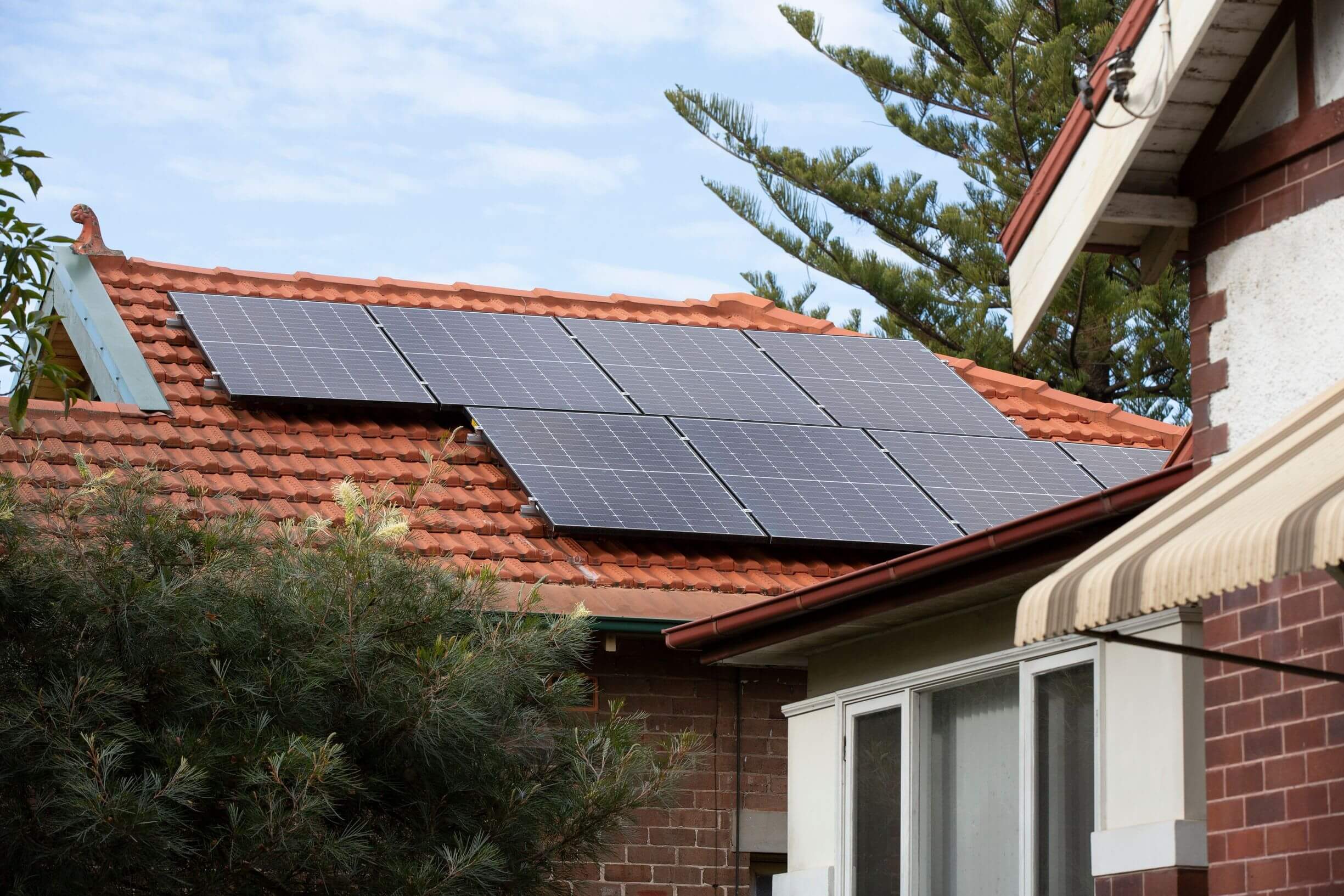
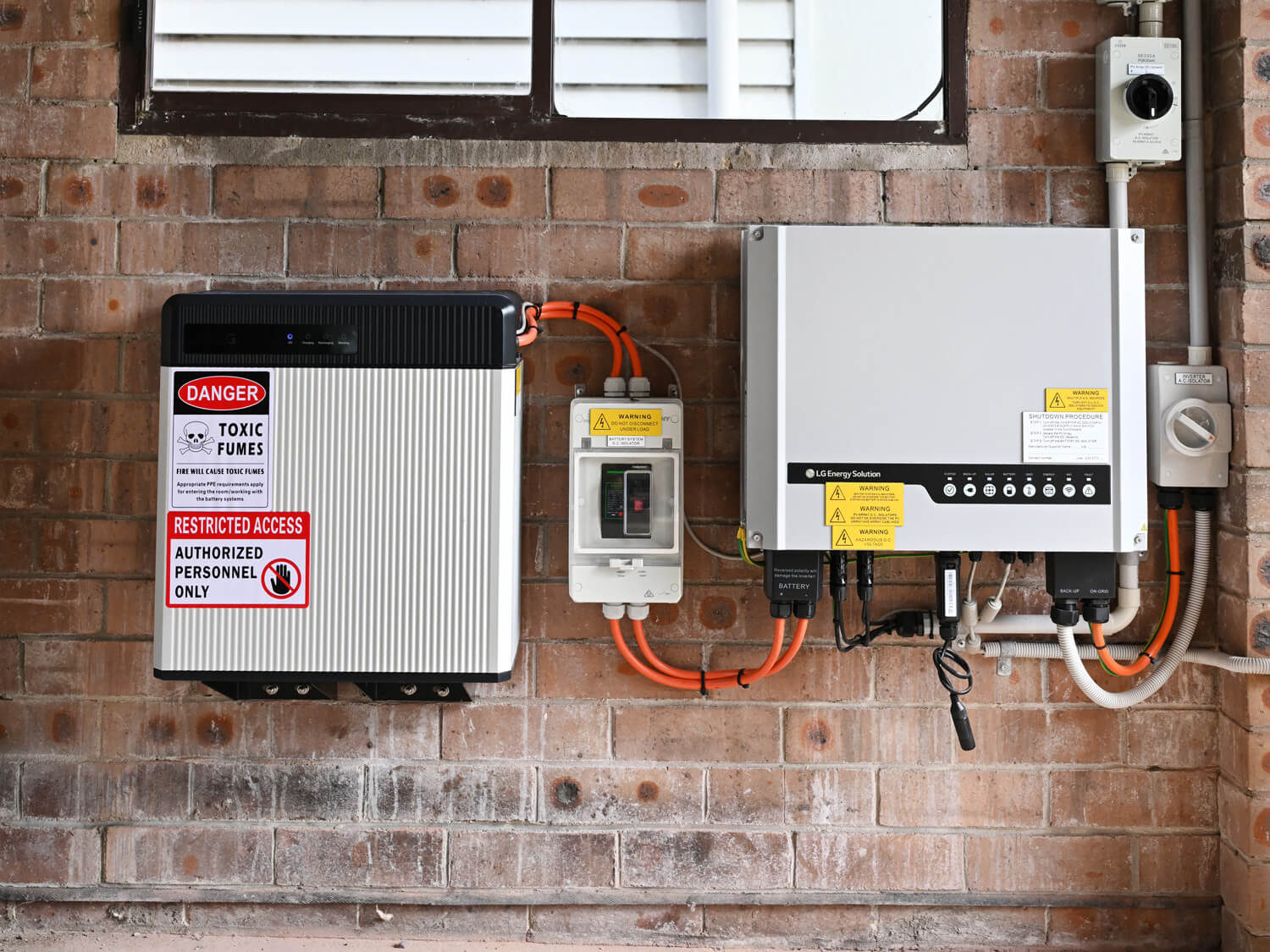
3. Install solar and a battery
You may want to start with solar. It can cost more than the other upgrades, but it’s one of the best ways to reduce your energy bills and could save you $1,400 a year.
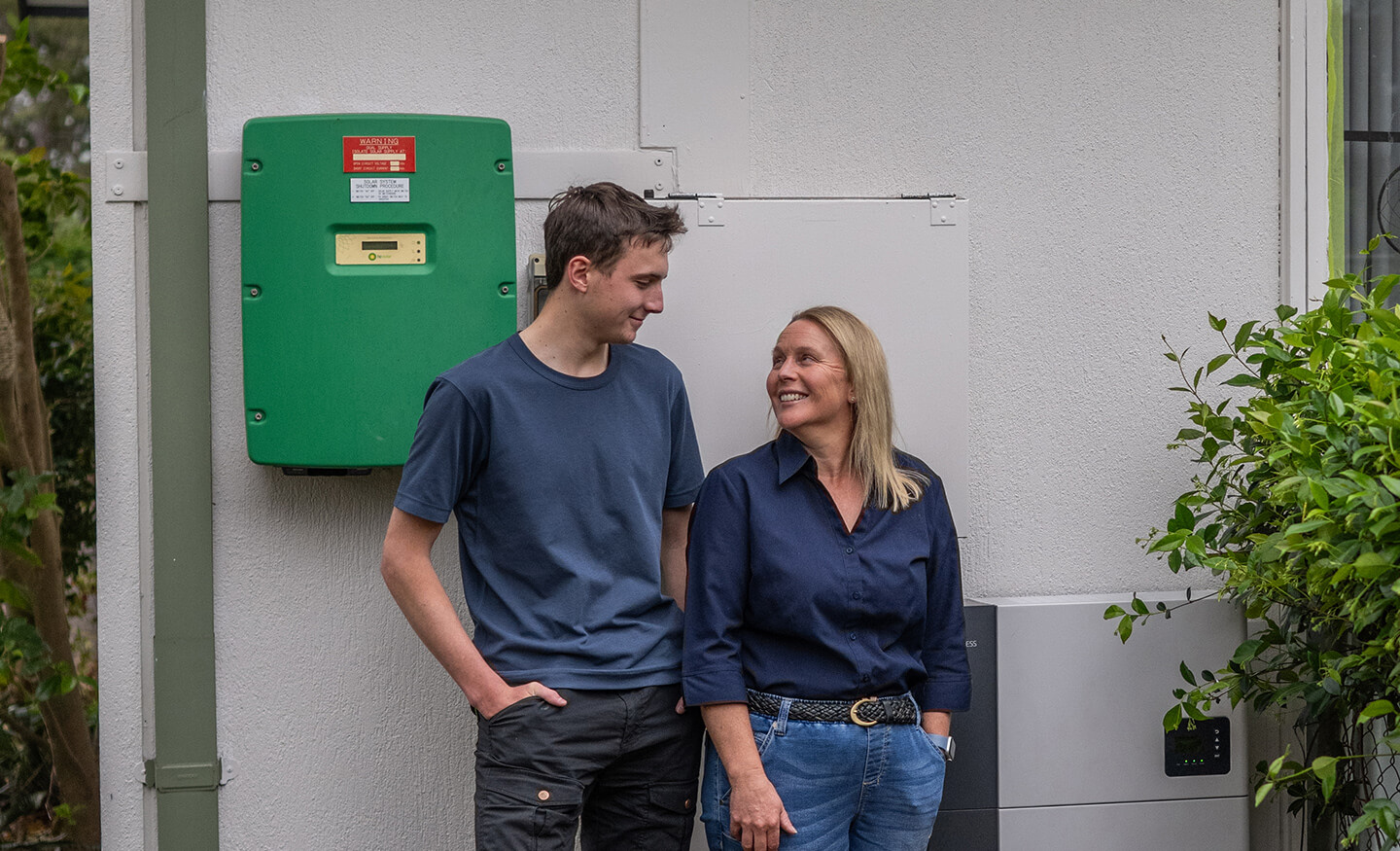
Once you install solar panels you can power your electric appliances for free using your own clean energy. If you add a battery, you can store your extra energy and use it when the sun isn’t shining.
4. Upgrade your hot water system
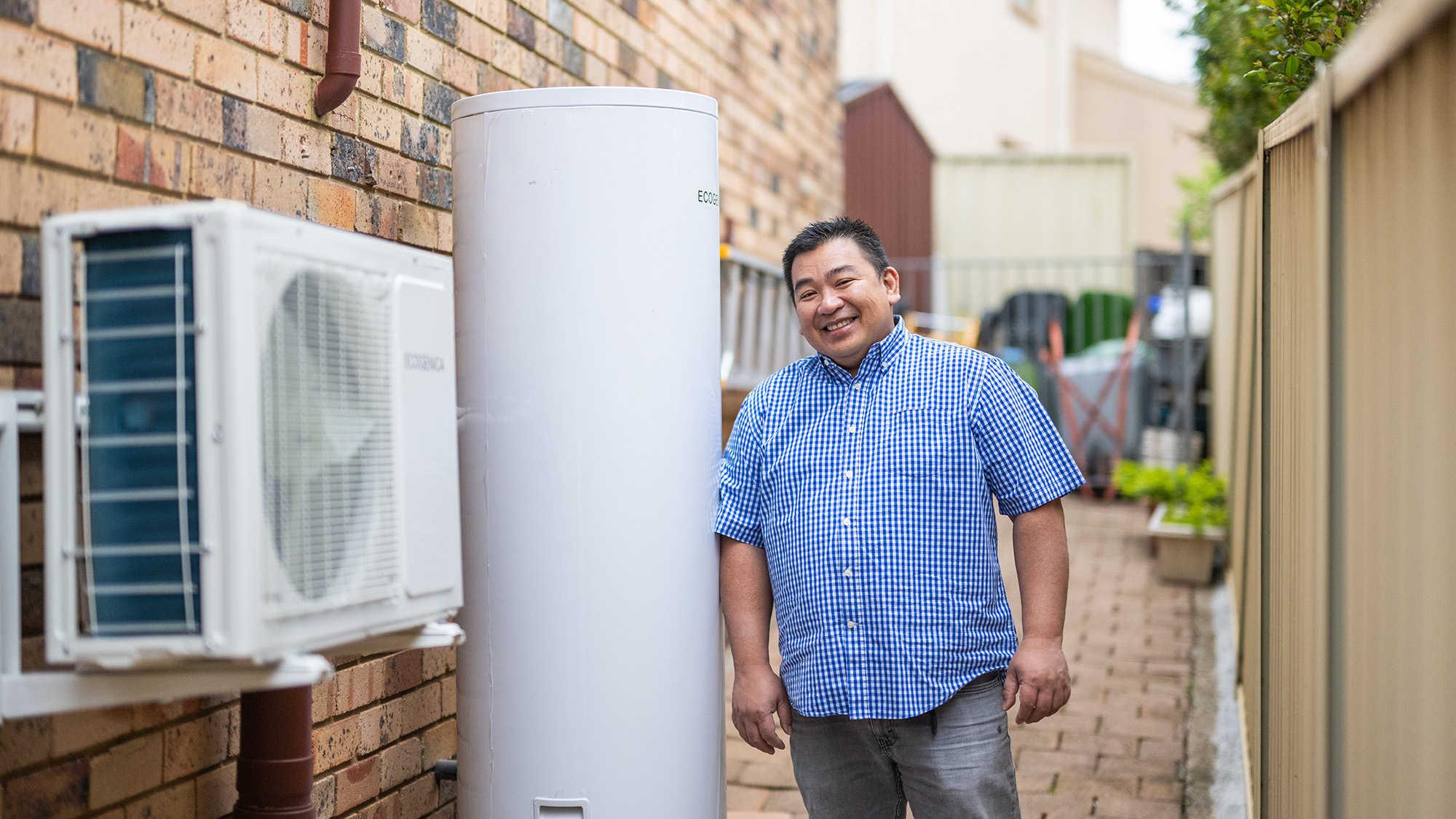
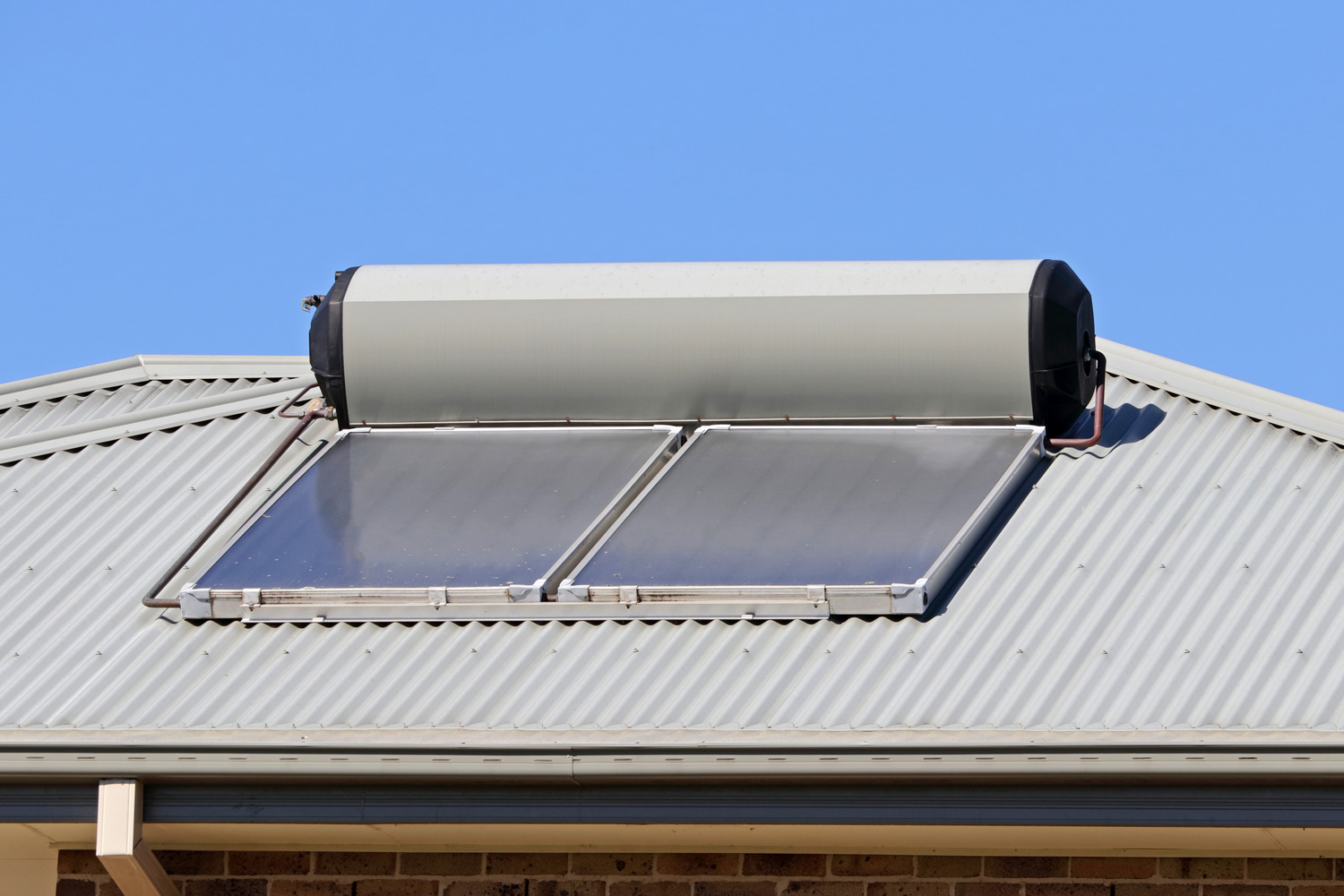
Hot water heating makes up around 29% of an average NSW energy bill. This means a hot water upgrade can result in big savings of up to $800 a year. Replace old gas hot water systems with an electric heat pump hot water system or solar hot water system, which use much less energy.
5. Upgrade your heating and cooling
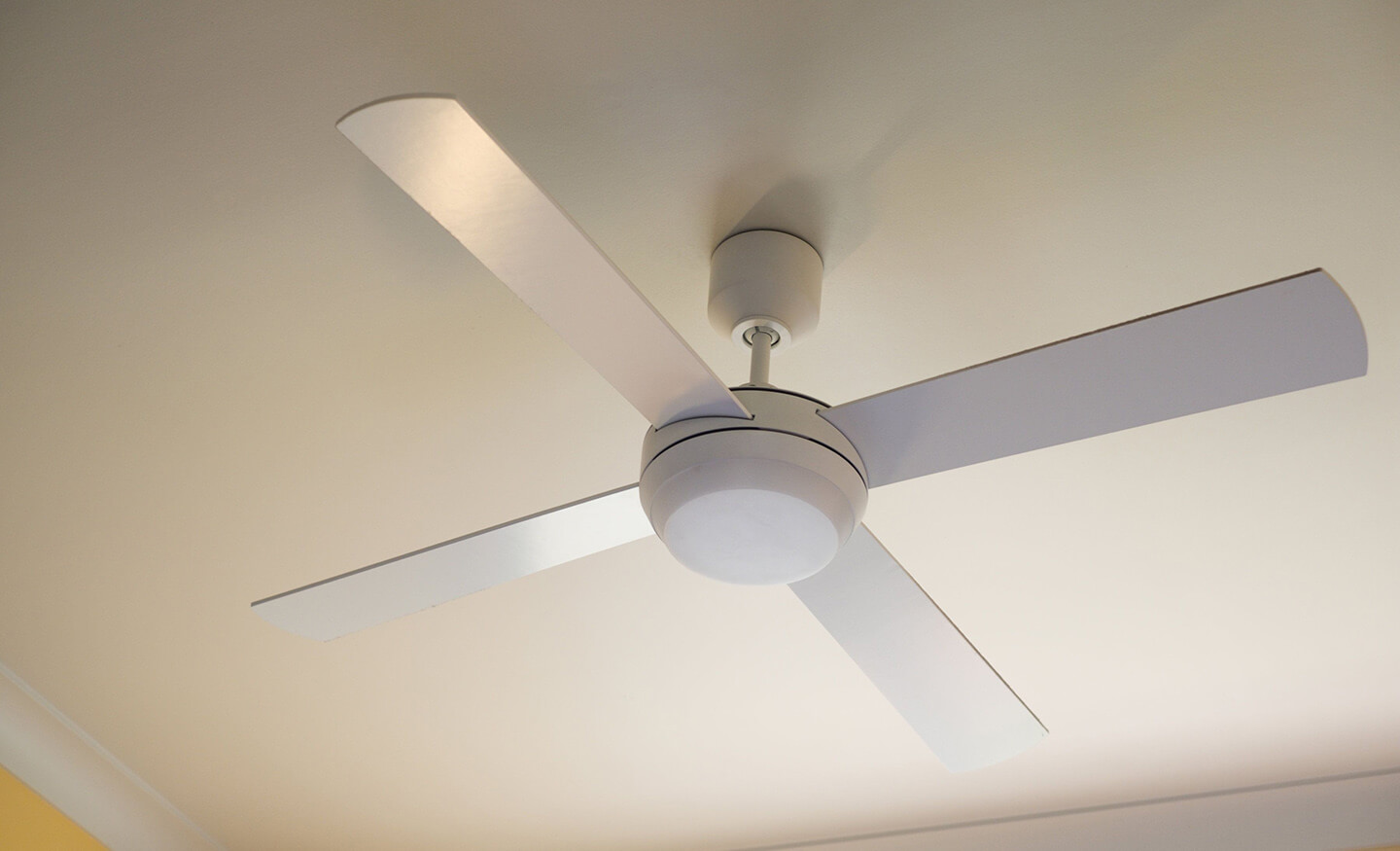
Heating and cooling account for around 27% of an average NSW energy bill. Switching from gas heaters to electric reverse-cycle air conditioners could save you hundreds of dollars a year. They are efficient, affordable and work for both heating and cooling.

6. Upgrade your oven and cooktop
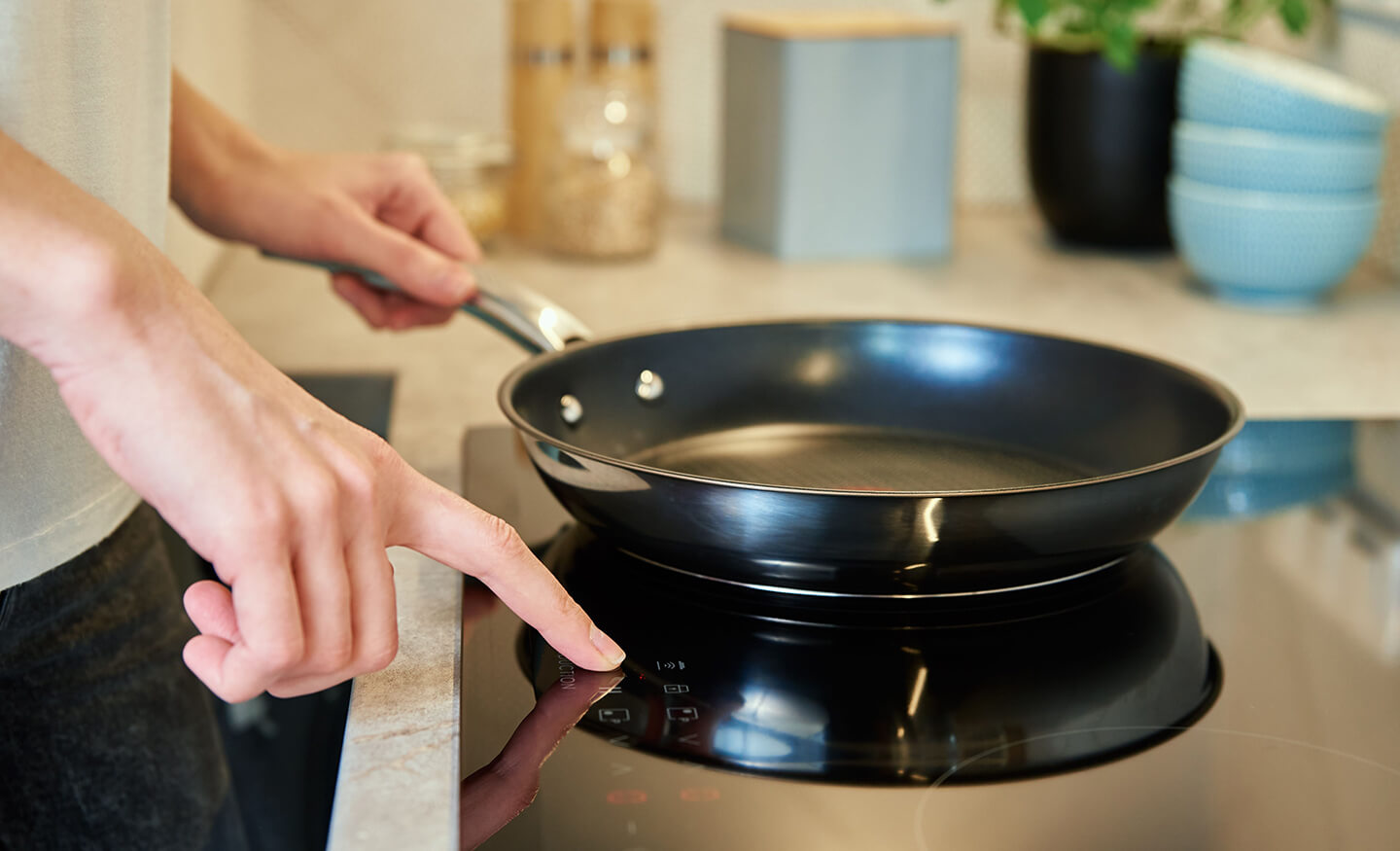
Swap gas stoves for modern electric or induction cooktops which heat faster, are safer, easier to clean and better for air quality.
7. Switch off gas
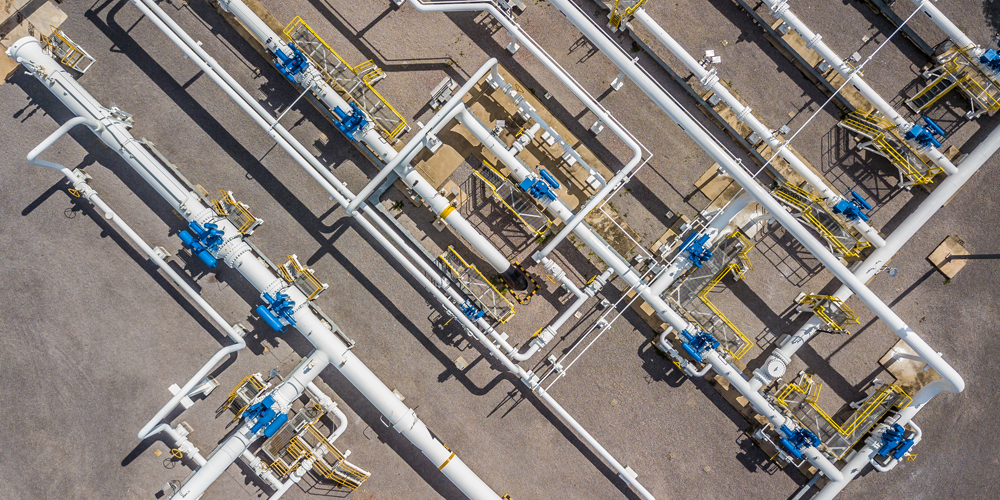
Once upgrades are complete, you can avoid ongoing gas network fees by either temporarily disconnecting or permanently abolishing your gas connection.
What to do as a renter
Even if you’re renting your home or small business, you can still take steps towards going electric.
- Talk to your property manager or landlord
Ask about replacing old gas appliances with electric ones when upgrades are needed. You can also ask about installing solar. These upgrades will not only help you as a renter, but they’ll also add value to the property. Learn how to talk to your landlord. - Use portable electric appliances
If you can’t install permanent upgrades, you can use portable induction cooktops and plug-in heaters to reduce your gas use.
More information
There are a lot of great resources to help you with your electrification journey.