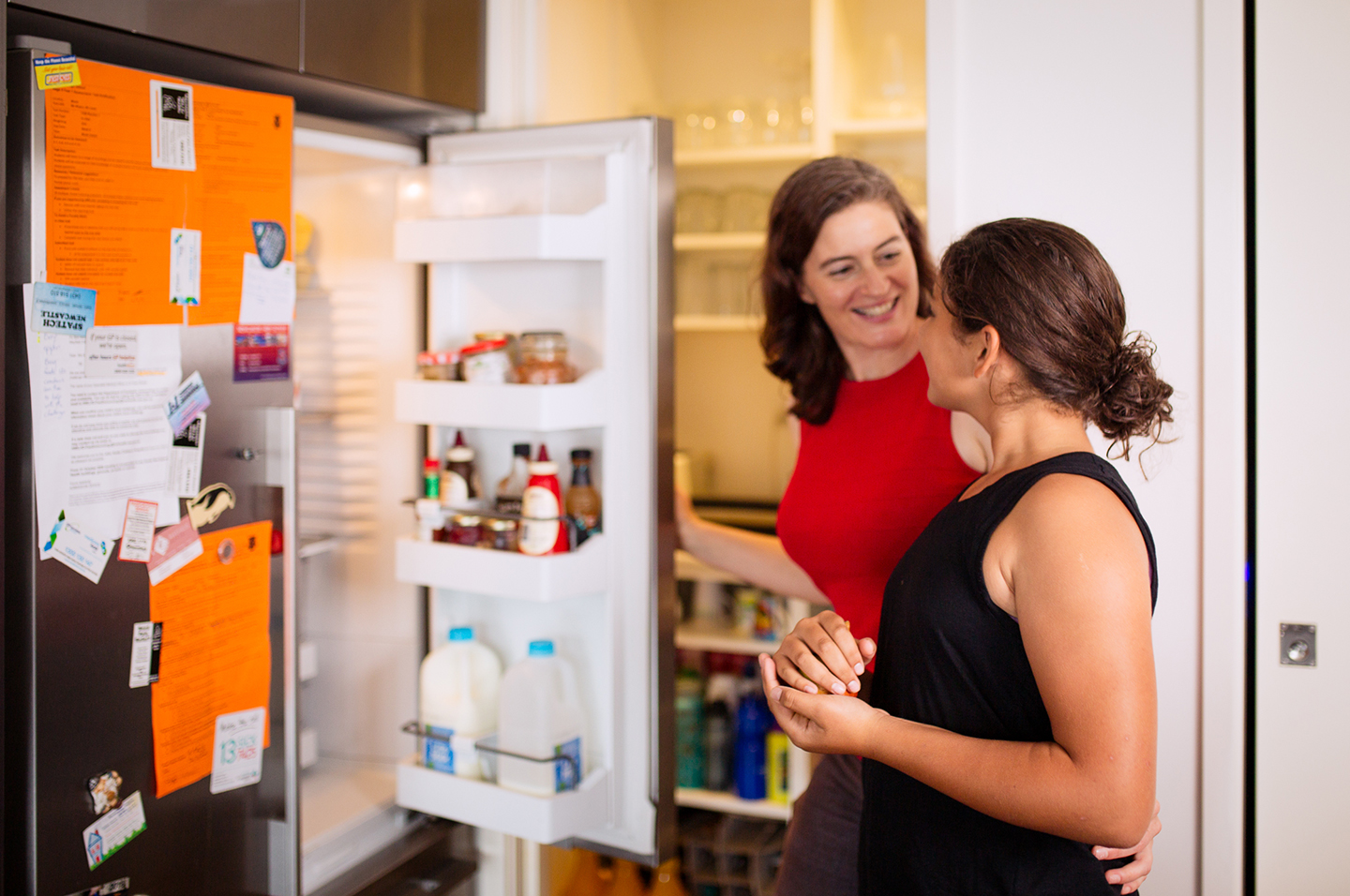
If you rent, you’ve still got the power to save energy. With a few easy changes, you can cut your bills, stay comfortable all year and live more sustainably, all from your rental home.
It helps to know where you’re using the most energy.
The average NSW home uses energy like this:




Do these actions every day
Now you know where most of your energy comes from, do these simple and free actions to reduce how much you use. These might seem like small things, but they make a big impact.
Make these part of your daily habits to save hundreds of dollars a year on your energy bill.
- Switch off unused appliances.
- Run dishwasher and washing machine when full.
- Aim for 4 minute showers.
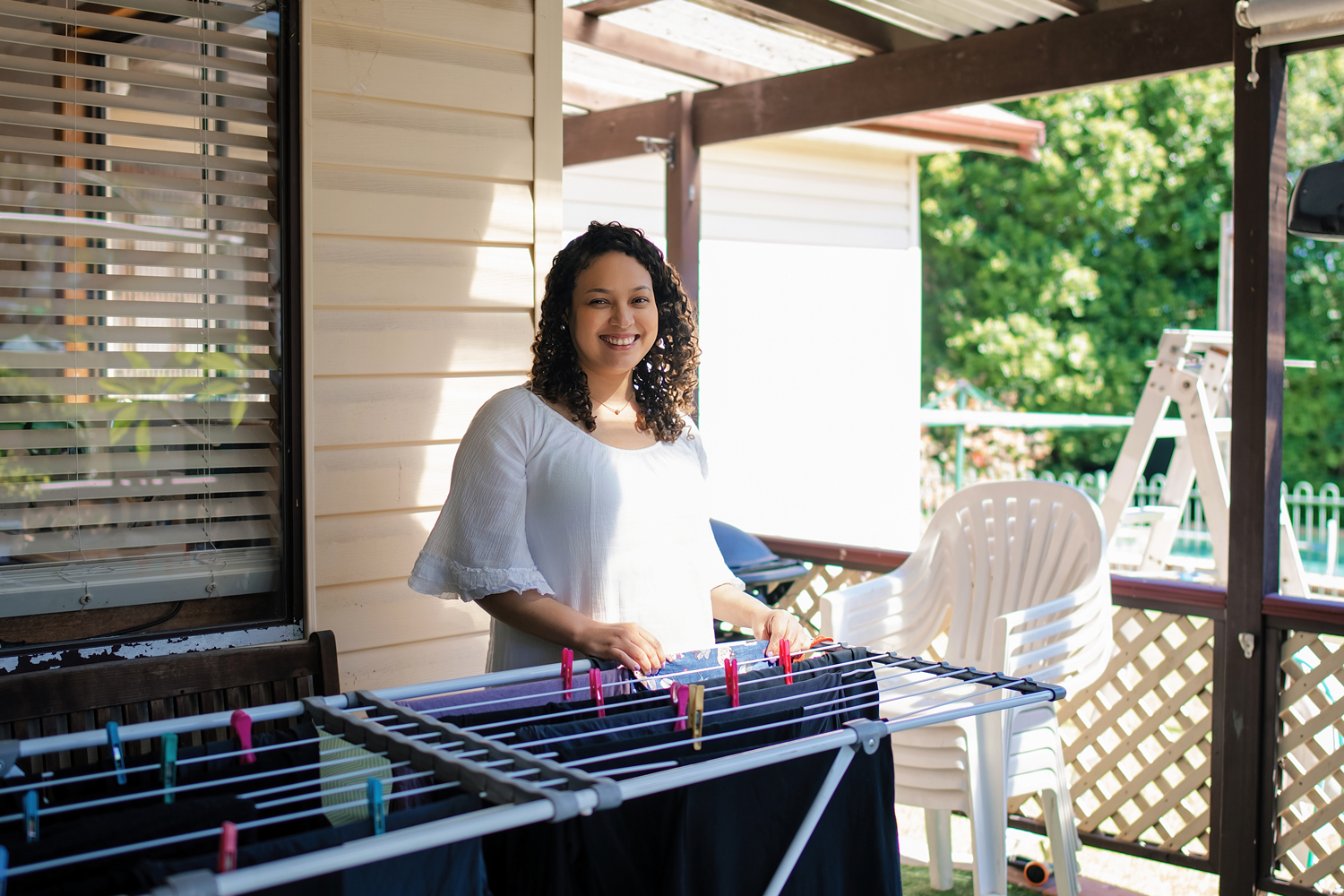
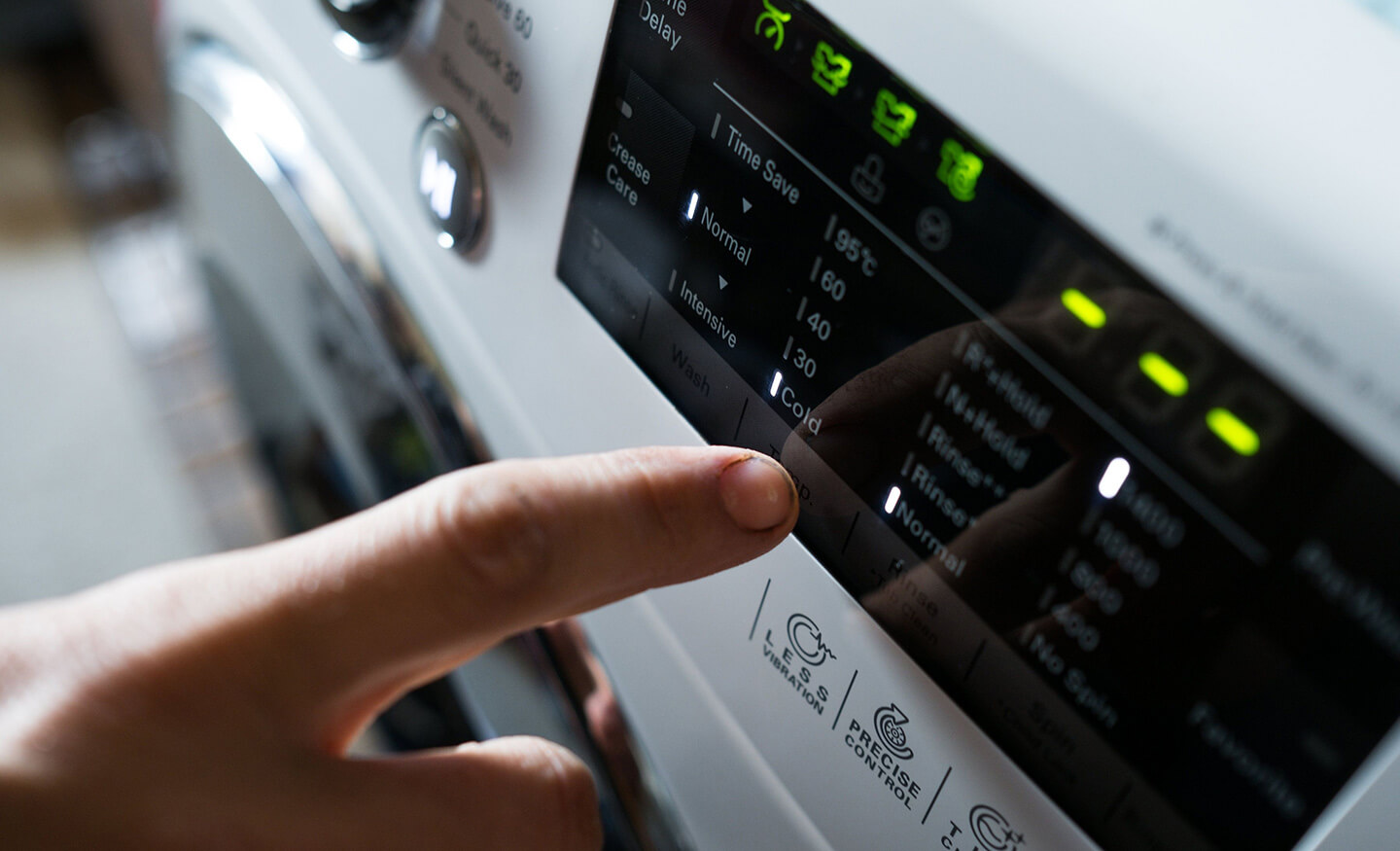
- Wash clothes in cold water and dry outside.
- Use appliances like washing machines when they’re cheapest to run (if you have a time of use tariff).
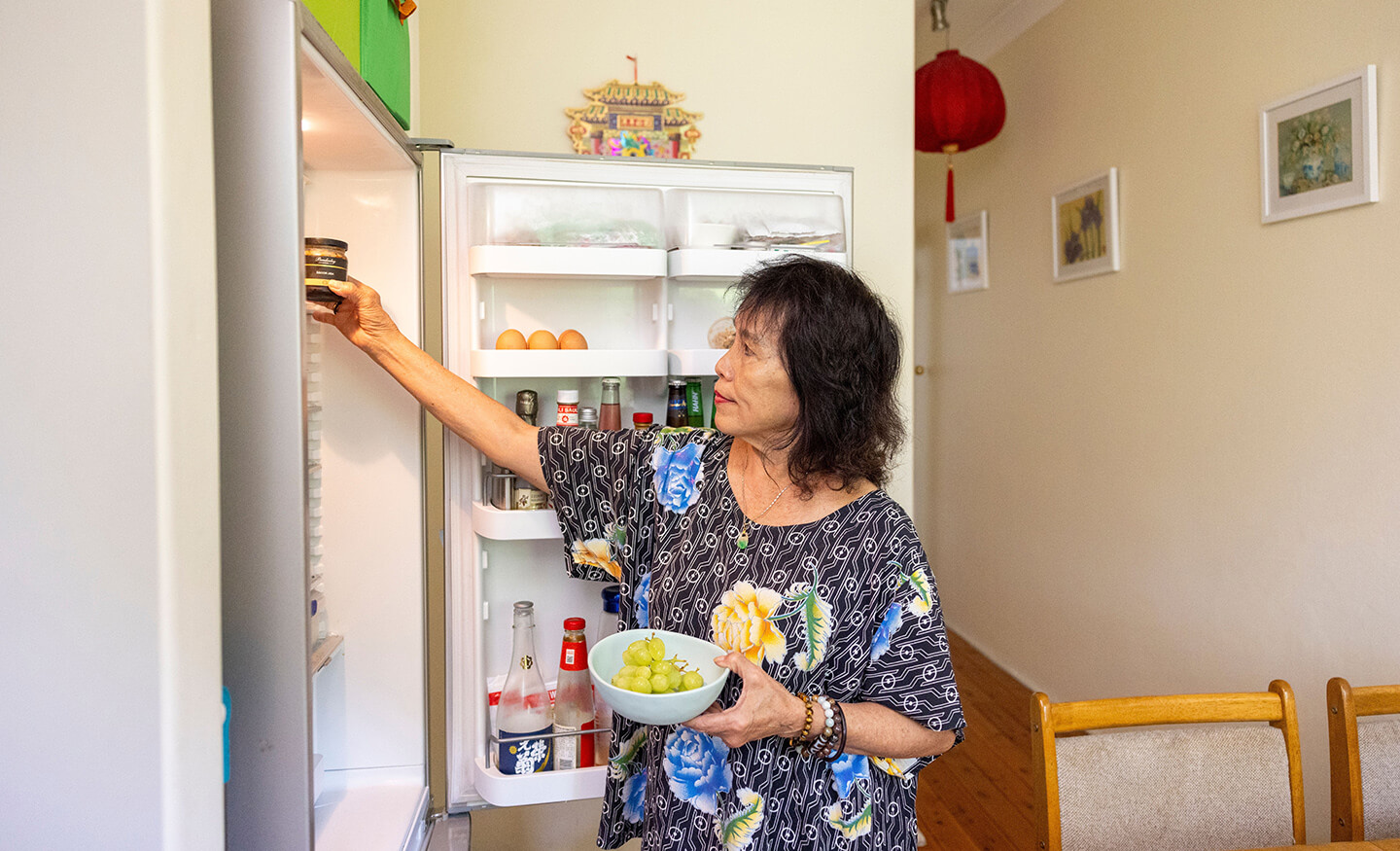
- Set fridges between 3°C -and 4°C and freezers between -15°C and -18°C.
- Use fans before air conditioning.
- In summer, set air conditioner between 23 and 26°C.
- In winter, set heating between 18 and 21°C.
Choose efficient appliances
Pick efficient options if you’re upgrading your own appliances.

Talk to your landlord about efficient upgrades
Ask your landlord or housing provider about making upgrades to improve energy efficiency and cut bills. Be clear, informed and solution-oriented. Highlight that these upgrades can increase property value, meet rental standards and reduce maintenance issues.
Appliances

Question to ask
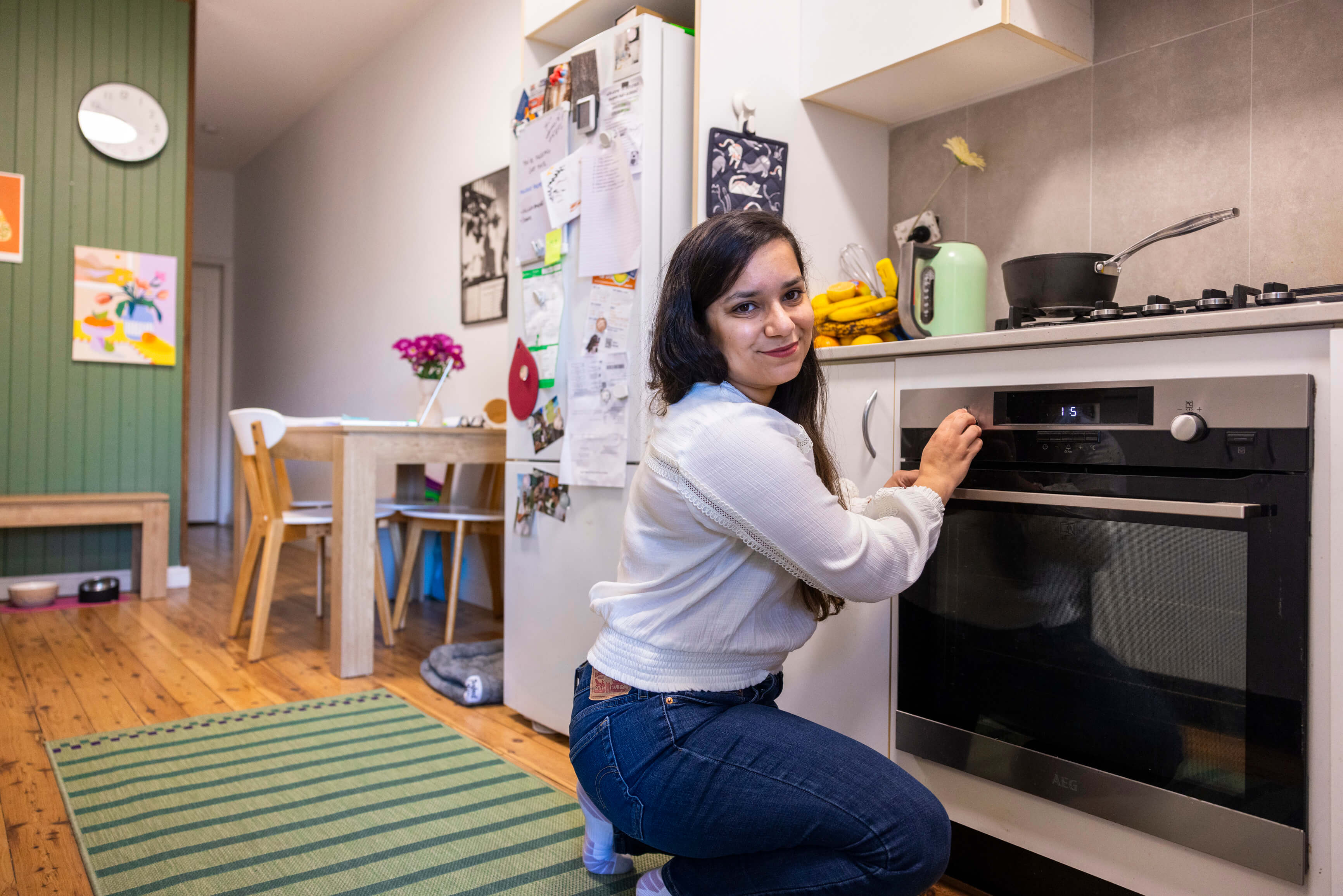
Would you consider replacing old appliances with energy-efficient models? (Ask when an appliance stops working or needs replacing.)

How you benefit
Appliances make up around 40% of an average NSW energy bill.
- Renters: You’ll save on energy bills and make your home more comfortable.
- Landlords: You’ll improve energy efficiency and increase the property’s appeal and resale value.
Heating and cooling

Question to ask
- Would you install ceiling fans to reduce heating and cooling costs?
- Would you seal gaps in windows and doors to prevent drafts? If not, can I do it?
- Would you add thermal curtains or window film to improve insulation? If not, can I do it?
- Would you replace gas heater or air conditioners with energy efficient models? (Ask this when it stops working or needs replacing.)
How you benefit
Heating and cooling make up around 29% of an average NSW energy bill.
- Renters: You’ll save on energy bills and make your home or business more comfortable all year round.
- Landlords: You’ll improve energy efficiency and increase the property’s appeal and resale value.
Hot water

Question to ask
- Can you fix any leaking taps? (if you have any)
- Landlords are required to fix leaking taps if they are charging renters a water bill
- Would you consider installing energy efficient showerheads and taps?
How you benefit
Efficient showerheads can save up to $93 per person, per year.
- Renters: You’ll save on both energy and water bills.
- Landlords: These simple and low-cost upgrades reduce the property’s energy and water costs and improve efficiencies.
Lighting
Question to ask
Can we switch to LED lighting throughout the home?
If you’re in a strata building: Can you speak to the building manager or strata committee about upgrading the lights in common areas?
How you benefit
Lighting makes up about 4% of an average NSW energy bill.
LEDs use up to 80% less energy and last much longer.
- Renters: You’ll save on lighting costs.
- Landlords: It’s an easy, affordable way to improve energy efficiency.
Get ahead. Let your landlord know about government support!
Encourage your landlord to check if they qualify for financial support to make energy efficient upgrades.
Renter energy efficiency checklist
Use this checklist when inspecting a rental property. Tick off what you find so you know if the property has energy efficiency features.
The more energy efficient features the home has, the cheaper it is to run.
Reverse-cycle air conditioner installed with eco mode or energy saving setting.
Ceiling fans in living areas or bedrooms.
Existing appliances have high energy star ratings (look for a sticker that has over 3 stars).
Heat pump or solar water heating system installed.
- LED lights installed throughout.
- Light fittings are modern and easy to replace.
- Good natural sunlight.
Windows and doors close tightly with no gaps.
Thick, dark curtains or blinds to block in sunlight sunlight in summer and keep it warm in winter.
- Ceiling insulation installed (you may need to ask as you can’t see this).
- Double brick or solid walls to regulate the temperature.
Ask if you will be a retail or embedded network energy customer. This affects who sends you your energy bills, how you’re charged and how you access government help. Find out more about energy network types.
Need help paying your energy bill?
If you need help paying your energy bills, support is available. Getting the help you need can make a big difference in managing your energy costs.
More resources for renters
Use this tool to find financial support and energy-saving tips to help you save money on your energy bills.
There’s support available right now for apartments to install solar. Is your landlord interested?
Learn how energy education is helping Sarmin and her community reduce their bills
Sarmin: Hello and Assalamualaikum everyone. Let me tell you about my journey – what inspired me to organise the Voices for Power Energy Literacy Training.
I came from Bangladesh in 2022 as an international student. That time, I didn't know nothing about the energy bills. And my landlord has to take, from me, a lot of money. I was told not to use the heater. I was literally using two three blanket to keep myself warm. So it was a very bad experience for me.
Earlier this year, I met Asha who works in Sydney Community Forum. And that small conversation, opened a big door for me. After that, I joined the Voices for Power training, and I learned about my rights.
Nirmal: We're giving people the tools right in the beginning, to navigate the system with lots of confidence. There are great saving tips for energy...
Sarmin: Like hanging your clothes out to dry on the line. If I keep my air conditioning in between 21 to 24 Celsius, is more efficient.
Nirmal: They're getting that information from that trusted source, which has that information in hand.
Sarmin: It's those light bulb moment when someone understand that washing in
cold water or checking their fridge seals can save real money.
Nirmal: Going back to your bill and really understanding what sort of deal are you in, what sort of plan you are in, so that you understand if you use energy in a particular time, what's the best you can make out of it.
Shajabin: It was massive information that I have learned. I was unaware that, I am able to take $75 discount from the government.
Sarmin: I get to know now how to read bills, how to compare providers.
Nirmal: There are opportunities for you to reduce your bill, where you can actually go and negotiate it.
Sarmin: I think this training will help my community, my friends and everyone, to understand the energy will better.
Shajabin: I'm lucky that I got knowledge now. From today, maybe I will be using my power.
Sarmin: It's about building confidence. We have the power to create change for our own families and communities together.
