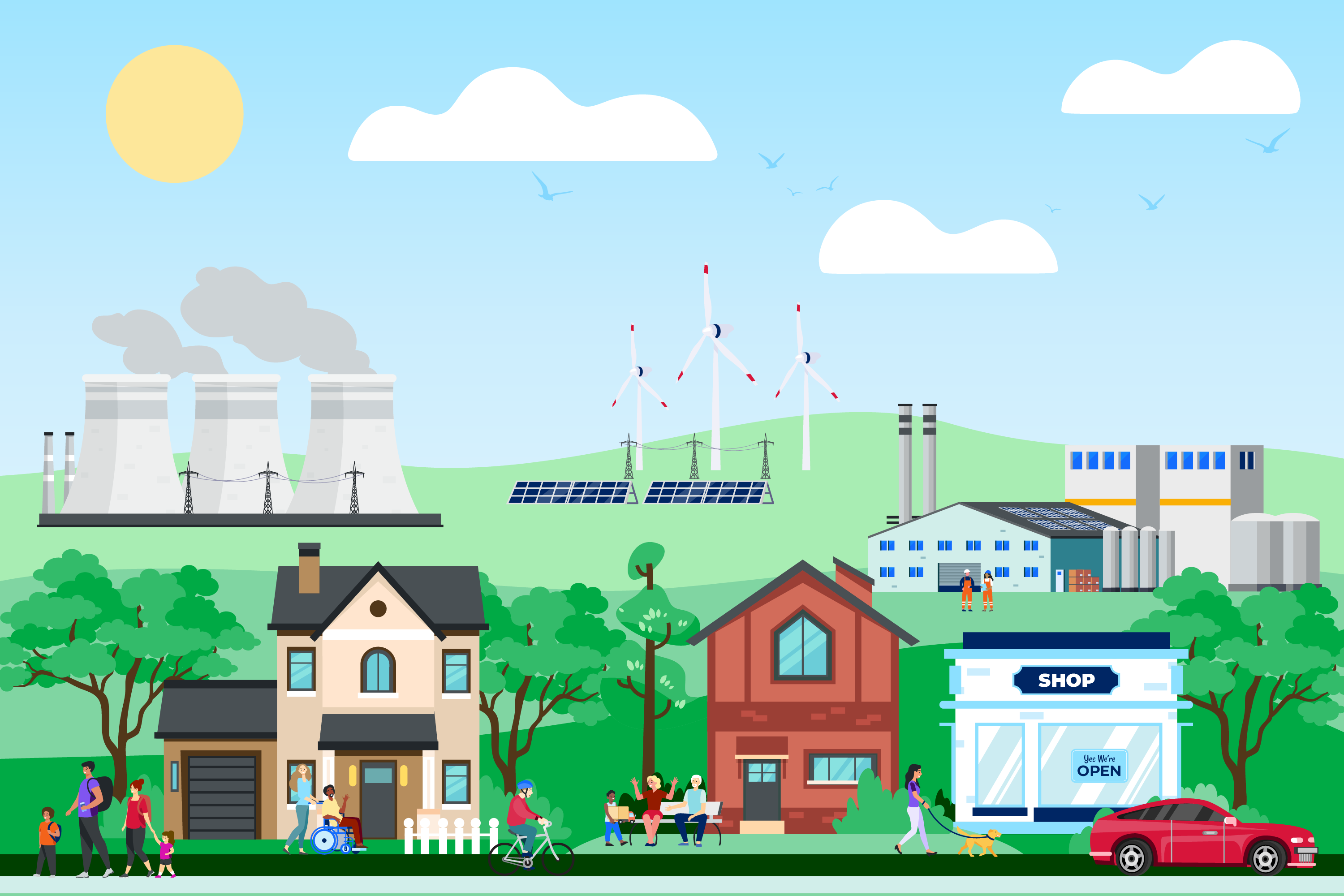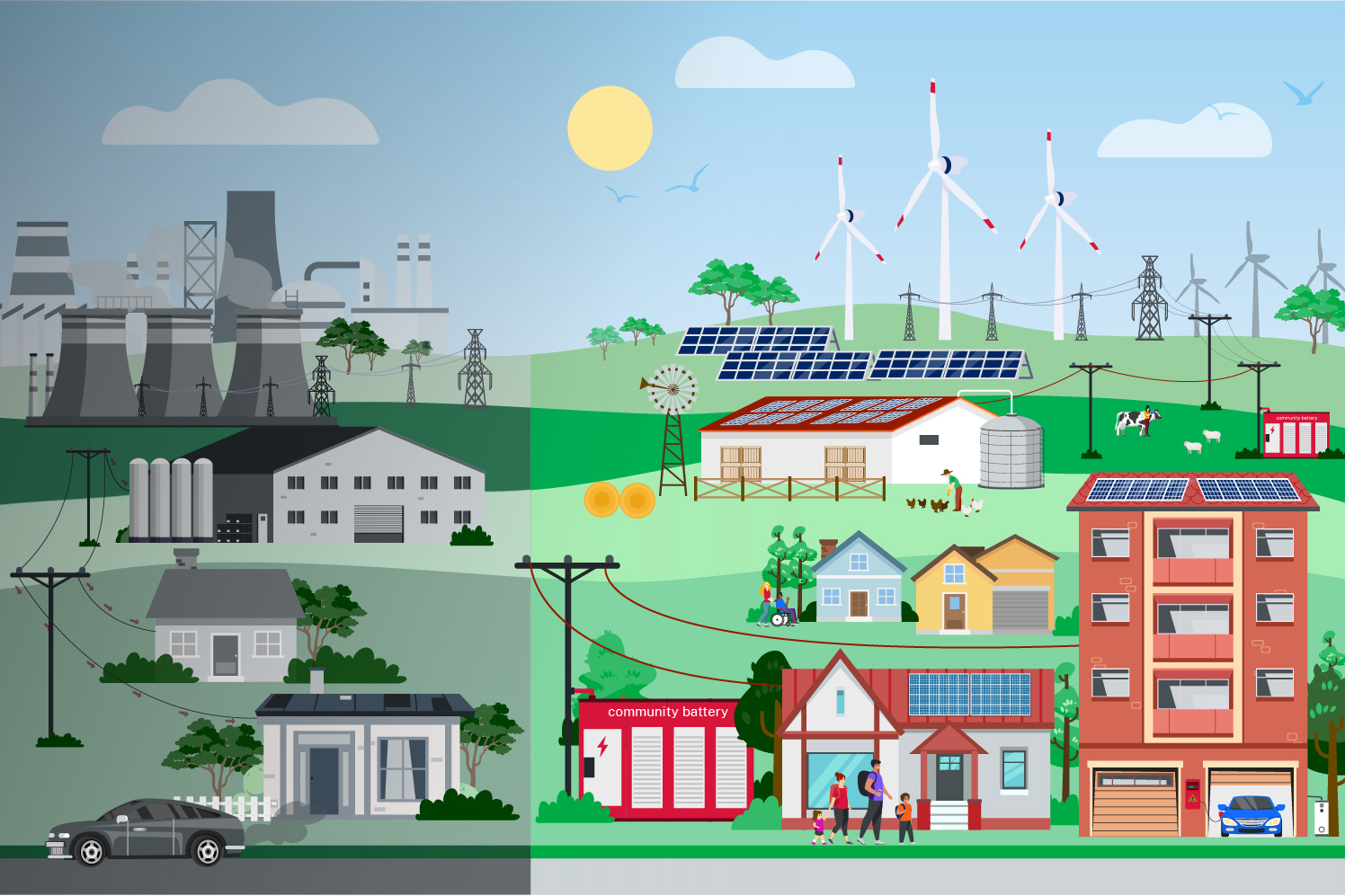
For a long time, most of our state’s energy came from fossil fuels like coal and gas. While these fuels powered our communities, they also caused pollution and contributed to climate change.
Now things are changing.

Coal fired power stations are getting older and closing. Three out of 4 of our coal-fired power stations are closing in the next ten years. They cost a lot to run and maintain.

Running and maintaining these old power stations is pushing electricity prices up. This is increasing your energy bills.

We are using more energy than ever before. More people, with more devices and different needs, are putting pressure on our old system.
We can’t rely on our old energy system anymore. We must transition to a new energy system.
What’s the solution?
Governments, energy companies and communities are building a better energy system that runs on renewable energy, instead of coal and gas.
You’ll still use energy the same way in your home or business every day. But our new system will help lower your energy bills over time, make our air cleaner and protect the planet for future generations.
Why you should care about renewable energy
Renewable energy comes from free natural resources like the sun, wind and water.
It is:

Cheaper
It costs less to produce than electricity from coal. So prices will get lower over time as we add more renewables to the grid.
Cleaner
It’s clean and sustainable. NSW has committed to reaching net zero emissions by 2050, and shifting to renewable energy is playing a huge part in reducing our carbon emissions.

More sustainable
It won’t run out and can grow to meet our increasing energy needs.

Healthier
It creates less pollution and supports a healthier and more comfortable home and work environment.
Learn more about net zero and how you can help reduce emissions and protect the planet.
What this looks like in NSW
In 2005, about 6% of our state’s electricity came from renewable sources. Today that’s grown to around 36%. This number will keep rising as we add more renewables in our energy system.

How we’re storing our extra renewable energy
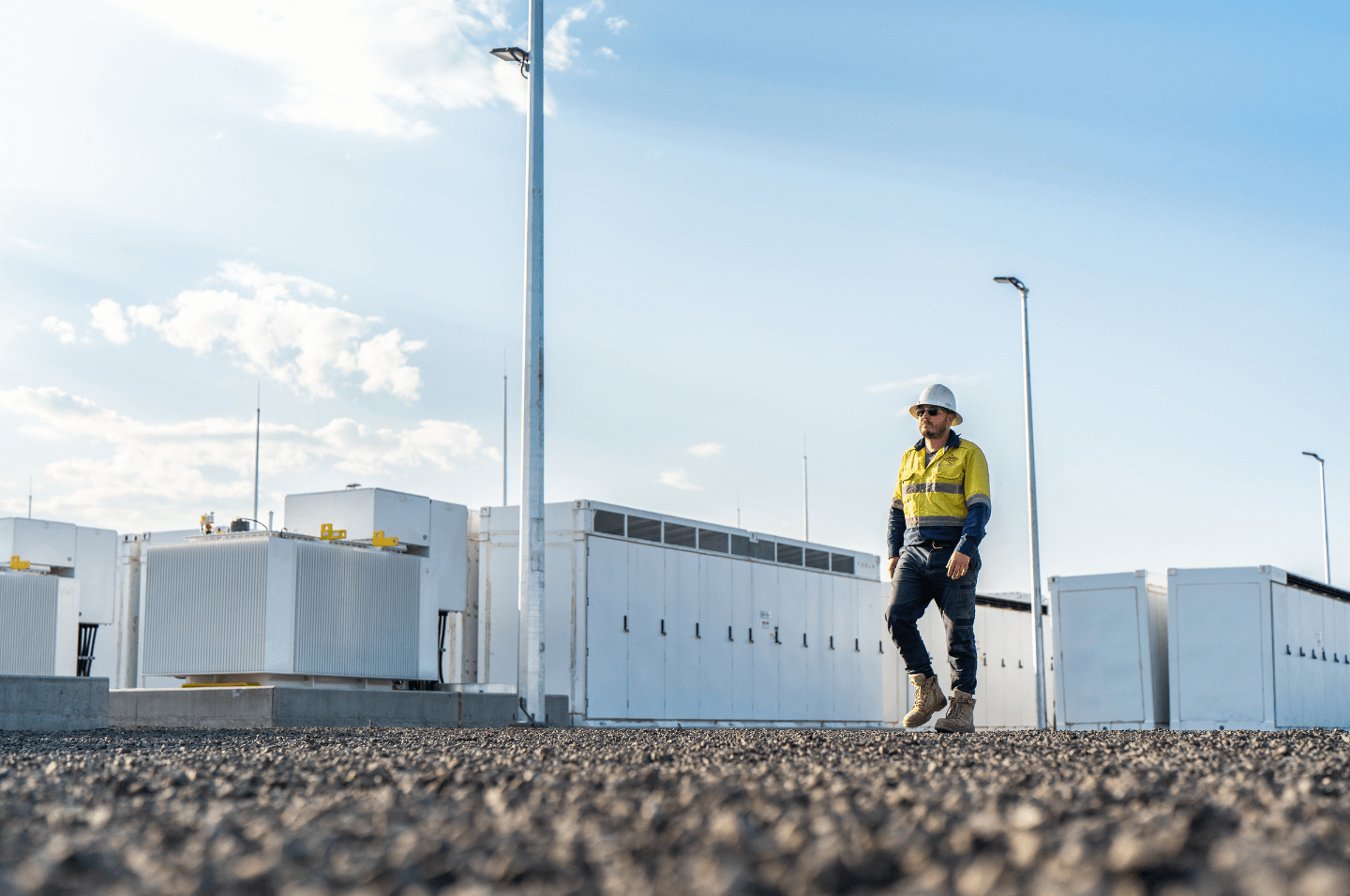
For times when the sun doesn’t shine or the wind doesn’t blow, we’re storing renewable energy using large scale technologies like batteries and pumped hydro.
These technologies store electricity when solar panels and wind turbines produce a lot of energy – like the middle of a sunny day – and then release it into the electricity grid when people need it most.
What this means for you, is that there’s always a reliable power source to keep the lights on. Even when we’re not producing renewable energy.
How we’re managing energy during peak times
Electricity demand is highest during the late afternoon and evening when people get home and turn on lights, appliances, and heating or cooling. This period is known as the ‘peak demand period’. It’s like a rush hour for energy use.
We need to make sure that there’s always enough electricity available during these rush hours to keep prices as low as possible and avoid supply shortages or blackouts.
To do this we are:
using batteries and hydro, so we can use it during peak periods.
with new pricing plans like time of use tariffs and smart energy saving technology.
to keep our electricity system reliable as we include more renewables.
What the government is doing to support this
Our government is working with others to make the transition to renewables as smooth as possible. This includes:
- Upgrading the energy system so we can access more affordable, clean and reliable electricity. This includes developing renewable energy zones across NSW.
- Supporting the uptake of energy-efficient technologies, like solar, batteries and efficient appliances, to help you save money and reduce your environmental impact.