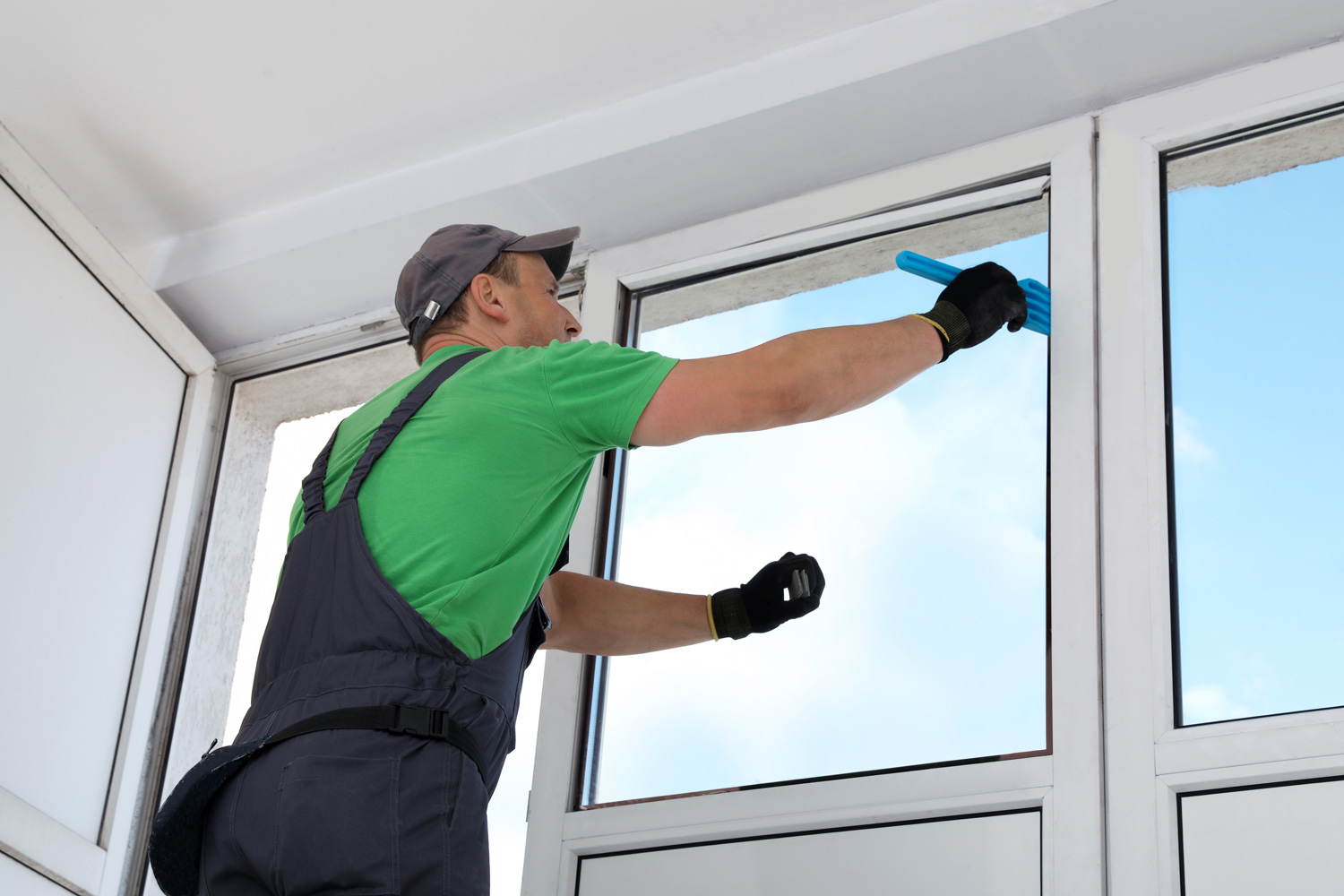
Lower your energy bills, reduce noise and stay comfortable all year round with double glazing.
How it works
Double glazed windows are made of 2 layers of glass with a gap in between. This gap is filled with air or gas, or completely vacuumed, which helps to stop noise and heat from passing through. This makes your house quieter, warmer in the winter and cooler in the summer.
Who it’s best for
Replacing windows is a major upgrade best for homeowners or small business owners who are building new or renovating.
Consider getting double glazed windows if you:
- live in an area with very hot summers or very cold winters
- have old, single-pane, leaky or damaged windows
- want to cut outside noise from traffic, neighbours or airports
- are looking for a long-term investment that boosts energy efficiency and increases your home’s value.
How much you can save

How much it will cost
This is a significant home improvement project.

Government support available
Government incentives can help with this upfront cost.
Case study
"The noise from outside has been significantly reduced, the apartment stays warm enough in winter that we barely need to heat it, and in summer we can use the air conditioner and not worry about leakage of that cool air out of our windows and doors."
– Sophie and Jason, who installed double glazing on their apartment's windows and balcony door.

Get started
-
Choose your new windows
- Choose your window installer first. Get at least 3 quotes from multiple reputable, licensed and insured window installation companies.
- Work with your chosen installer to choose a window and frame that works for your home. You can research by visiting stores, reading reviews and asking friends and family for recommendations.
- Choose windows with a Low-E coating, which is an invisible layer on the glass that acts like a heat-shield. This will reflect heat to keep you warmer in the winter and cooler in the summer.
-
Install your new windows
You must use a professional to install your windows to ensure they’re sealed correctly and meet standards.
-
How to get the most out of your new windows
- Close and lock your windows when they’re not being used to tighten seals and reduce air leaks.
- Use blinds, shades, and curtains to add insulation and control sunlight.
- Keep the frames and glass clean so they operate smoothly and look their best.
- Combine double glazing with draught-proofing for better comfort and savings.
- Seal doors using self-adhesive foam or rubber strips around the frame and use a door snake.
- Seal windows by adding weather stripping to movable frames and using silicone sealant for fixed frames.
- Block vents and chimneys using draught-stoppers on exhaust fans and closing off unused chimneys.
- Consider adding insulation to keep your home even more comfortable.
Find out more about double glazed windows on the Australian Government’s YourHome website.
How to get financial help
NSW Government's Home Energy Saver loans
Get a zero-interest loan to install new energy saving technology and lower your energy bills.
- Who it's for: NSW homeowners or landlords looking to install double glazing or other eligible technology.
You must be an Australian citizen or permanent resident and have a combined, annual, taxable household income of up to $210,000. - How it works: Get a zero-interest loan of up to $15,000. These loans are funded by the NSW Government and delivered by selected finance providers.
- How to get it: Check your eligibility and choose your upgrade. Then you’ll need to select a finance provider, gather quotes and apply for a loan.
There’s currently no Australian Government incentive or rebate available for double glazed windows.