Through the Living Carbon grants, we are investing $5 million in carbon abatement projects that deliver biodiversity benefits in three regions of NSW. Find the details for the Riverina region projects on this page. See more projects at Success stories.
Koolawarra 2 - Revegetation Box Gum Grassy Woodland Riverina
Location
Munyabla, Riverina NRM region
Grant Awarded
$74,856
Co-funding committed to by Grantee
$77,526
Proponent
Ms Leitch
Expected abatement
3,866 tCO2-e
Project Type
Environmental Planting (pilot) 2014
Co-benefits
- Restoring critically threatened Box Gum Grassy Woodland.
- Sustainable production on farms and diversification beyond crop production.
- Contributing to climate action through carbon sequestration.
- Support increasing biodiversity and the return of threatened bird species to the property such as the Grey Crowned Babbler and Superb Parrot.
Project summary
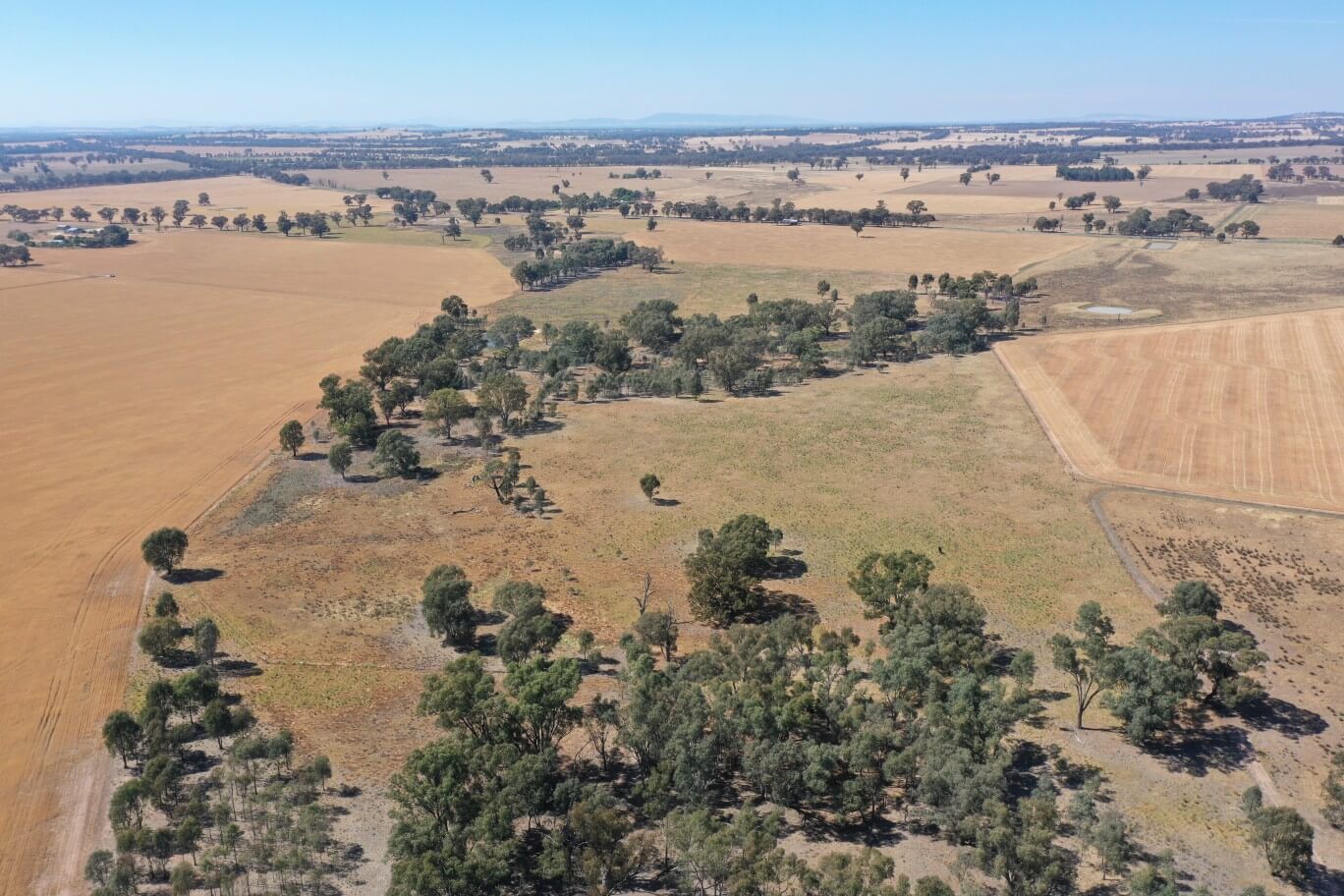
The project aims to transform 30ha of previously grazed and cropped land to box gum grassy woodland along Mundawaderry Creek. Around 14,500 trees and shrubs will be planted to connect with existing patches of remnant vegetation. This will create a 49ha wildlife corridor and habitat link for endangered wildlife including squirrel gliders, grassland birds and invertebrates that can already be found in wooded areas of the property.
Monitoring via the CER and LLS Riverina carbon project will track carbon sequestration and biodiversity metrics, ensuring project success and guiding future conservation efforts.
Gilgal Environmental Planting Project
Location
Cootamundra, Riverina NRM region
Grant Awarded
$142,064
Co-funding committed to by Grantee
$96,472
Proponent
Gilgal Grazing Pty Ltd
Expected abatement
48,000 tCO2-e in the first 25 years
Project Type
Environmental Planting (pilot) 2014
Co-benefits
- Sustainable production on farms and enhancing crop production.
- Restoring habitat for threatened woodland bird species.
- Contributing to climate action through carbon sequestration.
- Increasing area of threatened ecological communities and habitat for native species.
Project summary
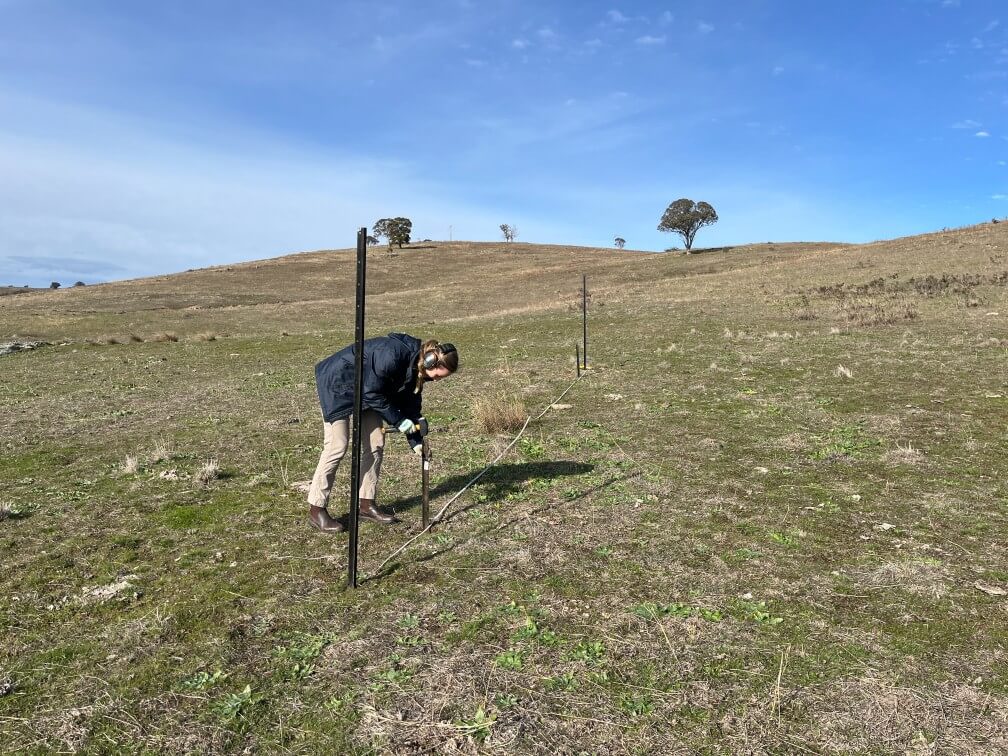
This project is establishing 197 hectares of permanent plantings using a mix of native tree and shrub species on land that was predominantly used for agricultural purposes for at least five years prior to the project commencing. The project will plant over 59,000 locally native trees and shrubs that form part of two threatened ecological communities: Box-gum grassy woodland and mallee shrubland. By restoring these ecosystems, the project will also improve habitat for threatened species including the Turquoise parrot, Superb parrot and Brown Treecreeper.
Okeview Environmental Planting Project
Location
Oura, Riverina NRM region
Grant Awarded
$188,405
Co-funding committed to by Grantee
$106,803
Proponent
Eringoarrah Pty Ltd
Expected abatement
45,000 tCO2-e
Project Type
Environmental Planting (pilot) 2014
Co-benefits
- Restoring critical Superb Parrot habitat.
- Contributing to business outcomes to become a carbon neutral farming enterprise.
- Improving productivity outcomes by sheltering livestock and reducing erosion of creek beds.
- Restore threatened ecological community Box-gum Grassy woodland.
- Creating wildlife corridors to enhance native biodiversity.
Project summary
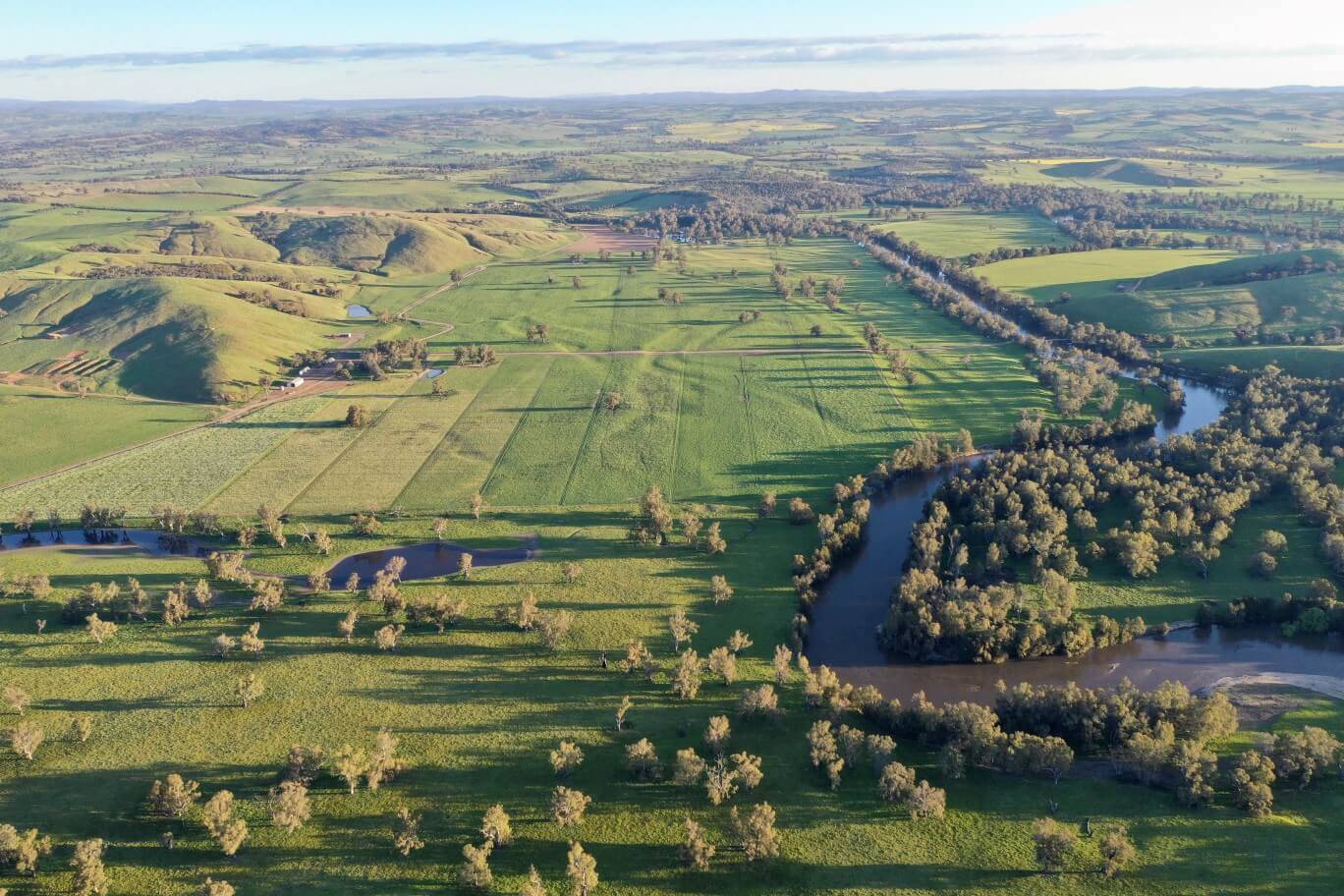
The Okeview Environmental Planting Project aims to plant, grow and then maintain 97.4 hectares of native trees at a density that replicates the natural structure of box gum grassy woodland. To do so, it aims to achieve 30% canopy cover across the site. The carbon stored in these trees will assist the business in achieving its objective of being a carbon neutral farming enterprise. The trees will also serve as shelterbelts for livestock, wildlife corridors that enhance native biodiversity, and tools to help prevent erosion to creek beds.