Advancing hydrogen storage technology
Using nanomaterial to help decarbonise heavy industry and transport
-
-
- About clean technology innovation
- CSIRO Data Clearing House
- Clean technology innovation grants
- Ecosystem grants FAQs
- Hysata’s electrolyser technology puts Australia at the forefront of the green energy revolution
- The Melt’s hardware accelerator and pilot enabler programs
- The product development lifecycle
- UoW Clean Energy Living Laboratory is set to be Australia's first mixed-use, precinct-based microgrid
- Business equipment upgrades
- Low emissions specifications
- NSW skills for net zero
- Industrial decarbonisation plans for the Hunter and Illawarra
-
- EV public charging master plan
-
- Destination charging grants FAQs
- Electric vehicle destinations charging grants: previous round information
- Eligible EV charger and software list
- Future proofing business: motel's EV success
- How hosting an EV charger can benefit your business
- How to make your town a preferred charging stop for EV drivers
- Mingara Recreation Club
- Net zero buildings
- Pumped hydro grants
-
-
-
- Battery storage guide
- Circular design guidelines for the built environment
- Compressed air guide
- Electricity metering and monitoring guide
- Energy efficient lighting guide
- Gas measurement and monitoring guide
- HVAC guide
- Industrial refrigeration guide
- Net Zero Business Guide
- Renewable energy guides for farmers
- Voltage optimisation guide
-
- NSW innovation that is wow
- Grant’s business got a head start with new energy efficient refrigerators
- AGL steering towards an electric future
- Advancing hydrogen storage technology
- An holistic approach to sustainability
- Collaboration is key to Port Authority’s prize-winning plan for net zero
- Driving sustainability: how STARTTS is transitioning to an EV fleet
- High impact partnership
- Second life solar
- TAFE NSW leads the charge on electric fleets
- Port of Newcastle fleet heading all electric
- Tridon Australia cutting manufacturing energy costs
Rux Energy is revolutionising hydrogen storage with support from the NSW Government’s Clean Technology Innovation grants.
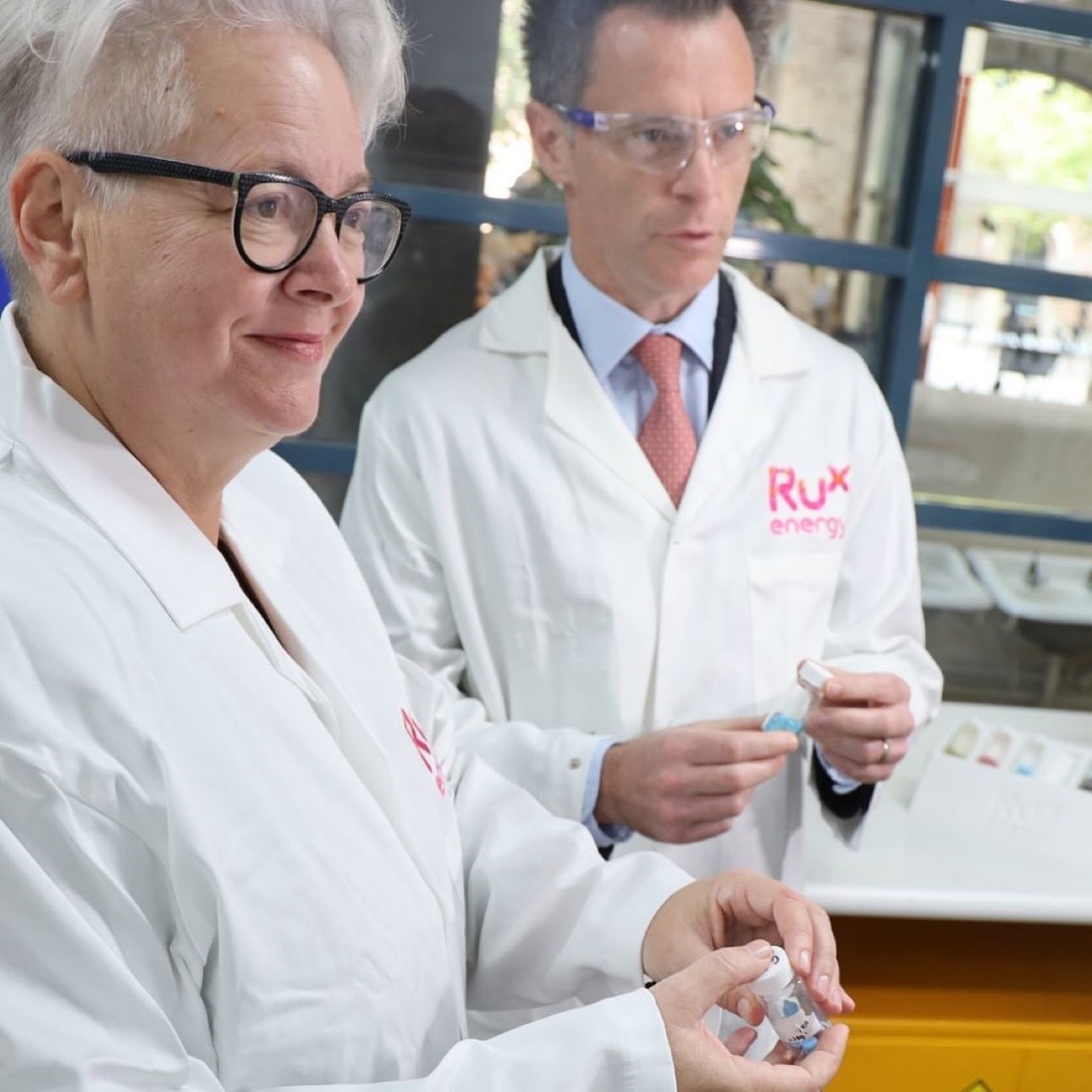
The NSW Government is working with industry to develop a thriving green hydrogen industry in NSW and has provided funding to help Rux Energy develop a new method to store hydrogen by utilising metal-organic frameworks.
Fueling decarbonisation
The goal is to improve dispatchable hydrogen (H2) storage for heavy mobility and refuelling.
This will enhance the adaptability of hydrogen in the manufacturing and heavy vehicle industries, potentially leading to a solution for decarbonisation.
Hydrogen is a critical fuel source for NSW to reach net zero by 2050 for industries that can’t easily be electrified. It also provides significant opportunities for economic growth, more jobs and investment.
The challenge of hydrogen as a fuel source
Due to hydrogen’s small molecular size and high energy capacity (hydrogen has 3 times the energy content of petroleum) storing and transporting hydrogen in a safe and stable way is one of the biggest barriers to widespread use as an energy source.
Conventional hydrogen storage requires extreme-pressurisation or exceedingly low temperatures (-253⁰C).
A high-tech solution
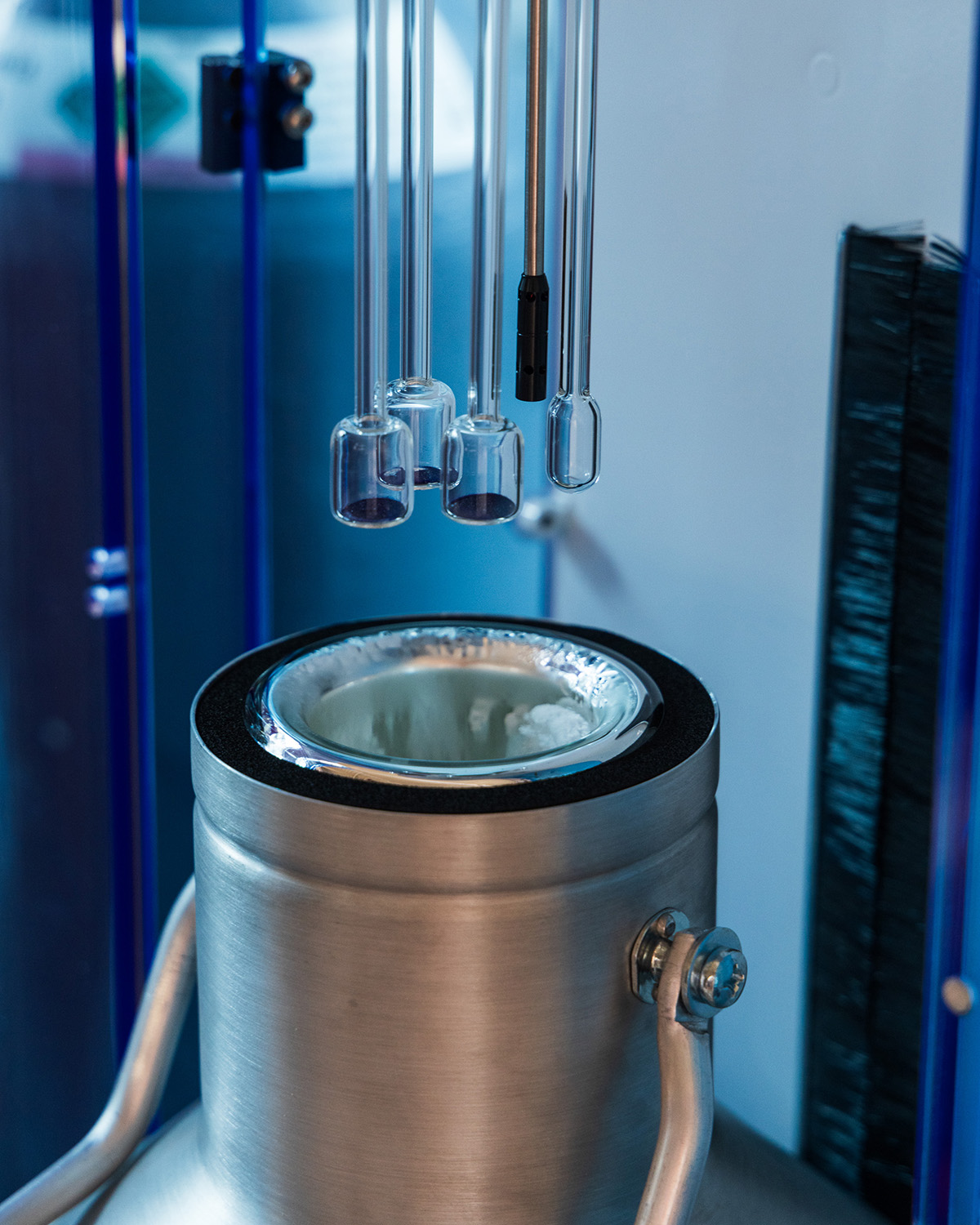
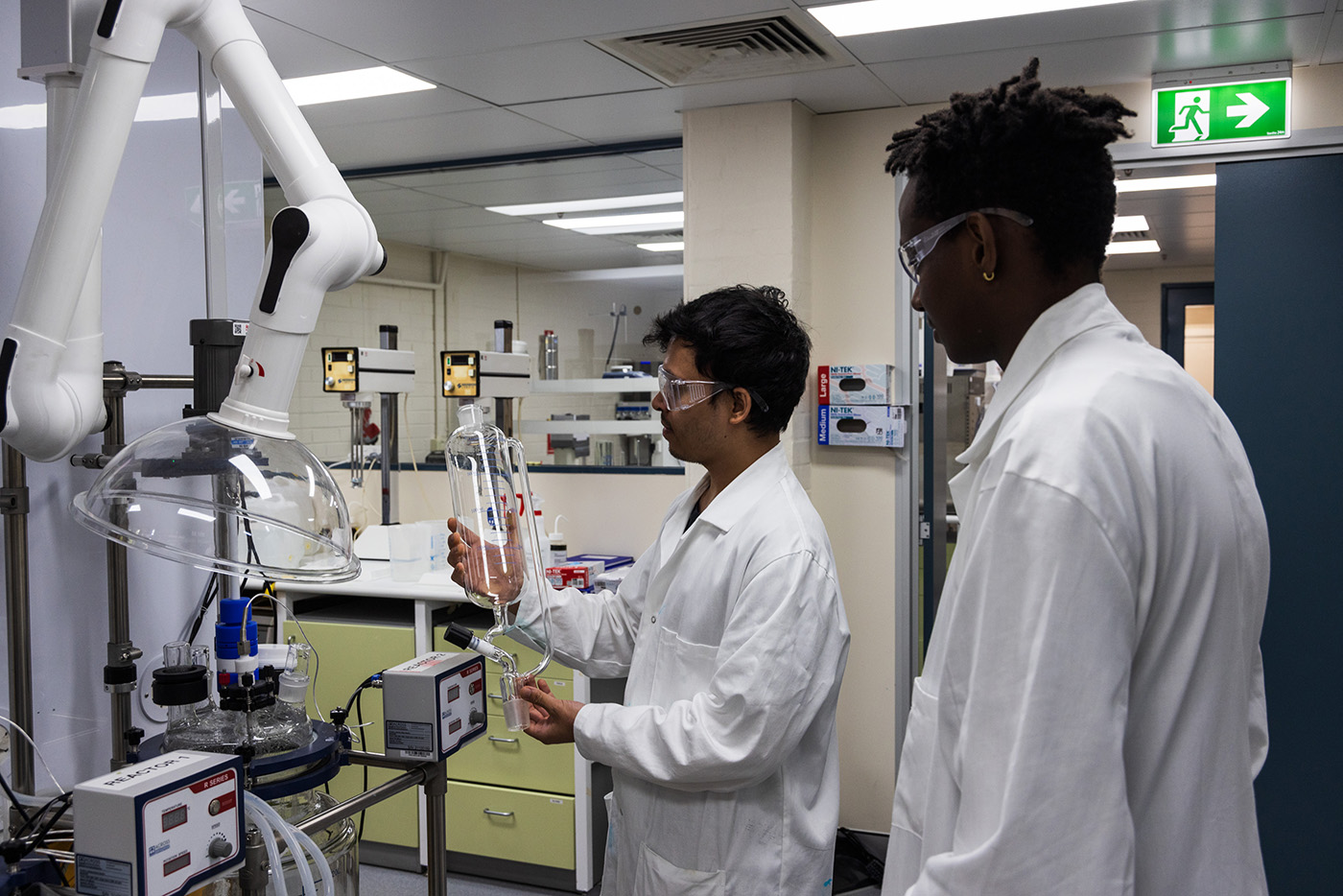
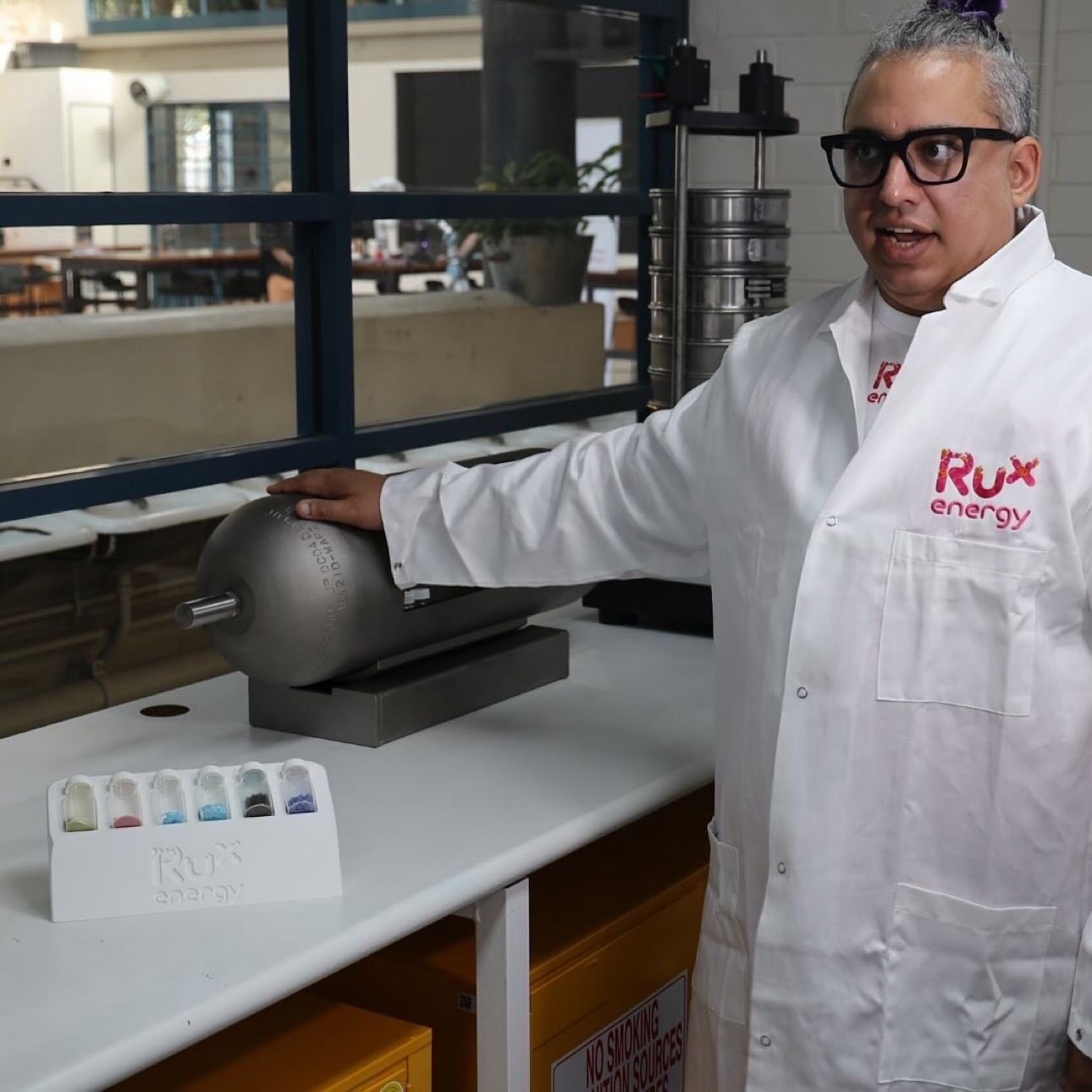
Rux’s solution involves filling composite tanks with a highly porous nanomaterial that acts like a sponge. It absorbs hydrogen without any chemical changes to the hydrogen molecule itself, at much lower pressures and more moderate temperatures.
This storage is crucial for reducing emissions from hard-to-decarbonise sectors like steel manufacturing, heavy freight, maritime and rail.
These sectors are vital for the NSW economy but are finding it difficult to move away from fossil fuels because they rely on combustion.
By focusing on local production units, Rux Energy lowers the carbon footprint of these sectors and supports NSW’s emissions reduction goals.
The importance of collaboration
Rux Founder and CEO Dr. Jehan Kanga believes that by engaging upfront with these sectors, Rux has shown them that decarbonisation can be profitable.
“We want to be remembered as one of the few companies in the world really focussed on the hardest of the hard-to-abate sectors – the stuff no one wants to do, but which are the heaviest carbon emitters. We're working toward decarbonising tugboats, big locomotives, and the largest trucks on Earth. We just need to listen to them and get the tech right for them.”
A bold plan
Looking ahead to 2025, Rux Energy plans to scale up tenfold. The company is preparing for significant advancements including international collaborations and a strong commitment to global carbon emission reductions. They have a stretch target to help abate up to 10 million tonnes of carbon a year globally by 2030.
NSW is becoming a hub for clean technology innovation, supported by projects like Rux Energy. By focusing on local manufacturing, they’re strengthening NSW’s energy security and supporting a low-carbon future.