Critical response plan helps brush-tailed rock-wallabies hop away from danger
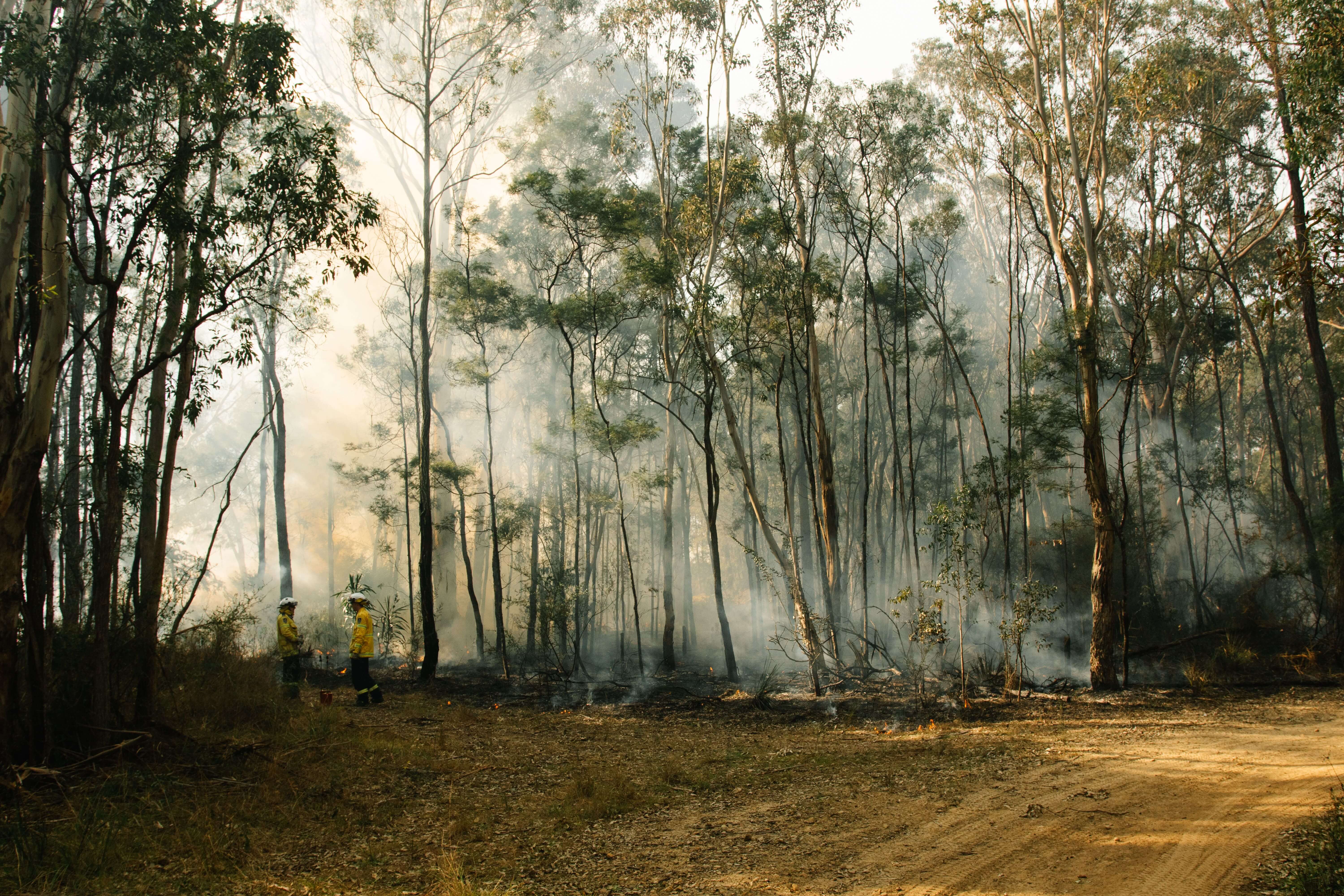
When smoke was reported drifting from the Black Springs Trail within Oxley Wild Rivers National Park on 27 December 2024, the National Parks & Wildlife Service (NPWS) acted swiftly.

This was guided by an Assets of Intergenerational Significance (AIS) fire response plan.
An AIS is an area of environmental or cultural value within NSW’s national parks system. Declared under the National Parks and Wildlife Act 1974, these sites require dedicated conservation action and fire response plans.
As of 1 July 2025, 360 sites have been declared, protecting habitat for 132 threatened species across 151 reserves.

Protecting threatened species
Each AIS fire response plan provides information about a species, the habitat they live in and how fire might affect them. The response plan for brush-tailed rock-wallabies provided operational specifics, including not using heavy machinery or chemical retardants.
This helped ensure that the colony of wallabies remained relatively unharmed despite 12 days of firefighting by NPWS in rugged terrain.
The response plan guided a measured approach, which included burning lower slopes while avoiding higher rocky habitat, establishing containment lines and using helicopters to bucket water. The plan also clearly described the need to reduce the fire’s intensity around the colony, which was adopted into the strategies used to suppress the Yarrowitch fire.

Firefighting from the air
To implement the plan, firefighters dropped incendiaries from aircraft to start small, controlled fires along ridgelines. This tactic produces less intense fire than if they burn uphill.
This pre-emptive method, coupled with aircraft surveillance to detect potential uphill runs, prevented the fire from threatening the colony. The brush-tailed rock-wallabies emerged unscathed, and NPWS continues to monitor the site.
The case highlights how AIS fire response plans can support the protection of threatened species by combining science, strategy and on-ground expertise.

More success stories from the Climate Change Fund

Restoring riverside habitat at Camden Town Farm
NSW National Parks and Wildlife Service is testing artificial intelligence (AI) in their fire management practices, addressing a critical issue identified in the NSW Koala Strategy.
The escalating threat of too frequent bushfires poses a significant risk to the ecosystems and wildlife of NSW.