Restoring riverside habitat at Camden Town Farm
Just a stone’s throw from Camden’s city centre, Camden Town Farm has been part of Camden’s landscape in south-west Sydney for generations.

In recent years the farm has become the focus of a large-scale environmental restoration project that is enhancing biodiversity, boosting farm productivity and creating new spaces for people to connect with nature. The project is part of the Greening our City program, and managed in collaboration with Camden Council.
Originally a dairy farm, the 52-hectare property was bequeathed to Camden Council in 2000 on the condition that it be maintained as open space for the town’s residents to enjoy.
“Our focus is on replanting key native species to restore the River-flat Eucalypt Forest that was present along the Nepean River and nearby creeks previously,” explains Greening Australia Program Specialist Evan Freame.
“By reinstating the tree and shrub layers, we’re bringing back vital habitat for local wildlife.”

Greening the way for native flora and fauna
This new green corridor will create a layered habitat for hairy-nosed wombats, small woodland birds and platypuses, while providing shade, windbreaks and soil protection for grazing livestock.
The project also contributes to Greening Australia’s broader urban greening goals by cooling the local environment, improving habitat connectivity and reducing ongoing maintenance by establishing self-sustaining native vegetation.
Specifically, the project involves removing dense infestations of African olive, an invasive woody weed that provides little habitat value, and planting thousands of native seedlings in its place. Seedlings include important canopy species, such as the endangered Camden white gum, cabbage gums and forest red gums, as well as a rich mix of understorey plants and flowering species to attract pollinators.
“Including the Camden white gums was particularly significant, as there are very few mature trees left in the Camden area,” says Evan.

Creating a place for all to thrive
The revegetation also creates inviting, shaded spaces for the community to enjoy, cool down and connect with the landscape. New infrastructure, including pathways, bridges, seating, water stations and lookouts, has enhanced the site’s amenity for locals and visitors.
Community use is key to the project’s success. As the restored areas grow and mature, they will further contribute to the site’s value as a recreational hub, encouraging locals to connect with nature and helping to foster a stronger sense of environmental stewardship.
Creating a place for all to thrive
The project is delivered by the Greening Australia’s Rewilding Sydney initiative.
“This Rewilding Sydney project transforms what was once only farmland into a vibrant space that encourages people to get outdoors, connect with nature and take pride in their local environment. The result is a living legacy where both people and nature can thrive,” says Michael Gregg, Greening Australia’s Land and Restoration Lead.

More success stories from the Climate Change Fund

When smoke was reported drifting from the Black Springs Trail within Oxley Wild Rivers National Park on 27 December 2024, the National Parks & Wildlife Service (NPWS) acted swiftly.
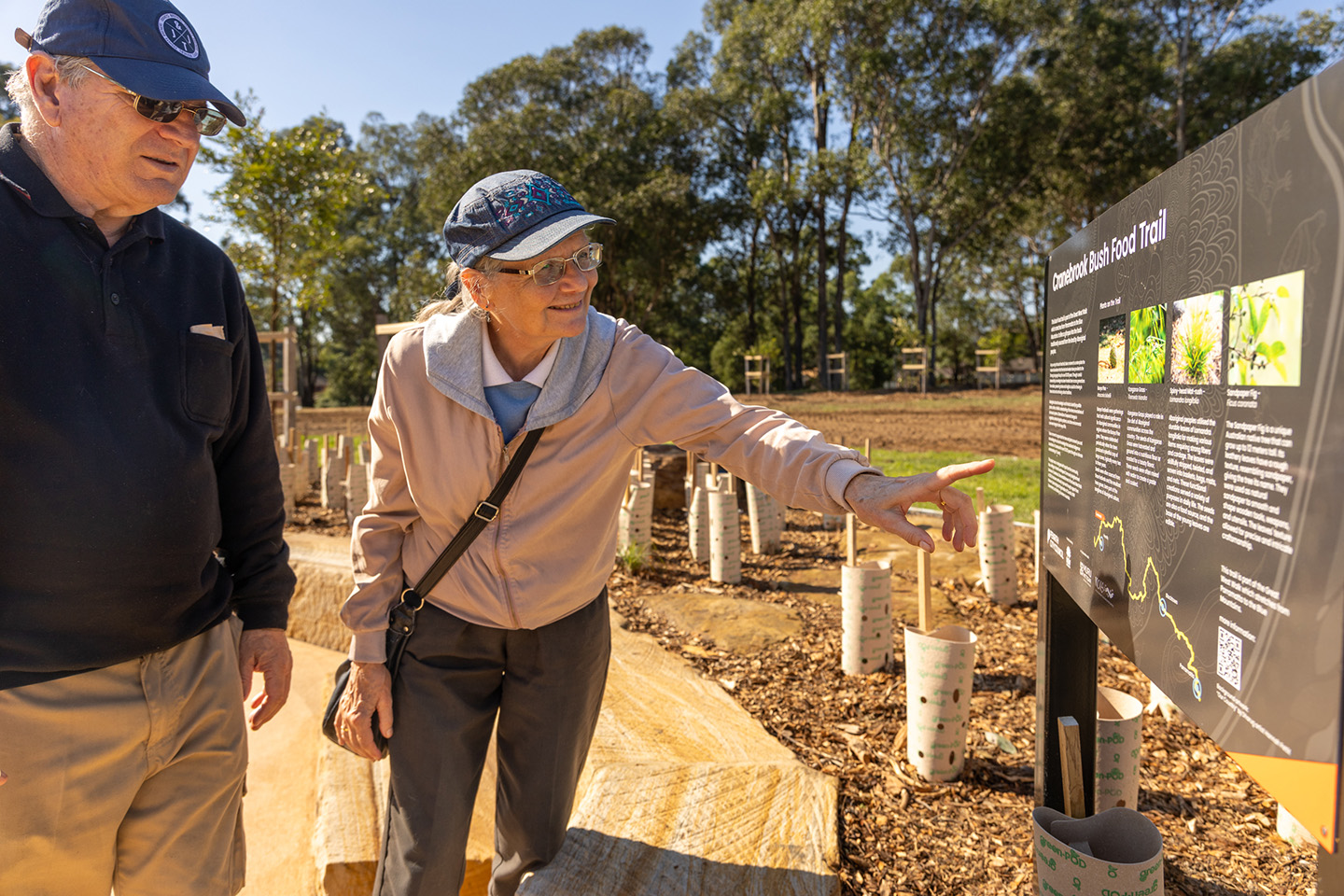
The Bush Food Trail (Trail) invites the community to actively engage with nature and immerse themselves in First Nations culture.
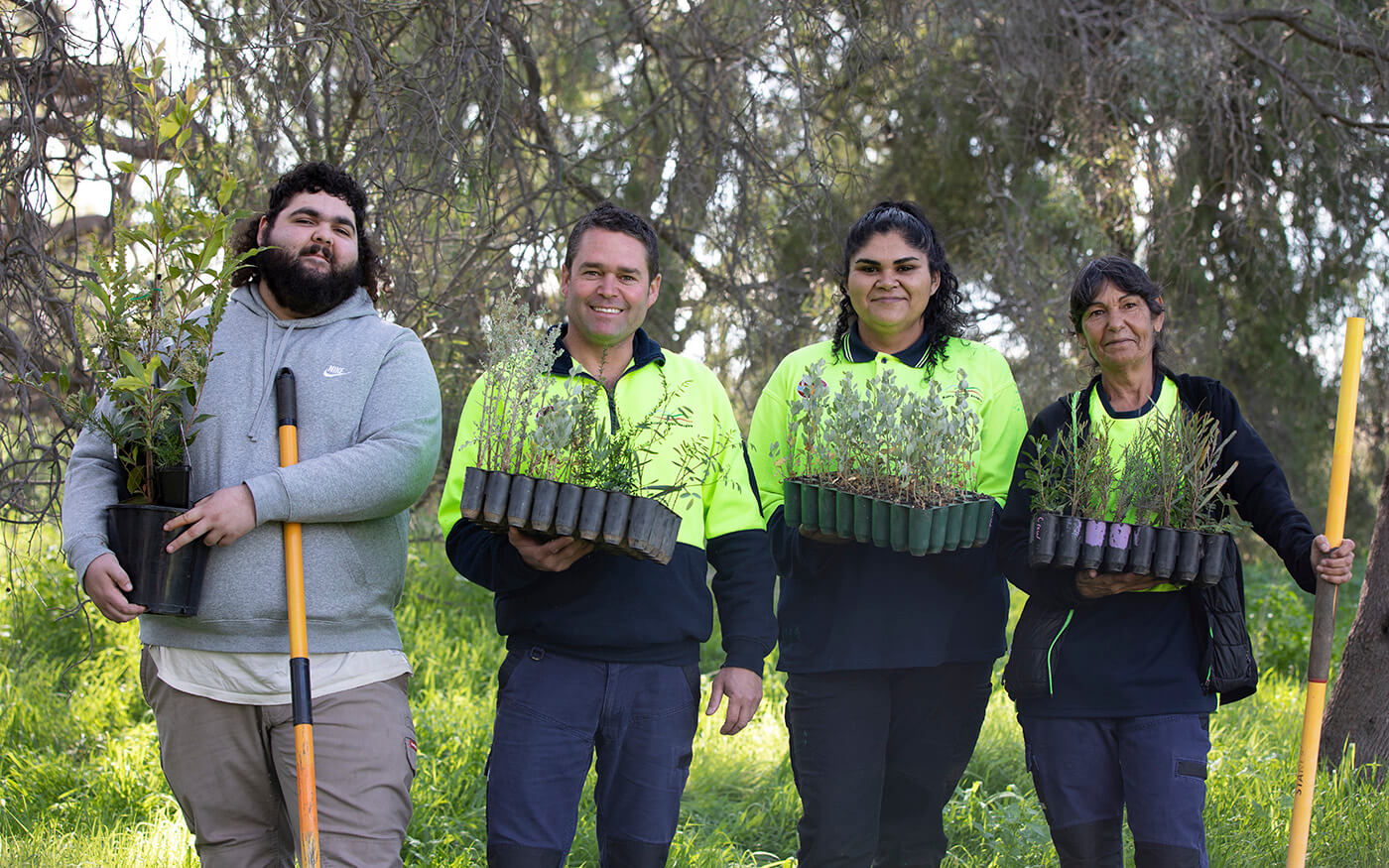
Carbon farming projects can provide a pathway for First Nations communities to care for Country and get paid for it.