Towards Net Zero - Taronga Conservation Society Australia
21 August 2025
Taronga Conservation Society Australia is on a mission to inspire visitors by leading the way on climate action and emissions reduction.

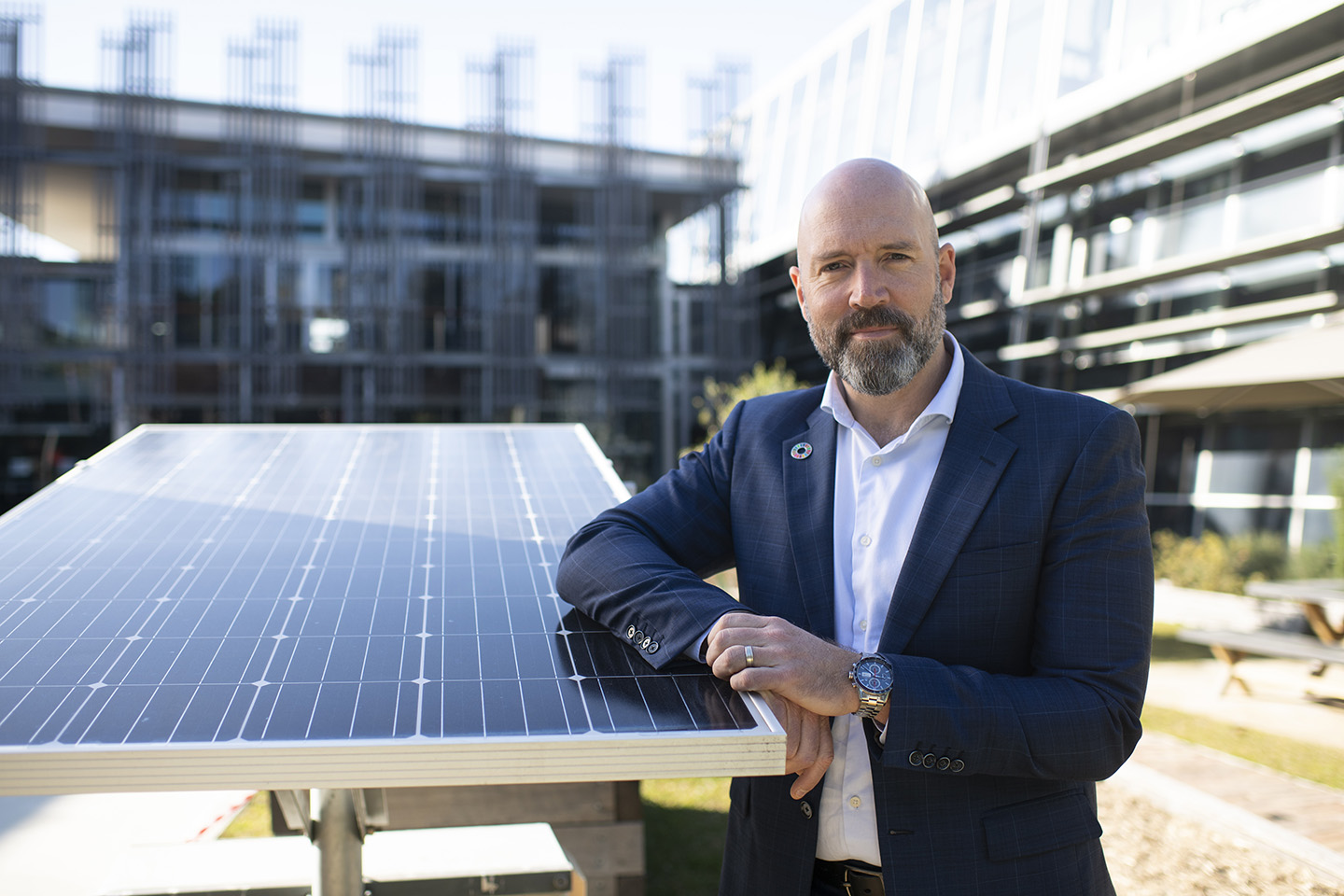
“We recognise that climate change is one of the biggest threats to people, nature and prosperity,” says Sustainability Manager, Jon Shaw. “We want to be leaders in this space.”
Jon: At Taronga we recognise that climate change is one of the biggest threats to people, nature and to prosperity.
We want to be leaders in this space.
It's amazing working here.
Every day is different and having 4 ambitious sustainability targets. It gets me out of bed in the morning. You can actually see change in action.
I really love that the Taronga has a five year sustainability strategy.
We're trying to hit net zero by 2030, 100% renewables by 2030.
We're also got a 90% waste diversion target.
We have a water efficiency target as well.
We have 3 remaining big sources of carbon emissions and the biggest chunk of those emissions is to do with protein.
Hi Klay, So what are we up to today?
What are we feeding?
Klay: Hello, today I'm going to make up some echidna food.
Echidnas eat up to 10,000 ants or termites in the wild a day.
We can't provide them with that exact diet, but what we have is an echidna mix.
It comes in powder form.
We mix it with water and it becomes like a delicious, nutritious echidna porridge.
This new diet is so amazing.
It now still has all of the proteins they need, but it's more plant based, it's more sustainable.
Jon: We use a lot of electricity to heat and cool the various buildings and to also move water around.
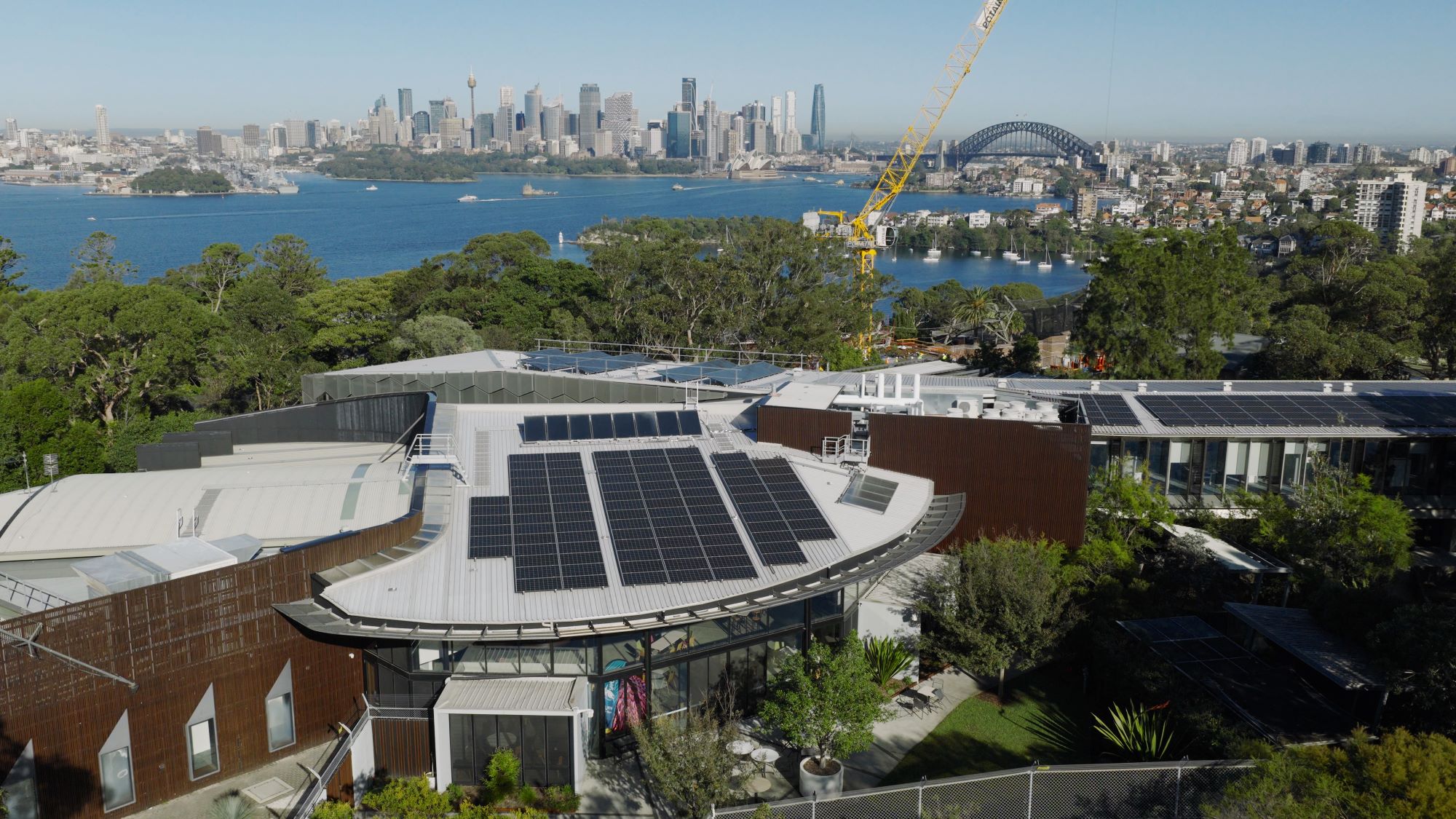
So we have over 600 kilowatts of solar panels across our two zoos.
We also have this contract with Red Energy where the remainder of the electricity comes from solar or from hydro.
This has helped us reduce our emissions by about 7000 tonnes each year.
Last year we had over one and a half million people visit our two zoos and we also trained over 90,000 students.
So we have this real opportunity to influence people that either visit the zoo or learn from us.
Klay: I think every organisation needs to be looking at how to reduce their footprint.
There's so much that we need to do environmentally, looking after species but also looking after the land that we live on.
It's important for an organisation like us to be leading the way and setting a really good example.
Jon: We can be a case study for others to learn from us, and we can learn from others on how we all can reach net zero together.
On track to net zero
Taronga is implementing a range of sustainability initiatives across carbon reduction, energy, waste, water and procurement.
Taronga's targets
Their ambitious targets include:
- reaching net zero emissions by 2030
- using 100% renewable energy by 2030
- diverting 90% of waste from landfill by 2025
- having zero net increase in water use from 2025.
“We use a lot of energy here for heating, cooling, and pumping,” says Jon.
“We have over 600 kilowatts of solar panels across our 2 zoos. We also have a contract with Red Energy, where the rest of our electricity comes from a solar farm near Dubbo or, at nighttime, from hydro.”
"This has helped us reduce our emissions by 53%. So, we're well on track to reaching net zero by 2030."
A holistic approach
While Taronga has reached 100% renewable energy, it must implement various sustainability initiatives across the zoo to meet its net zero targets.
“We measure our emissions each year,” says Jon. “And we’re already seeing reduced emissions from energy, water and waste management.”
“What we've worked out is that we have remaining big sources of carbon emissions: construction, the food we sell at the cafes and restaurants, plus the food we give to the animals in our care.”
Taronga is ensuring animals get the nutrition they need, while also reducing carbon emissions from its supply chain.
“With advice from the nutritionist on site,” says Jon, “we’re looking at each animal’s diet to not only reflect what they would eat in the wild, but also reduce carbon into the atmosphere.”
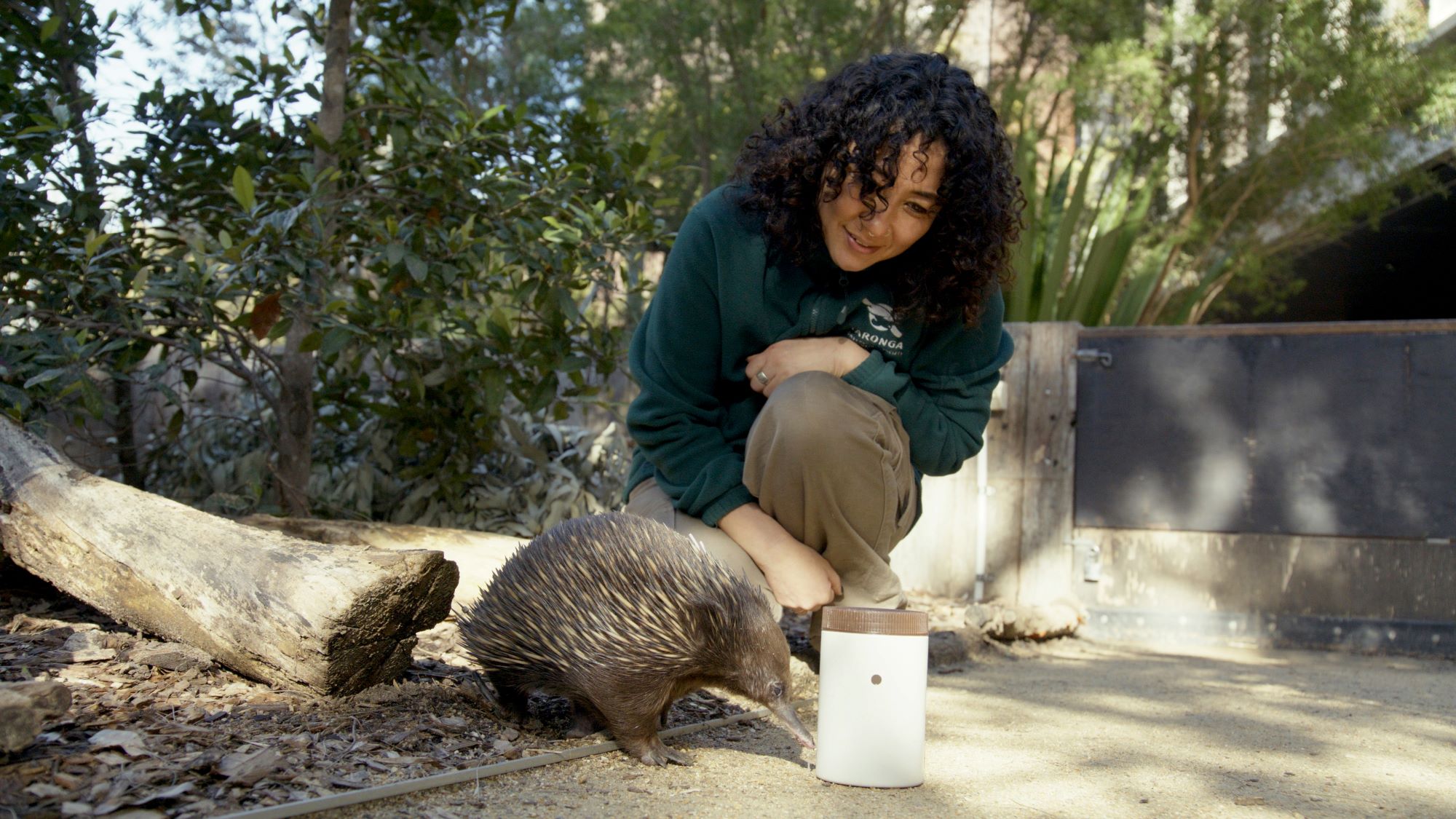
The zoo has recently modified the diet of its echidnas, who can eat up to 10,000 ants and termites a day. The echidnas’ diet used to be mainly ground kangaroo meat.
Zookeeper Klay Cameron explains: “It’s been completely re-developed by our nutritionist. It still has all the proteins they need, but it's more plant-based. It's better for them nutritionally and doesn’t have the same carbon impact as the original meat diet.”
Educating for change
Recognising that behaviour change and education are critical to securing a safe and sustainable future, Taronga is using its influence to shape the hearts and minds of young people who visit the zoo.
“Last year, we had over 1.8 million visitors across our 2 zoos and we trained over 90,000 students,” says Jon Shaw. “We have a range of different climate change programs, one of which is called Climate Heroes. It’s aimed at kids that visit the zoo, and it's really trying to change their behaviours for transport, waste, fashion, and the economy.”

A sustainability blueprint for zoos worldwide
According to the Science Based Targets Initiative (SBTi), close to 70% of the global economy is now committed to net zero by 2050. Governments and large organisations are increasingly integrating sustainability strategies into core business to achieve their net zero commitments.
As Taronga's sustainability journey has been extensive and holistic, it has co-led the development of a Decarbonisation Guide for 1,300 zoos around the world. This will enable other zoos to draw from Taronga’s experience and offer tested pathways for emissions reductions.
It all adds up to net zero
More stories
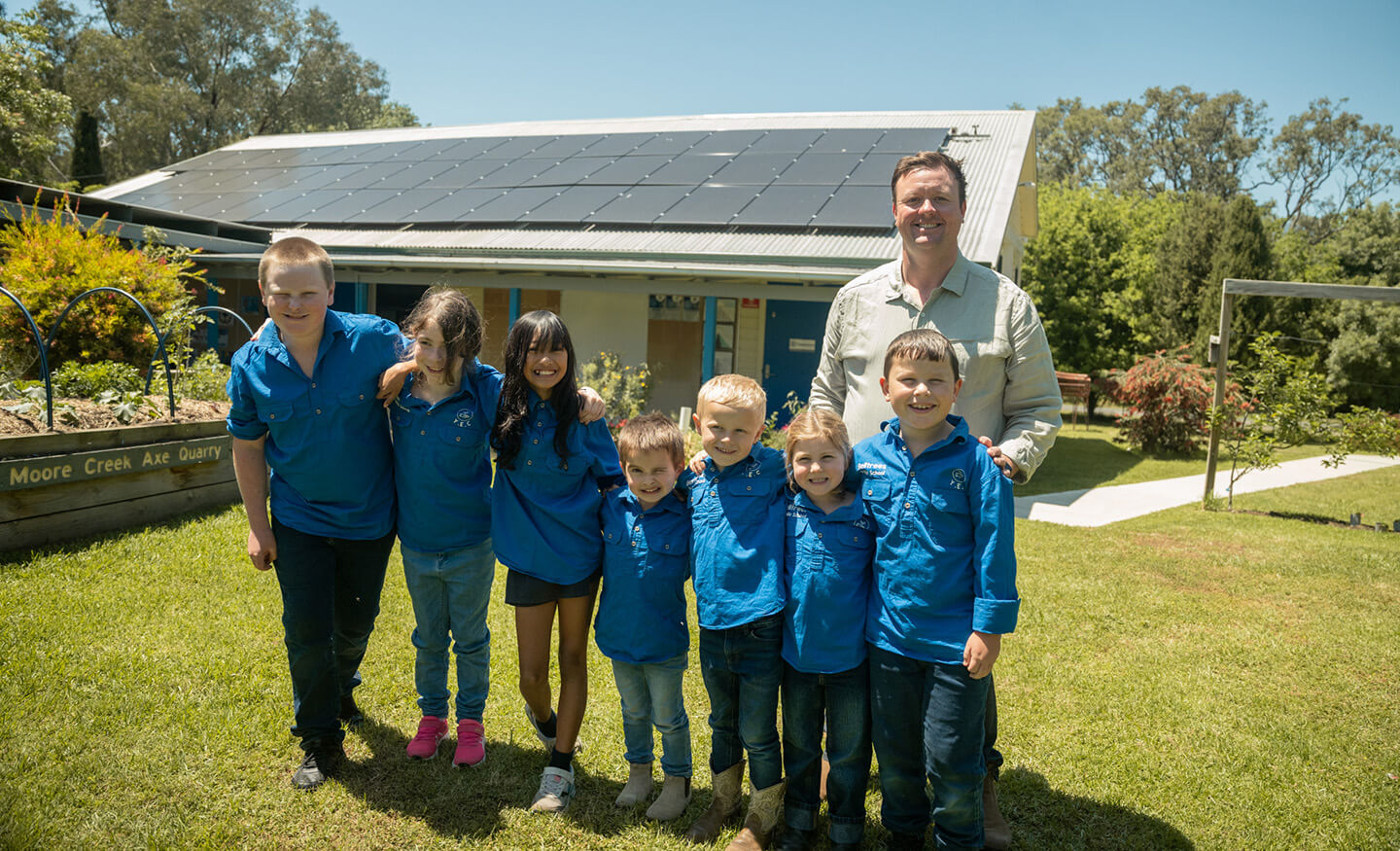
Belltrees Public School is proving size is no barrier to climate change impact.

As the largest healthcare provider in NSW, Hunter New England Local Health District (HNELHD) is taking ambitious climate action, aiming to become carbon and waste neutral by 2030.
Blackmores, a trailblazer in health and wellness, is setting a high standard with its ambitious goal to achieve net zero emissions by 2030 and develop a Nature Positive strategy.