Belltrees Public School
13 March 2025
Led by Principal Shane Roberts, the 8 Belltrees Public School students are rolling up their sleeves and making real, tangible changes, contributing to NSW’s push towards net zero.
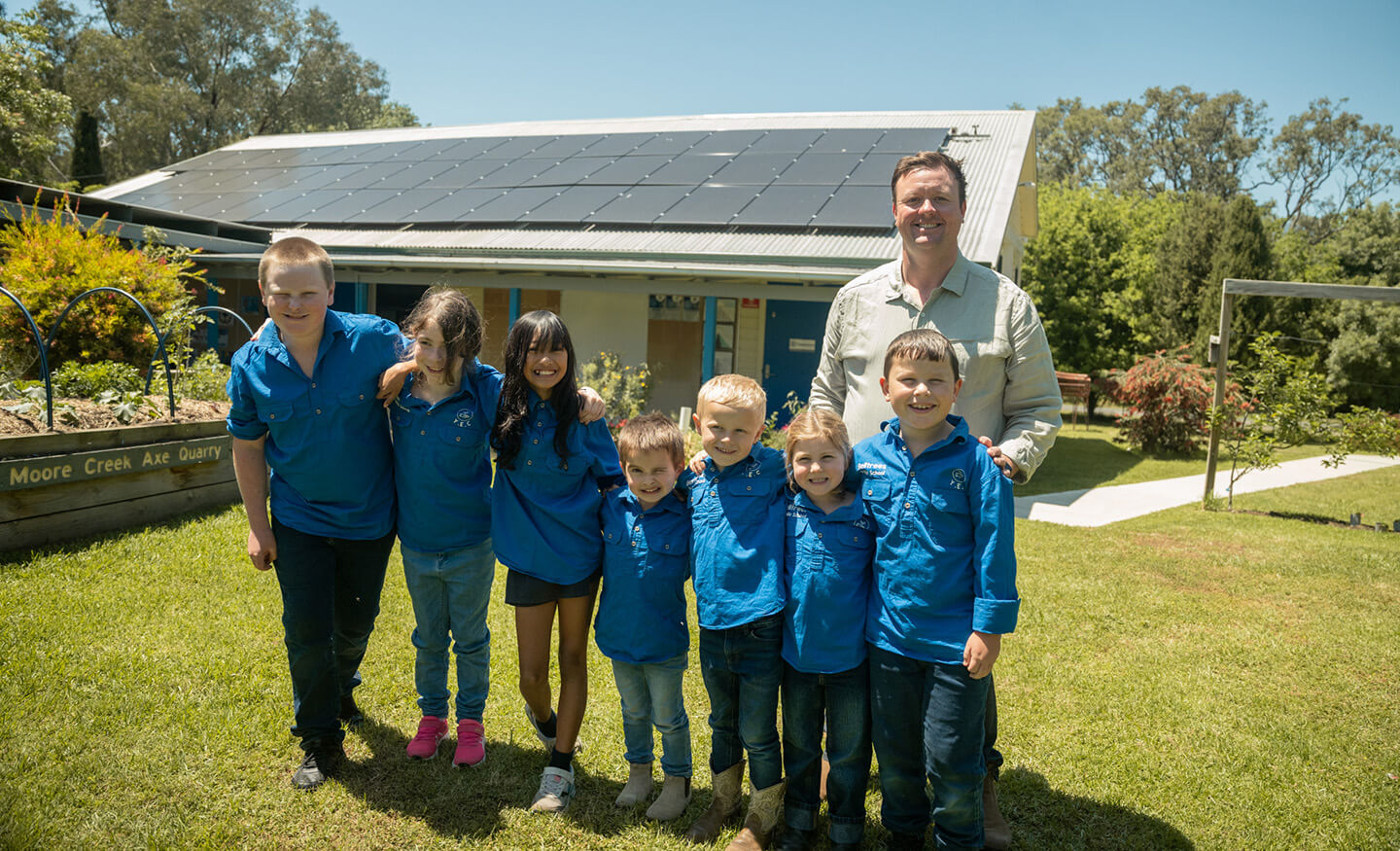
Climate change is a universal problem, and Shane wanted his students to know they could help manage it.
“These kids are the future. By 2030, they’ll be graduating and leading the push to net zero by 2050. Teaching them skills at a grassroots level helps them understand how our actions impact the world around us. Their education is much wider than their classroom.”
- Shane Roberts, Principal
Students: This is our worm farm!
These are our chickens!
These are the cabbages we grew.
Shane (principal): Belltrees is a shining example of what you can achieve through education, through reduction, and through inspiring future generations to take action on climate change and sustainability.
Phoebe (parent): The message here is that you can make great change by doing the tiniest of things.
Shane: Belltrees is about 40km east of Scone.
It is quite a unique location.
A very small community, a very supportive community, and therefore a very small school.
All right guys, let's go and do our jobs.
Tommy and Angus, can you go and check the eggs.
My name is Shane Roberts, and I’m the principal of Belltrees Public School.
2019 was about the fifth year of this area, the upper Hunter, being in severe drought.
It was the worst drought in about 100 years, and generally the landscape was pretty bare and barren.
We were trying to investigate ways that we can support the community in managing those problems.
So therefore we looked into things like regenerative agriculture and how we could make that a bit of a theme for the school.
Student: Luckily, there was a team of rag tag dedicated heroes at a school you will not soon forget.
Belltrees Public refused to accept defeat they decided to do something about it.
Shane: We've implemented a range of different projects, to increase our sustainability through solar panels, energy conservation strategies with the air conditioner and power
We’ve greened the space as much as we possibly can and different strategies to rehydrate the landscape.
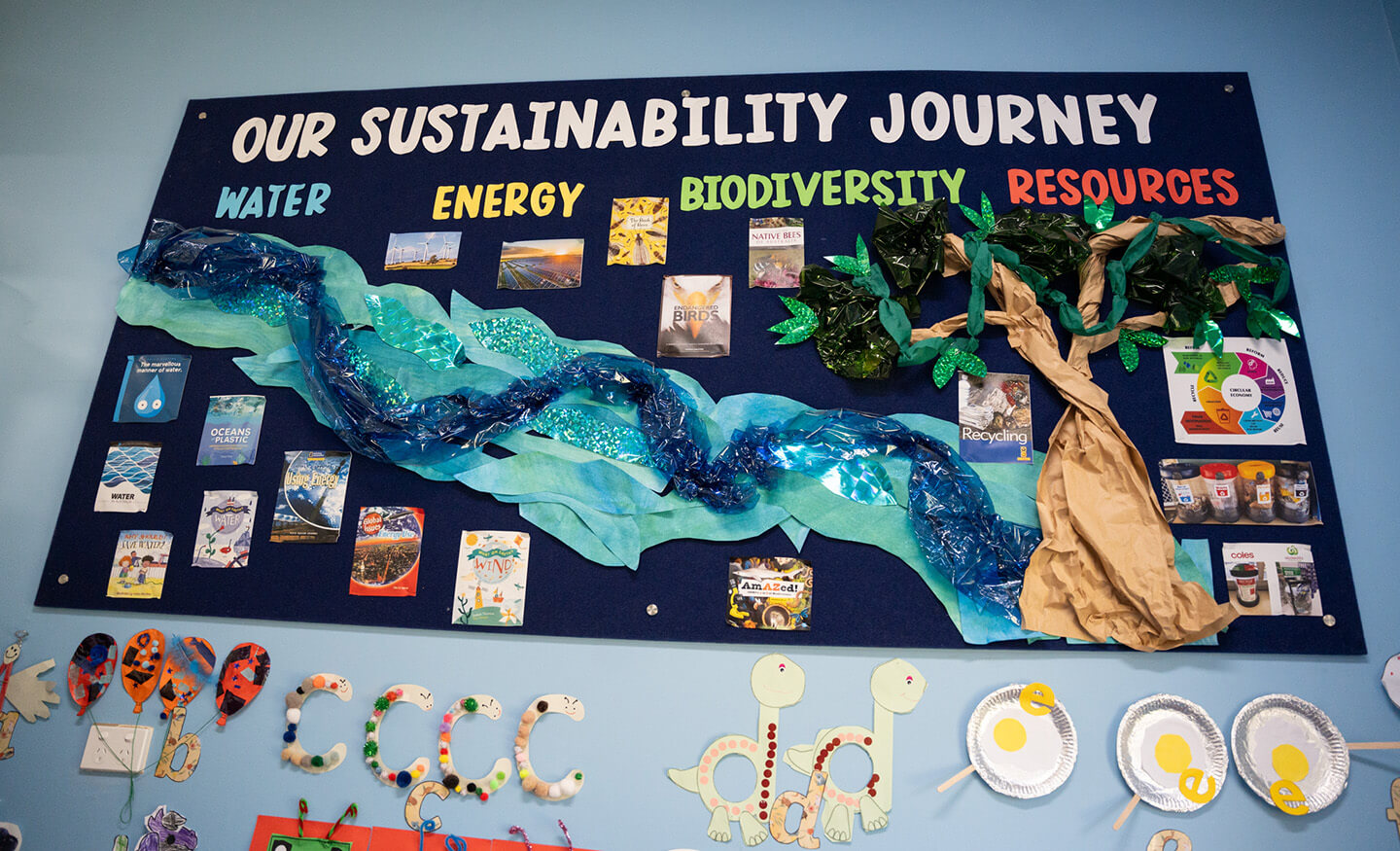
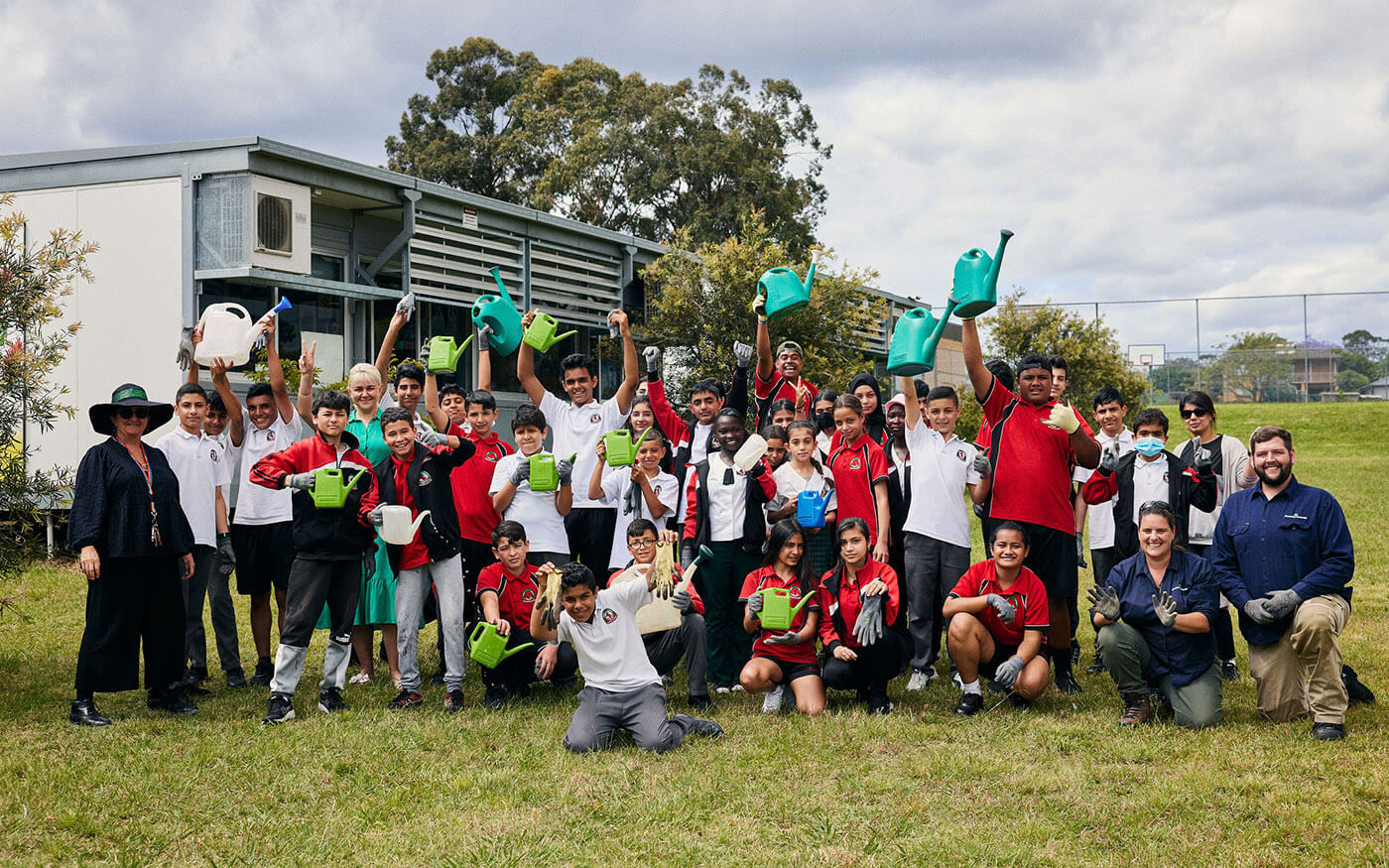
Compost and worm farms, and we've sort of started to develop those kids to take action with things like the garden beds around us here today and producing their own food.
Student: We're going to be planting this into the ground
Shane: I guess the outcomes are just multifaceted, the students definitely feel a greater sense of belonging and a greater meaning to what they do each day.
Beyond that, we've had the opportunity to sort of see the landscape transform.
Birdlife has returned, It's a much greener space.
Peter (grandparent): What Shane's done here gives students, kids, an opportunity to learn more about not just what's in the classroom, but what's out here.
And we all support that.
Phoebe (parent): Small things like learning how to harvest their own vegetable garden and then selling it into their broader community.
And then just opening those conversations with their parents at home.
Rob (Co-Founder, Zero Positive): The role of schools and principals, is incredibly important on the journey to net zero, because it's the place where we educate the next generation.
Shane: These are the kids that are going to be coming out of high school in 2030.
So when they're leading that 2050 drive for net zero, the skills and knowledge they've learned from a primary school setting, I look forward to seeing what they can achieve moving forward.
I think when people say that small things can't make a difference, they don't recognise the compounding effect.
The biggest bit of advice is start, no matter how small that action is.
Think about something that's achievable and get started.
Students: It all adds up to net zero!
Belltrees Public School has created a model for resilience, education, and environmental stewardship in their rural community.
A holistic approach to net zero
The students gain invaluable hands-on experience — learning to compost, conserve energy and care for animals. They’ve built worm farms, a greenhouse for seed propagation and irrigation systems for drought prevention. They put all this to use, growing and harvesting their own fruit and vegetables to share with the local community.
They play an active role in restoring their local environment, planting trees and shrubs to encourage biodiversity and create a vibrant, more resilient ecosystem.
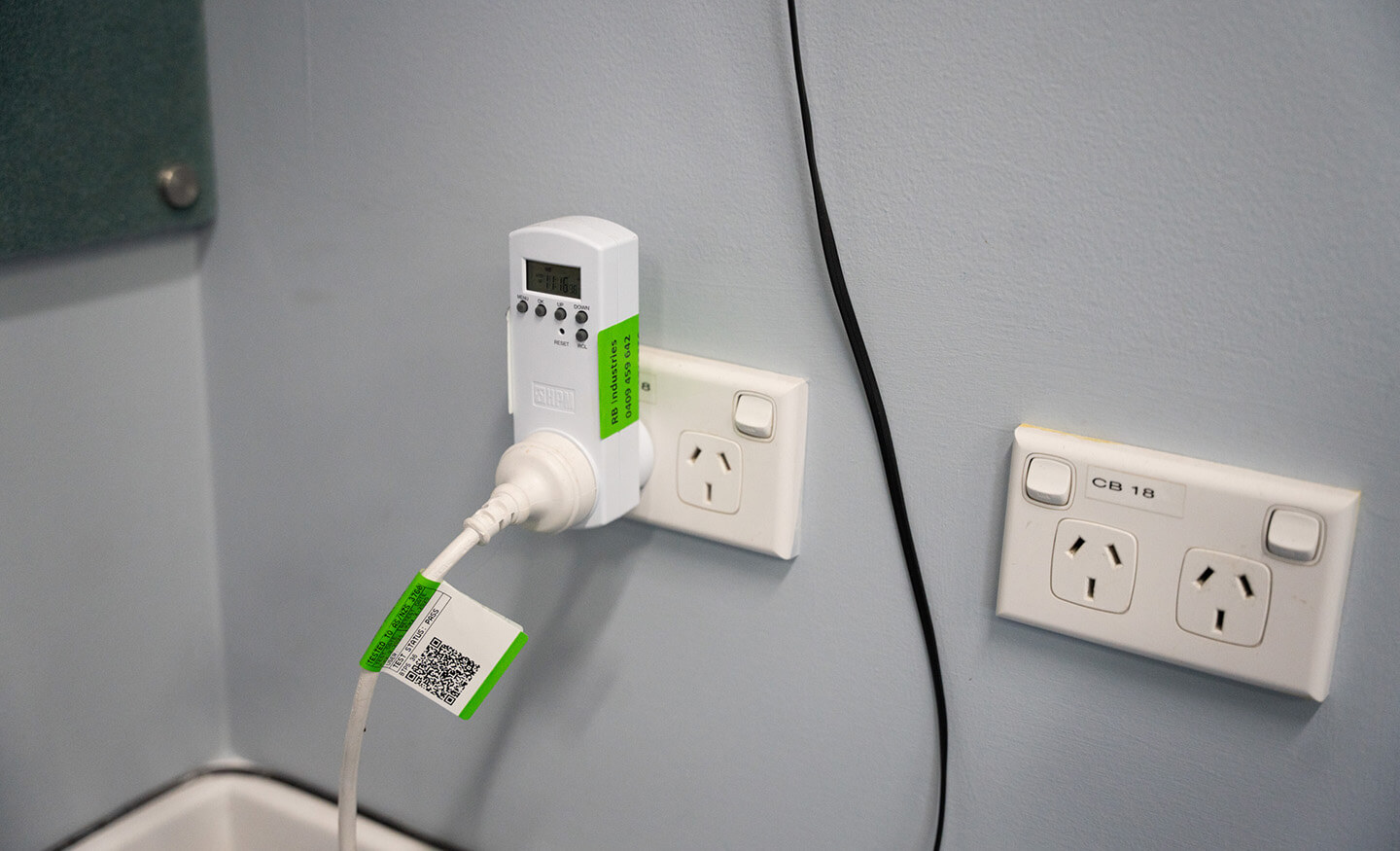
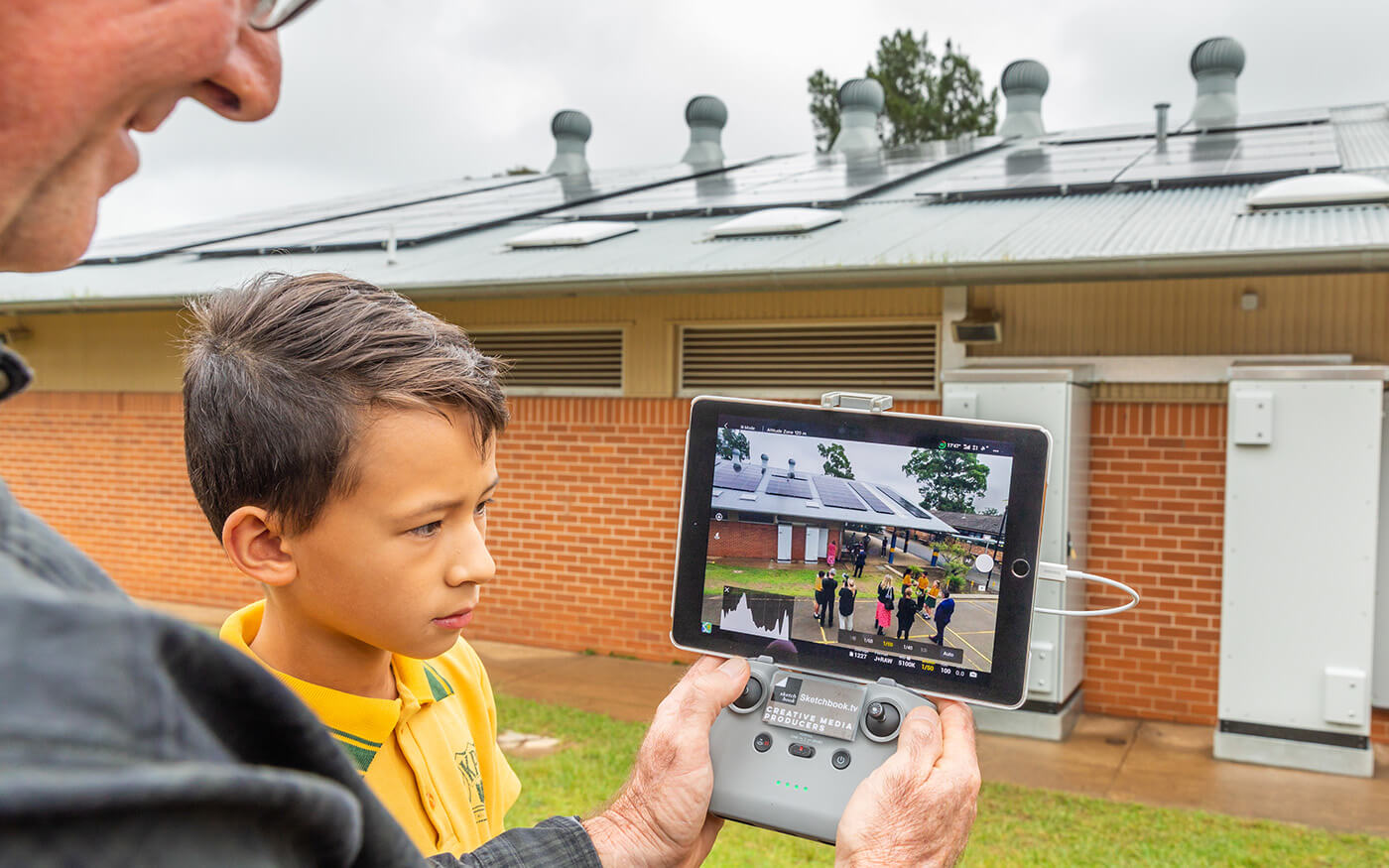
The school has installed solar panels, energy-efficient air conditioners, LED lighting and has implemented new routines with the children. These include turning off electronic equipment at the end of the day and monitoring the school’s energy use.
For those looking to go down the same path, Shane says “the best bit of advice is start, no matter how small that action is, be it composting or planting a garden bed, think about something that's achievable and get started.”
Shane has noted the impact on the students’ mental health since he implemented the environmental education program in response to the severe drought in 2019. Seeing how the children were reacting to the struggles of their farming families, it was important to empower them to make positive change.
“The students definitely feel a greater sense of belonging and a greater meaning to what they do each day,” reflects Shane. “That's allowed them to feel more included with a more action driven focus to their learning.”
The power of small changes
Rob Breur, the co-founder of Zero Positive, has been working with the school to monitor the school’s energy use since 2022. “If you look at their data, they get around the 10 to 15% reduction just by turning standby devices off,” says Rob. “You reduce energy, you reduce cost.”
“I think that the message here is that you can make great change by doing the tiniest of things. Individual action collectively adds up. There are 9,542 schools, roughly, in Australia, and combined they make one of the biggest emitters of CO2 in the country.”
Rob reflects on the role of schools like Belltrees and principals like Shane. “They're educating the future generations that are going to inherit this problem. It allows those generations to understand and take action on climate by taking simple actions like turning things off at the wall.”
A community effort
Staff, local farmers and businesses have responded passionately to the school’s projects. Some assisted with decision making, such as determining a water saving strategy. Others volunteered machinery and labour to carry out more difficult tasks such as excavating. Many also contributed through various donations.
“Such large changes would not be possible without the help of the community.” says Shane. “The school partners with local farmers to guide them through major developments.”
Shane has also accessed numerous avenues of funding and information to support this transformation. These include the NSW Department of Climate Change, Energy, the Environment and Water, the NSW Department of Education, and Landcare.
The result is an environment that the kids can thrive in, with the landscape transformed.
Recognition for their success
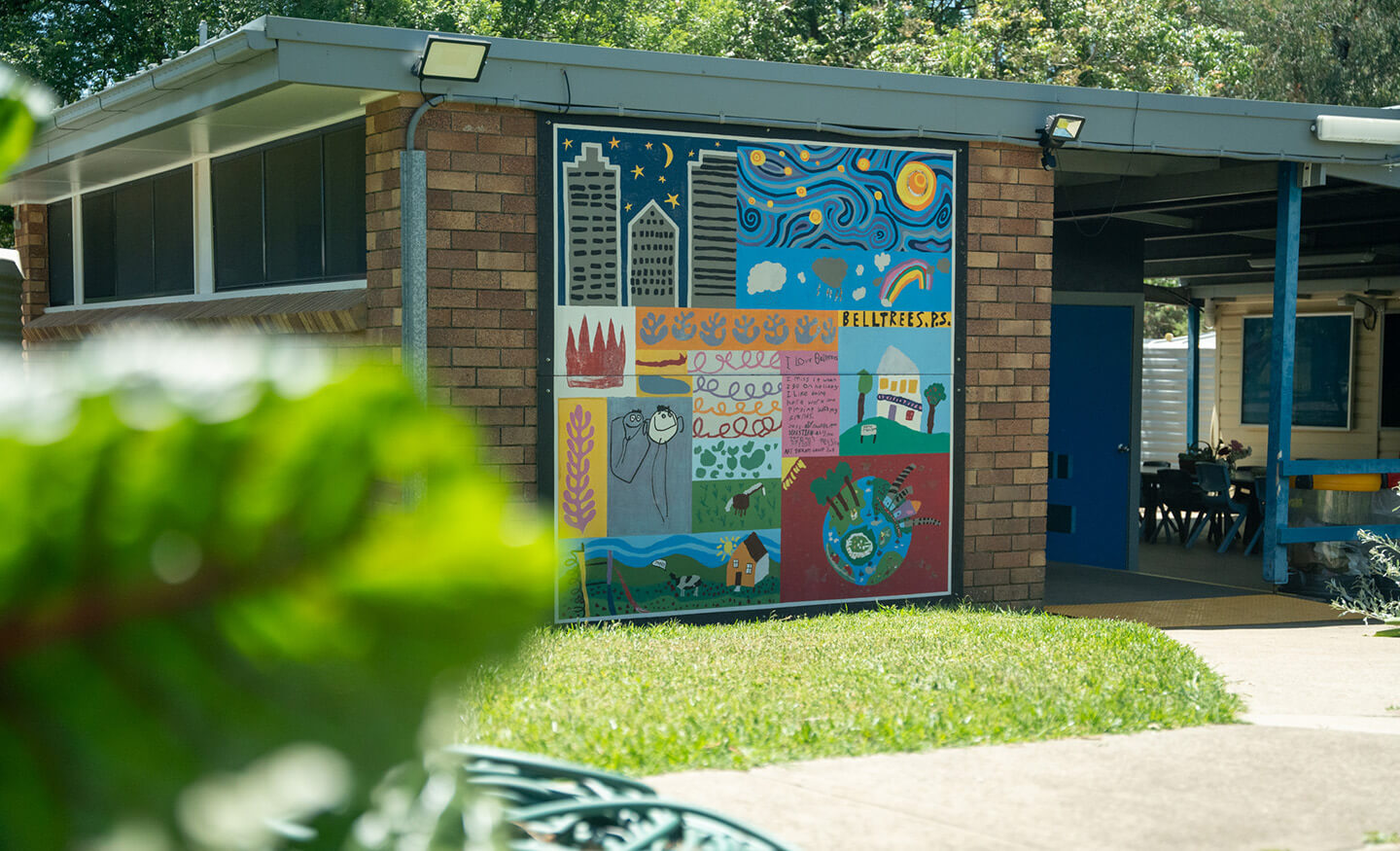
The efforts of the school and its students have not gone unnoticed. Minister for Climate Change, Energy, the Environment and Heritage, Penny Sharpe presented the school with her Minister’s Young Climate Change Champion Award at the 2023 NSW Sustainability Awards. Landcare has also used the school’s conservation work as a shining example to other regional schools in their presentations and neighbouring schools have visited to see first-hand how they could follow in their footsteps.
It all adds up to net zero
More stories

Our hands on water efficiency program is equipping teachers and students with skills to conserve water in schools.
Schools are a great place to start when it comes to showcasing the benefits of nature in cities.
In schools across NSW, passion for sustainability initiatives has ignited the spirits of parents and children alike.