Celebrating Indigenous culture and ecological education along the Great West Walk
12 December 2024
Created in partnership with local First Nations organisations, including Muru-Mittigar and Nepean Community and Neighbourhood Services, the Bush Food Trail (Trail) integrates environmental sustainability with First Nations cultural awareness.
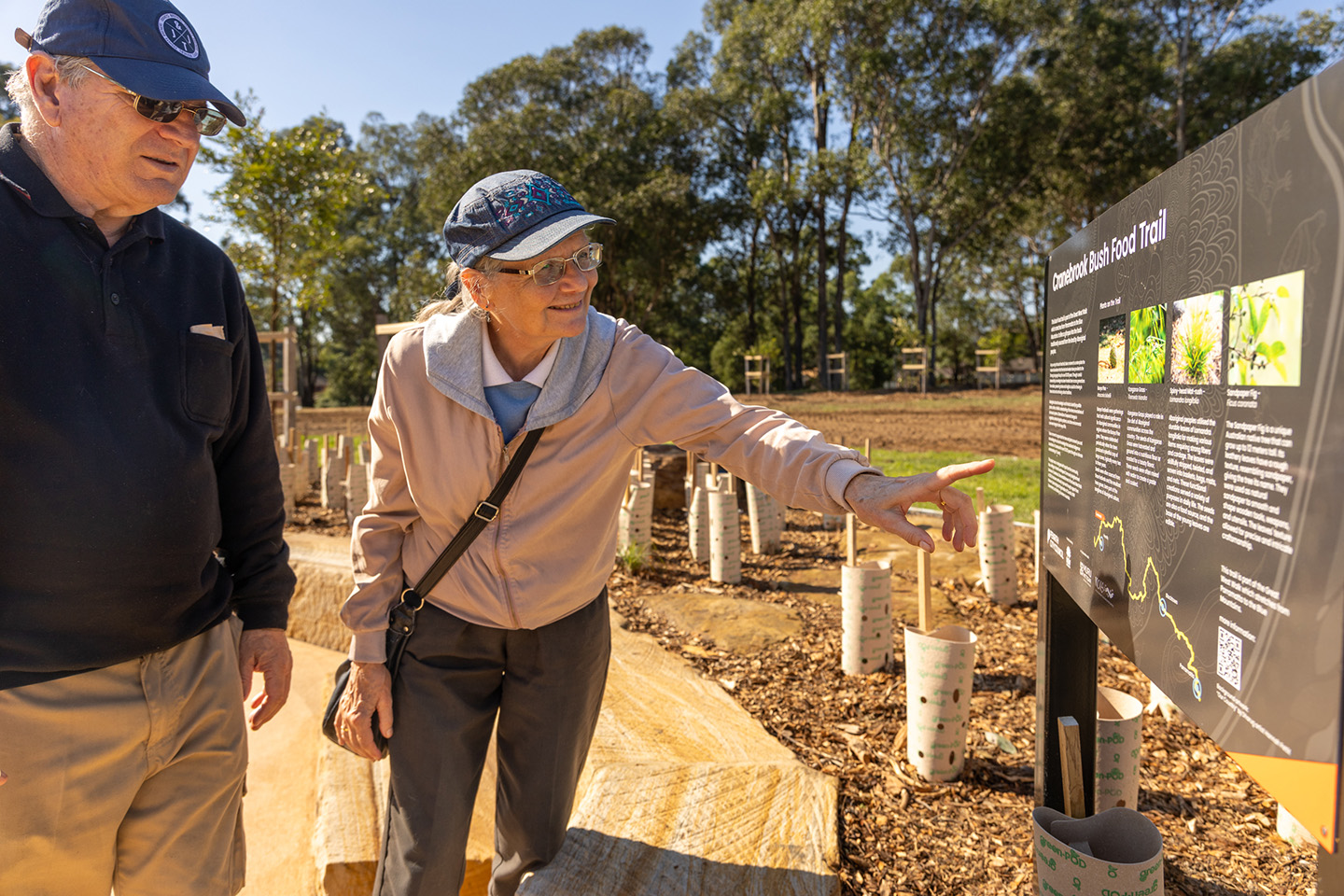
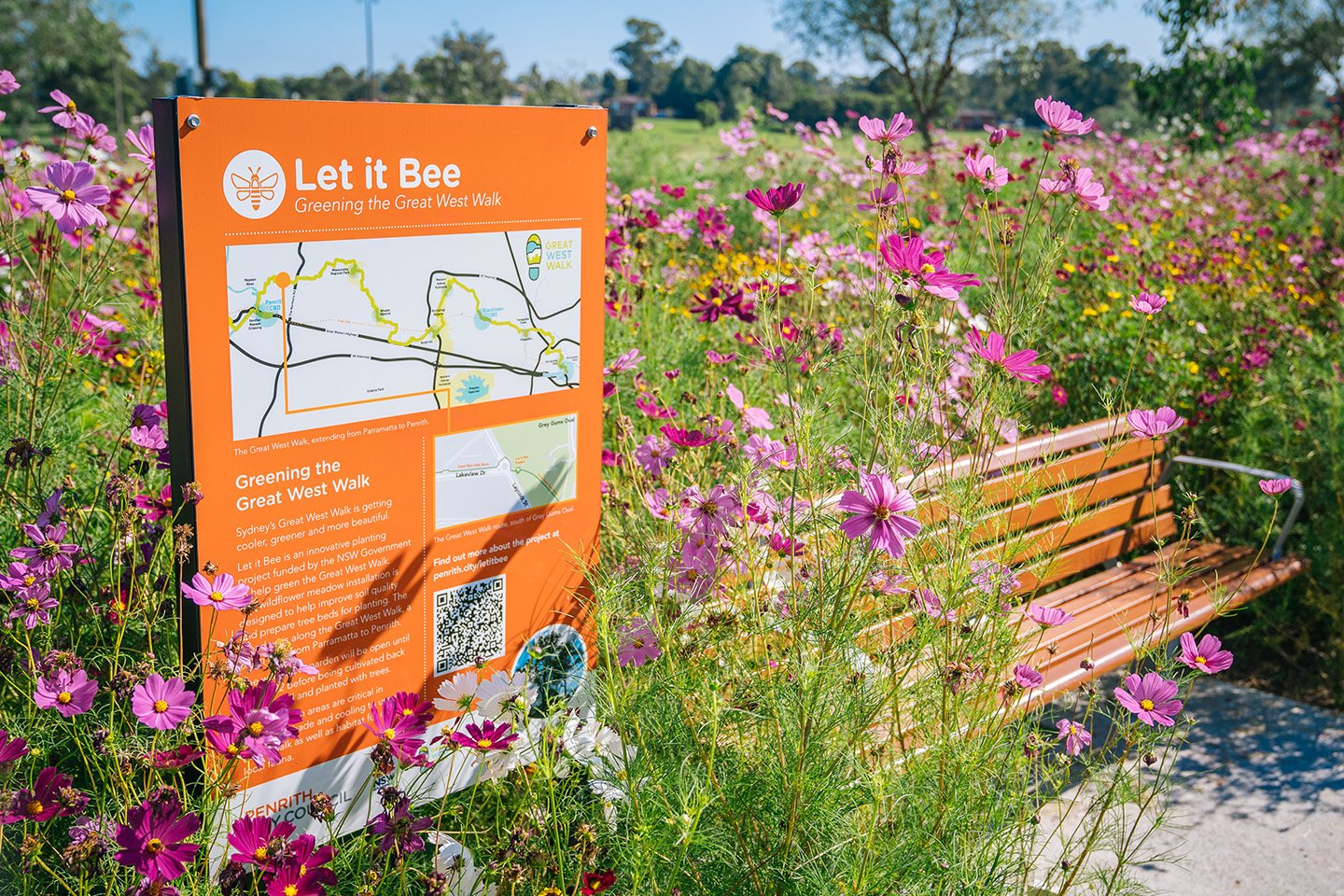
Stretching across lands traditionally owned by the Dharug Language Group, the Trail is part of the Great West Walk – a 140 km walking route stretching from Parramatta to the Blue Mountains.
It was funded by the NSW Government and Penrith City Council through the Greening the Great West Walk program.
A cultural experience
Visitors to the Trail can explore how native plants were used by First Nations peoples. For instance, the Bunya Pine played a role in ceremonial gatherings, while Kangaroo Grass was ground into a nutritious flour. Spiny-head Mat-rush was crafted into various items like baskets and mats, and Sandpaper Fig was used as natural sandpaper for smoothing tools.
“We wanted the Bush Food Trail to provide insight into the knowledge of First Nations peoples — specifically the Dharug Language Group — and how they’ve thrived in Cranebrook for over 50,000 years. The signage provides information about the plants and their significance and use to Aboriginal communities in our region.”
- Penrith Mayor Todd Carney
Urban cooling
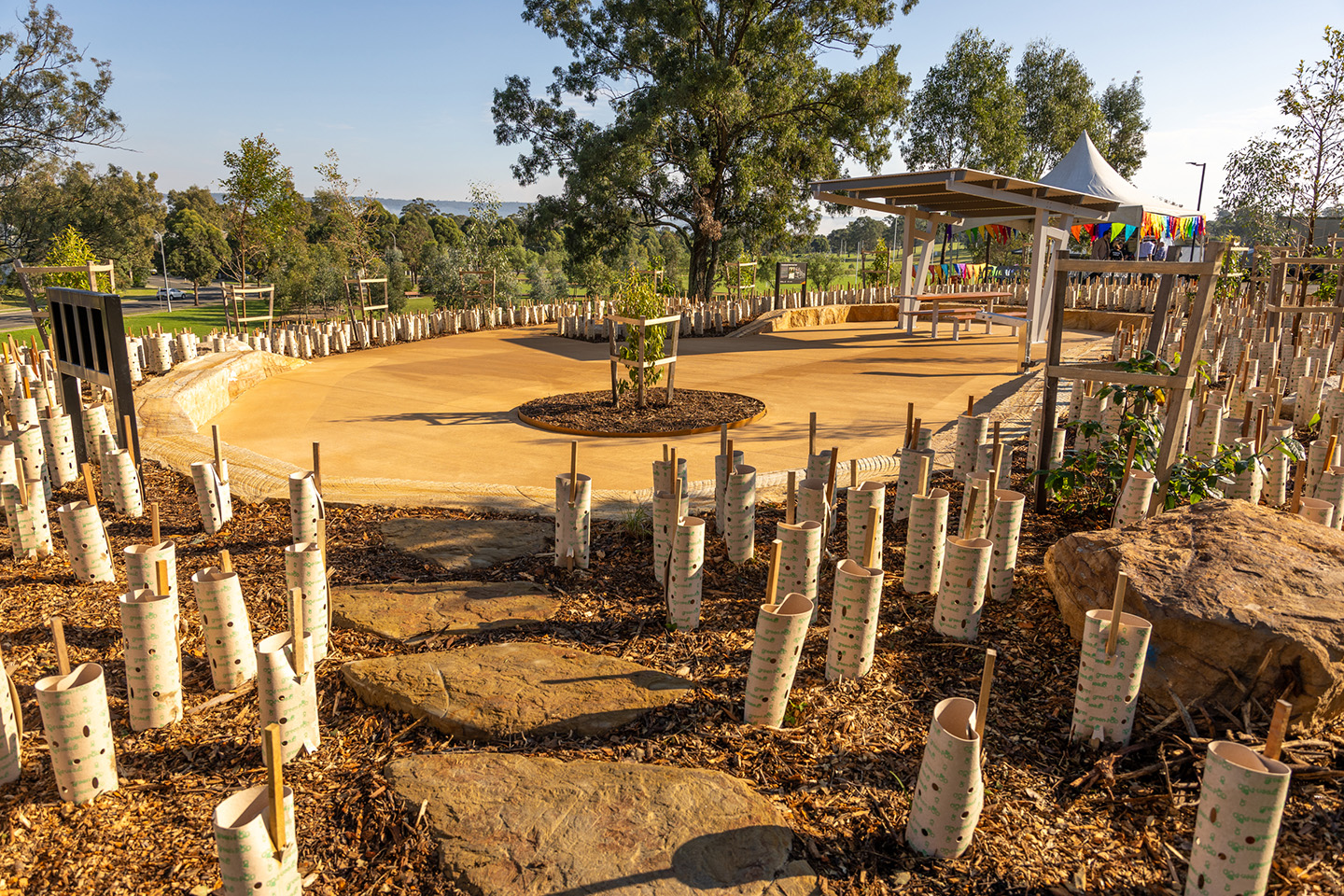
Tree and understorey planting along the Trail are also instrumental in cooling the urban environment, offering shade and supporting local biodiversity.
Key takeaway
By mitigating temperature increases in urban areas, the Bush Food Trail contributes to local climate resilience, showcasing how urban greening can be a tool for adapting to climate impacts while celebrating cultural heritage.
Community feedback highlights the Trail’s success, with locals praising its low-impact design and its dual benefits for education and the environment. The enthusiasm for this project underscores a broader interest in creating more spaces that celebrate cultural heritage and promote ecological stewardship.
The Trail connects visitors with the region's natural history and First Nations heritage while actively contributing to climate adaptation strategies. It stands as model of how urban greening initiatives can celebrate and preserve our natural environment and cultural heritage, setting a precedent for future urban and environmental planning efforts.
More stories

Restoring riverside habitat at Camden Town Farm
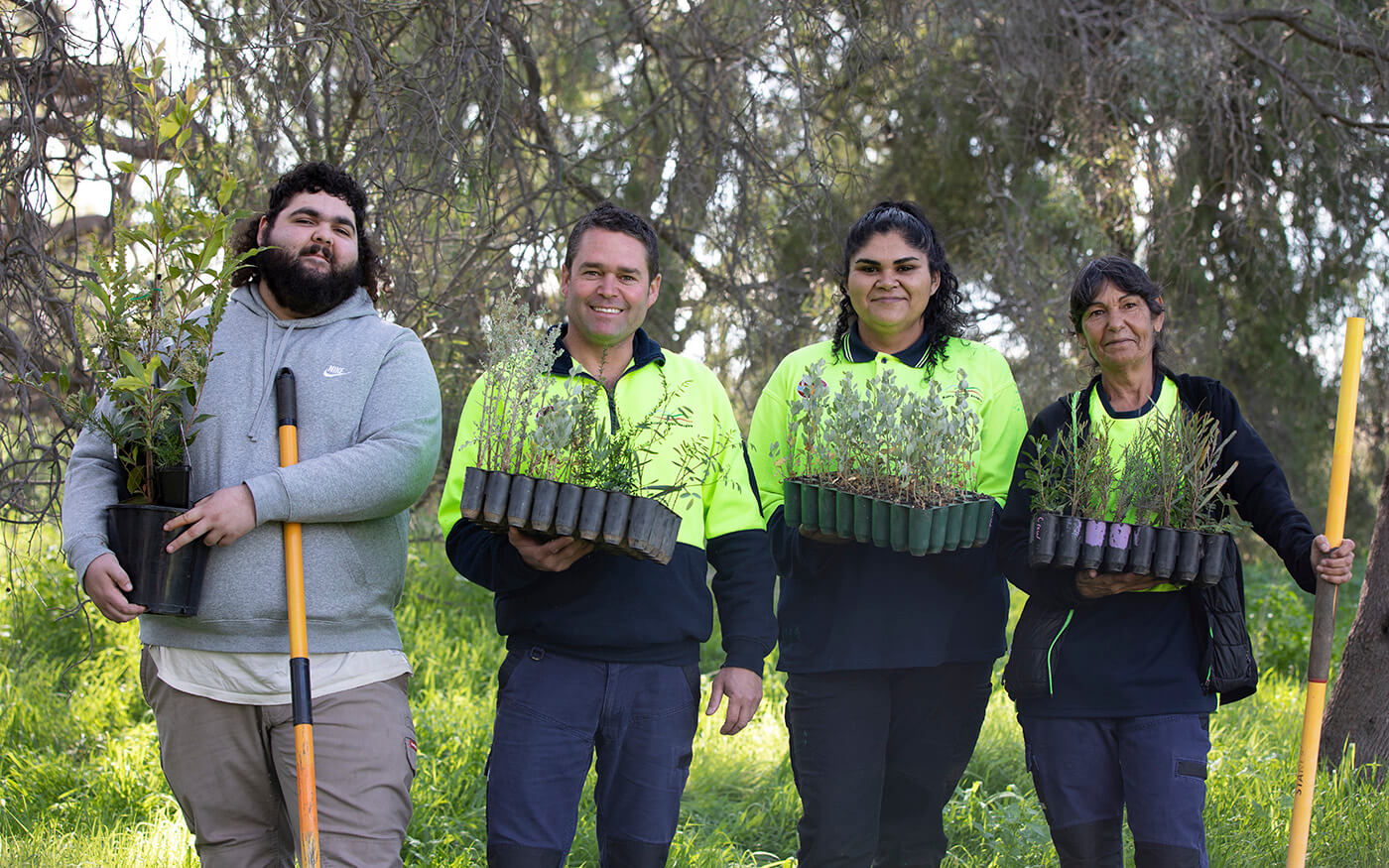
Carbon farming projects can provide a pathway for First Nations communities to care for Country and get paid for it.

When smoke was reported drifting from the Black Springs Trail within Oxley Wild Rivers National Park on 27 December 2024, the National Parks & Wildlife Service (NPWS) acted swiftly.