CATO drives ahead with NSW EV fleets kick-start incentive
18 December 2025
CATO Group is a traffic management and logistics company that supports film, television and major events across New South Wales and Queensland, with their main office in Sydney. As part of its sustainability goals, the business wanted to explore cleaner and more efficient ways to run its operations.
Peter Murray: We’d definitely been thinking about purchasing EVs for our fleet, but seeing the Kick-start incentive, that turned it into a game changer, it was a no brainer to go ahead with it.
[Text on screen: Stories of EV success: Australian Amalgamated Terminals, Cato Group, PM Electric]
[Text on screen: Peter Murrary, General Manager, PM Electric]
My name's Peter Murray. I'm the General Manager of PM Electric. We're a Sydney based electrical contractor, medium size.
[Text on screen: Kieren Cato, Managing Director, Cato Group]
Kieren Cato: My name is Kieren Cato and I am the Managing Director of Cato Group. We provide traffic management, security and safety services.
[Text on screen: Evan Wissell, Port Kembla Terminal Manager, Australian Amalgmated Terminals]
Evan Wissell: Hi, I'm Evan Wissell, I’m the Terminal Manager for Australian Amalgamated Terminals in Port Kembla. We operate a facility, handling up to 500 vessels per annum.
Peter: I’ve been looking at adding EVs to our fleet for quite some time. We already had two EVs but, more recently, the technology and the quality of vehicles the offers, the things on offer, have been greatly increased.
Kieren: We have seen a significant drop in terms of the amount of fuel usage. It’s a much cleaner way of doing business.
[Text on screen: Brodie Arabi, Logistics Manager, Cato Group]
Brodie Arabi: We as a company wanted to expand into EVs, just for the pure sustainability of it. Having the Kick-start incentive there, really pushed us to make that final step.
Evan: AAT in Port Kembla is an early adopter of EVs, and we're progressing even further into that field. It’s an important part of understanding the environment and planning for the future.
[Text on screen: Matt Deuchar, enevi (EV charging consultant for PM Electric)]
Matt Deuchar: The vehicles do have less maintenance. There's no special trips to the petrol station. We just charge when it's convenient.
Brodie: We have two chargers behind me, just behind these two vehicles here. They take about three to four hours to charge each vehicle. We leave them on overnight usually once the jobs are finished and they’ll get charged by the morning.
Peter: When I looked at the actual operational costs and the fuel costs, they're so much cheaper to run.
Brodie: Yeah, the process of applying for the Kick-start incentive was really easy. I just spoke to one of the charger suppliers that we got to put our chargers in. He sent me a link to a website, and then we started the process from there and it was just a simple paper application.
Evan: From application to the funding being received was approximately 30 days.
Matt: The Kick-start incentive was a big decision maker for PM Electric to transition over to EV. It really enabled us to move forward, provide that simple, accessible charging for our users.
Evan: I think the New South Wales Government Kick-start program is a valuable incentive to get people
on the road to adopting EVs.
Peter: Have a good look, and if you're a fleet buyer, grab the incentive while it’s there. It’s definitely the way to go.
[Text on screen: Search EV fleets incentive Kick-start funding to learn more]
CATO's top tips
- Use government incentives to take the first step toward electrifying your fleet
- Start small to test how EVs perform in real work conditions
- Install charging at your workplace to make daily operations simple
CATO Group is a traffic management and logistics company that supports film, television, major events and the civil and construction sector across New South Wales and Queensland. The business plays a key role behind the scenes of large productions and events.
CATO was founded in 2012 and has over 200 employees and a fleet of utes, vans and trucks. As part of its sustainability goals, the business wanted to explore cleaner and more efficient ways to run its operations.

The NSW Government EV fleets incentive kick-start funding helped CATO to purchase a new light commercial electric vehicle and install a new charger at their Marrickville headquarters.
“The kick-start funding made it possible to move faster. We had been talking about EVs for a while, but this gave us the push we needed to make it happen.”
– Kieran Cato, Managing Director of CATO Group
EVs deliver efficiency and sustainability
CATO’s vehicles are in constant use across NSW, often driving in busy stop-start conditions. The company needed vehicles that could handle daily runs between production sites, clients and storage facilities while reducing fuel use and emissions.
“We are on the road all day moving people and gear around the city. Reliability and practicality were the biggest questions. We needed to be sure any new EVs could do the work.”
– Brodie Arabi, Logistics Manager
CATO also had to plan how charging would fit into existing operations without disrupting workflow or adding cost.
“The range is more than enough for a full day’s work,” he explains, “it is saving us time and money and fits straight into our workflow.”
The company received funding to install a new charger at their Marrickville depot and developed a schedule to manage charging overnight. The vehicle is now used daily for equipment deliveries, site visits and on-location support.
“Most of the time we charge at the depot overnight,” says Brodie. “The van is ready to go in the morning and we have had no issues with range. It is also very quiet which makes a big difference on set.”
Easy process makes for simple first step
CATO applied for the NSW Government EV fleets incentive kick-start funding after learning about it through a business network. The process was simple and the funding arrived quickly once approved.
“We were surprised by how straightforward it was. You apply online, submit your fleet details and quotes and once approved the funding is there. It’s a great way to take the first step.”
– Kieran

Think big but start small
The new EV has already reduced running costs and improved CATO’s environmental performance. Staff have responded positively, noting the comfort, technology and quieter operation.
“The response from the team has been great,” says Kieran. “The van is easy to drive and people like the technology and the lower noise. It’s good for our brand too because it shows our clients we are serious about sustainability.”
CATO’s experience shows that transitioning to EVs is achievable when you plan early and make use of available support. Installing workplace charging was a key step that made the change easy to manage.
“Installing a charger at our base was key,” says Kieran. “You have to make charging part of your operations. Once it’s in place it becomes routine.”
The team encourages other businesses to start small and test what works.
“The incentive is a great way to pilot EVs and see what fits your business,” says Brodie. “Start with one or two vehicles, learn from it and then grow.”

CATO plans to expand its EV fleet over the next two years as more commercial models become available. The company will continue to monitor performance and share its experience with others in the industry.
“We have proven the vehicles can do the job,” says Kieran. “The next step is scaling up. For us it is about showing leadership and helping normalise EVs in the commercial space.”
Support programs from the NSW Government
More businesses transitioning their fleets to EV

TAFE NSW is taking major strides toward a cleaner transport future by embracing electric vehicles (EVs).
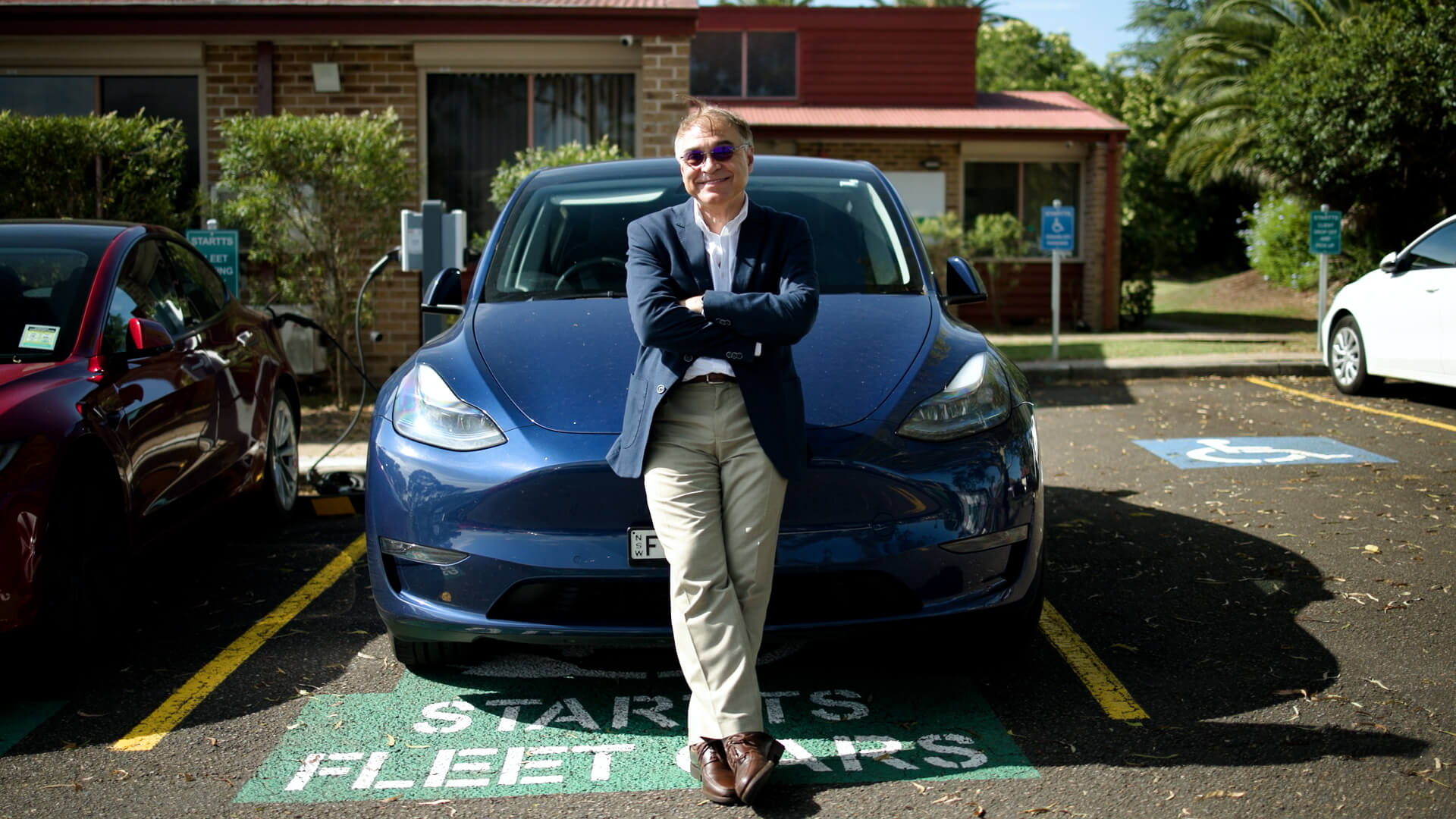
STARTTS, the NSW Service for the Treatment and Rehabilitation of Torture and Trauma Survivors, is a purpose-driven organisation that is unlocking cost benefits and living their values by transitioning to an electric vehicle (EV) fleet.
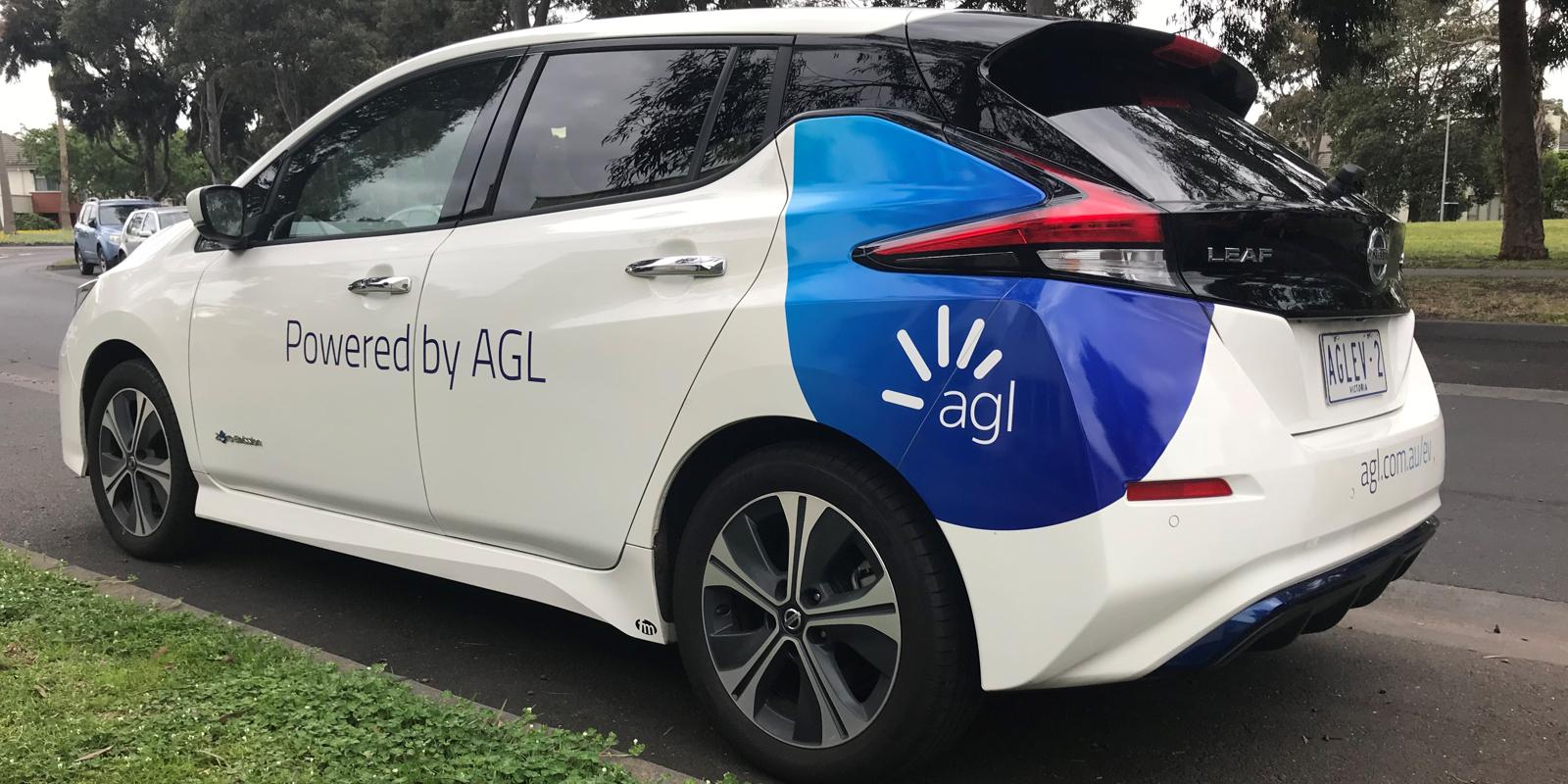
As the first Australia signatory to the EV100 program, AGL has committed to electrify 100% of their light vehicles and 50% of their industrial vehicles by 2030. This will help increase demand and make EVs more affordable.