Belrose Battery storage
02 December 2024
The NSW Government is embarking on a groundbreaking project to repurpose the old Belrose landfill site into a state-of-the-art Battery Energy Storage System.
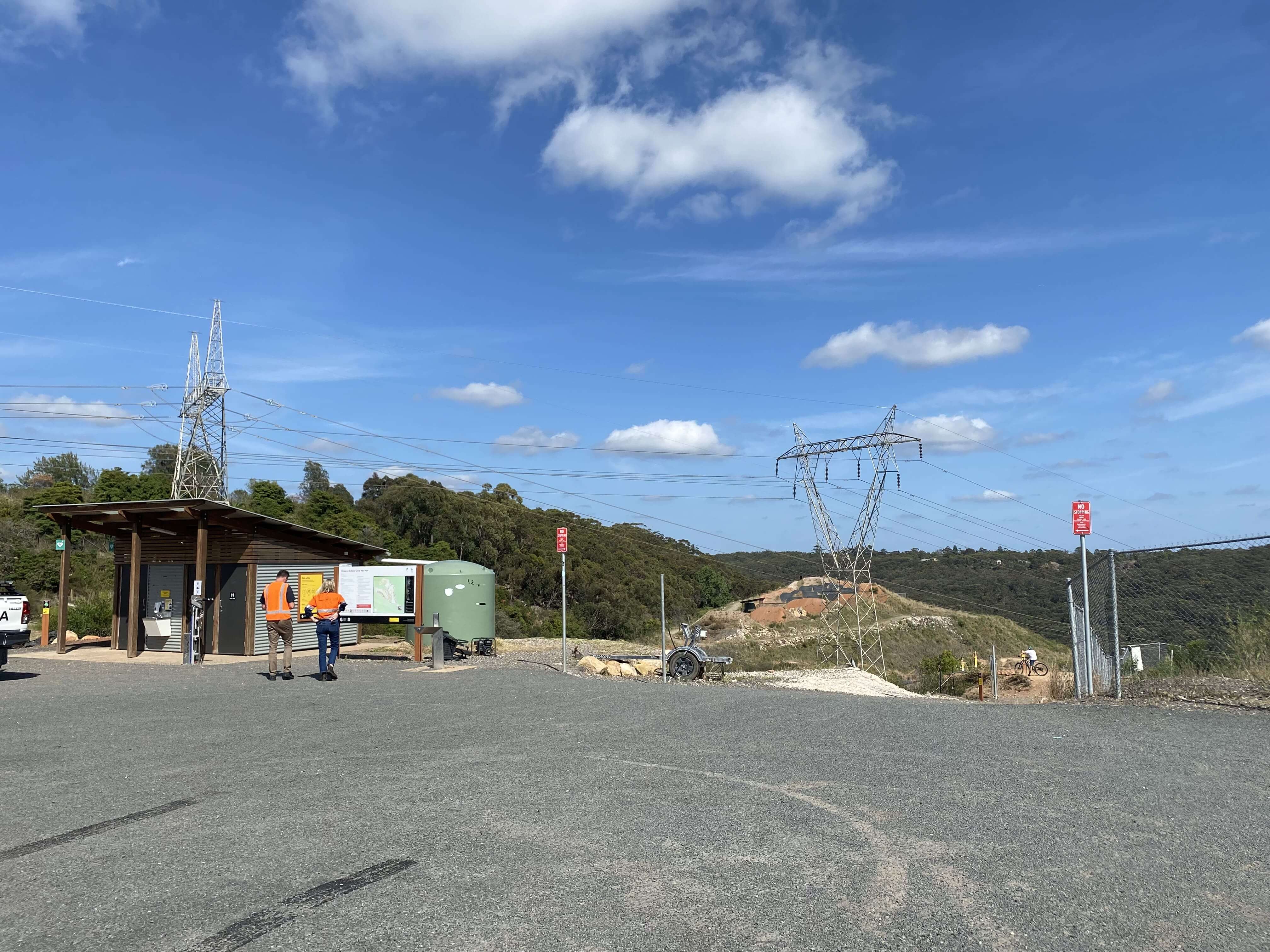
The Belrose system has a large capacity of up to 14.2 MW.
Given the average NSW home uses about 6,500 to 7,000 kWh annually, this capacity could theoretically power around 17,800 to 19,200 homes for a year, if it were all used to power homes.
Improving grid stability
This new facility will help keep the electricity grid stable and support the grid during peak demand. It will also improve local power quality by enabling the supply of renewable energy when fossil fuel sources would normally dominate the grid supply.
For residents across NSW, this means more reliable electricity and potentially lower energy costs.
From a wasted asset to a revenue source
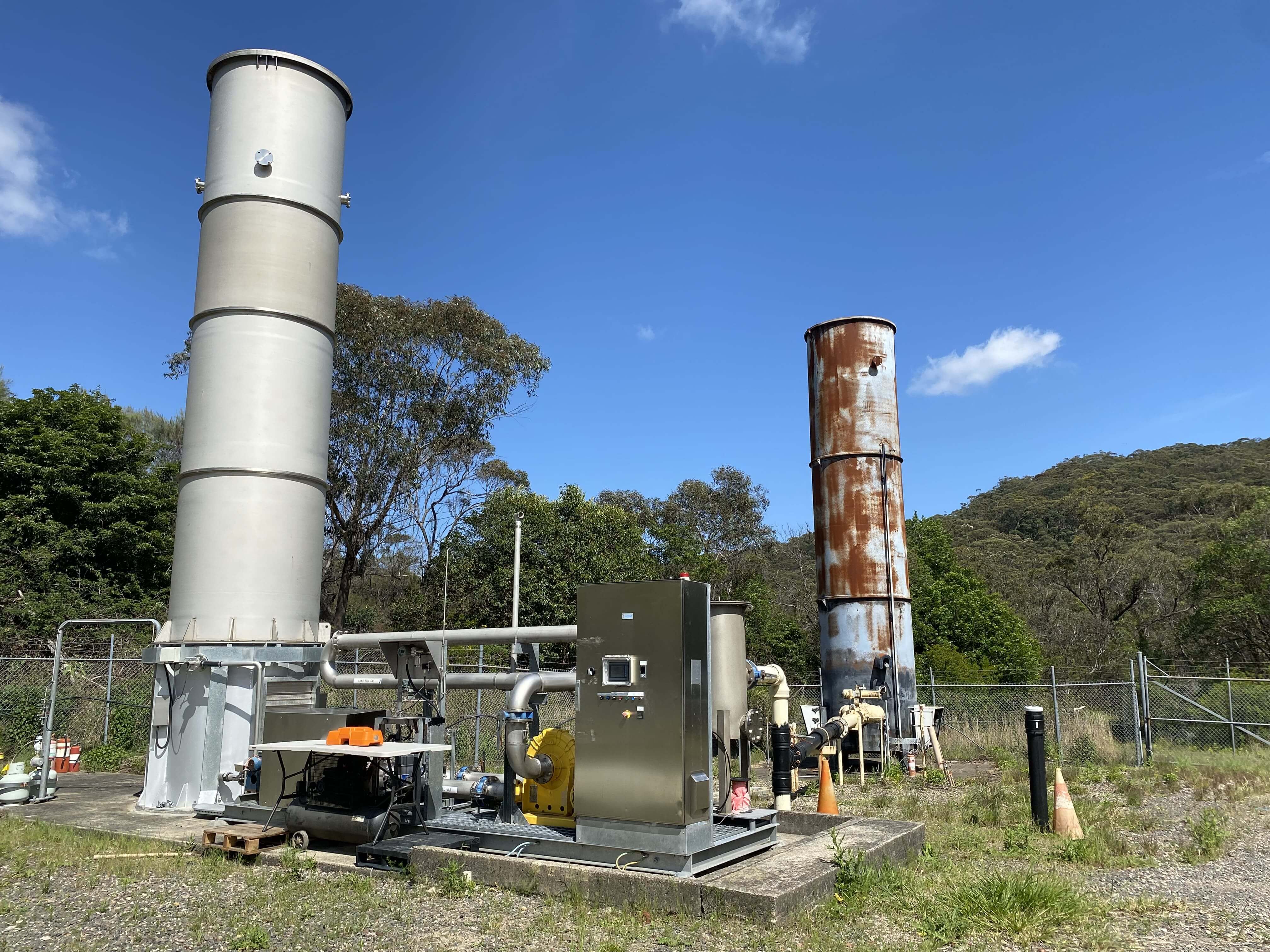
Once landfill sites are closed, they have very few uses. They are capped and need regular maintenance, emitting methane gas as organic waste decomposes, and providing little economic or practical value.
NSW Waste Asset Management Corporation is leasing the Belrose site to a private developer through a competitive tender process. The developer will oversee the construction, operation and maintenance of the Battery Energy Storage System.
Revenue from this lease will cover methane flaring costs and fund the rehabilitation of other closed landfills across NSW.
The Belrose project shows how the NSW Government, NSW Waste Asset Management Corporation, technical experts, and private developers are working together to reuse government land for renewable energy.
Next steps
The NSW government has made their decision on the Belrose developer. The awarding of the contract in 2024–25 will be a significant step toward a cleaner and more affordable energy future for NSW.
This approach addresses environmental concerns while creating local job opportunities and stimulating local economic growth by developing new skills in the renewable energy sector.
It shows how unused, unproductive government land can be turned into valuable community resources while advancing our net zero goals.
It all adds up to net zero
More stories
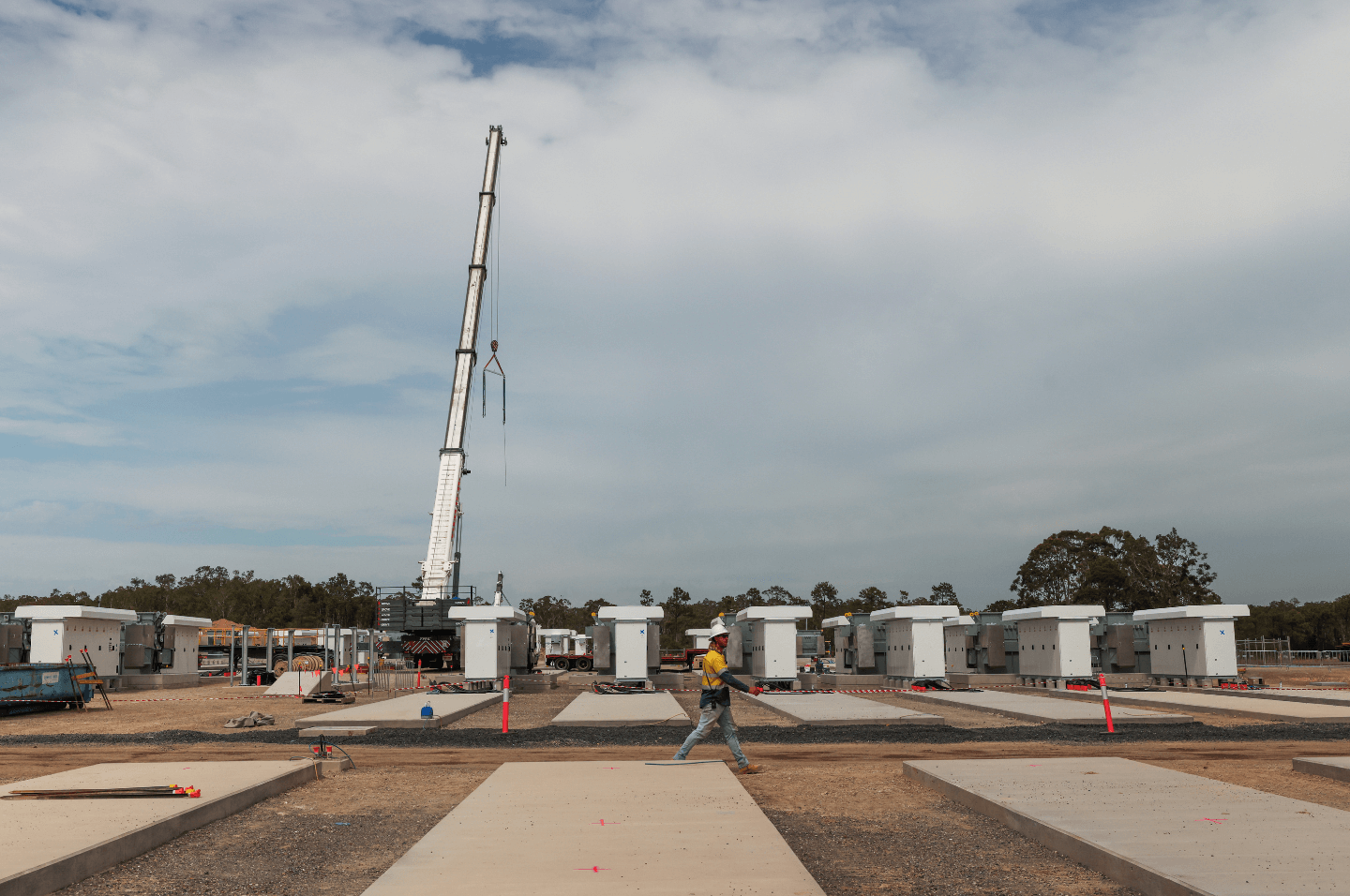
The Waratah Super Battery will be one of the largest battery energy storage systems in the world, and it is being built right here on the Central Coast of NSW.

As the largest healthcare provider in NSW, Hunter New England Local Health District (HNELHD) is taking ambitious climate action, aiming to become carbon and waste neutral by 2030.
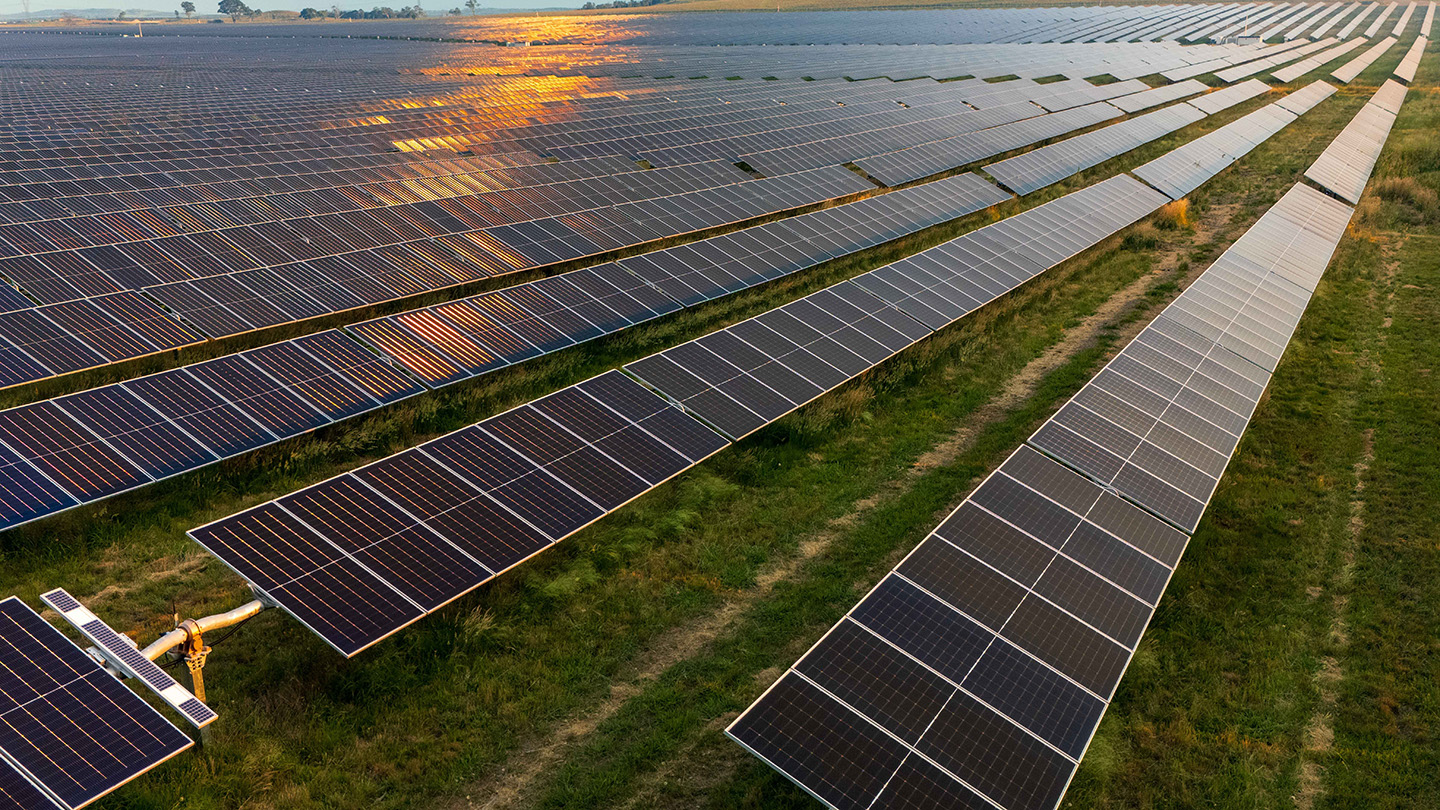
The New England Solar project, in the NSW New England region, will power about 300,000 average Australian homes each year.