Grazing innovations key to Wilmot’s healthy soils and pastures
02 July 2025
Elevated 1200m above sea level in the NSW Northern Tablelands, Wilmot Cattle Co. is leading the charge in holistic grazing practices that accelerate soil carbon storage, and profits. Learn about their journey from adopting cloud-based software, to welcoming income from carbon credits.
The Wilmot way
When Alasdair MacLeod acquired Wilmot in 2008, he was surprised to find the manager using outdated computer spreadsheets to run the property. When a computer malfunction wiped crucial grazing data, he knew something had to change. Having enjoyed a successful finance career before taking over the family farm, Alasdair started examining the bigger picture.
Smaller paddocks mean more flexible grazing
For Wilmot, this involved sub-dividing paddocks, grazing them more intensely for shorter periods and allowing longer pasture rest and growth periods between cattle grazing. These new practices were guided by cloud-based software, the Maia Grazing Tool, which snapshots real-time data of livestock numbers, grazing positions and rainfall. Digital tools like this are revolutionising how farmers can maximise pasture yield, soil carbon and productivity, by enabling real-time adjustments to grazing decisions. Alasdair’s vision has paid off. Today, Wilmot is a national leader in sequestering soil carbon.
Stuart Austin: So we're really grateful and humbled for the support of the New South Wales government through this high impact partnerships grant.
There's been some very early innovators and we're now at the early adopter stage and the people that are going to participate in this project will very much fit in that early adopter category.
Scott Brown: In a very, very short space of time, couple of little trial spots, there's species of grasses that I didn't even know still lived coming back up. So better management of the whole feature, stock health, the whole box and dice
Graham Finlayson: We want to be drought resilient in one of the most drought prone regions in the country and I think we can do that.
We're fully aware of what we need to do to make it work.
Stuart: So the benefits we're seeing from a farming perspective has been more resilience in our pastures and our soil health. So we're seeing more sustained, more consistent pasture production, month-in, month out. From summer to autumn to winter to spring. Through drier years, through wetter years.
Scott: If you're considering going into a soil carbon project, get some professional advice. Preferably someone that will come on farm and look at your own situation. We are all different. I'm only a small producer. It's not only just for the big guys.
Stuart: Our role at Wilmot Cattle Company will really be to support and mentor other participating landholders. I'm excited by that opportunity to help them demonstrate to their community that these soil carbon projects can be successful so that we can see a greater uptake of soil carbon project around New South Wales.
The importance of soil carbon
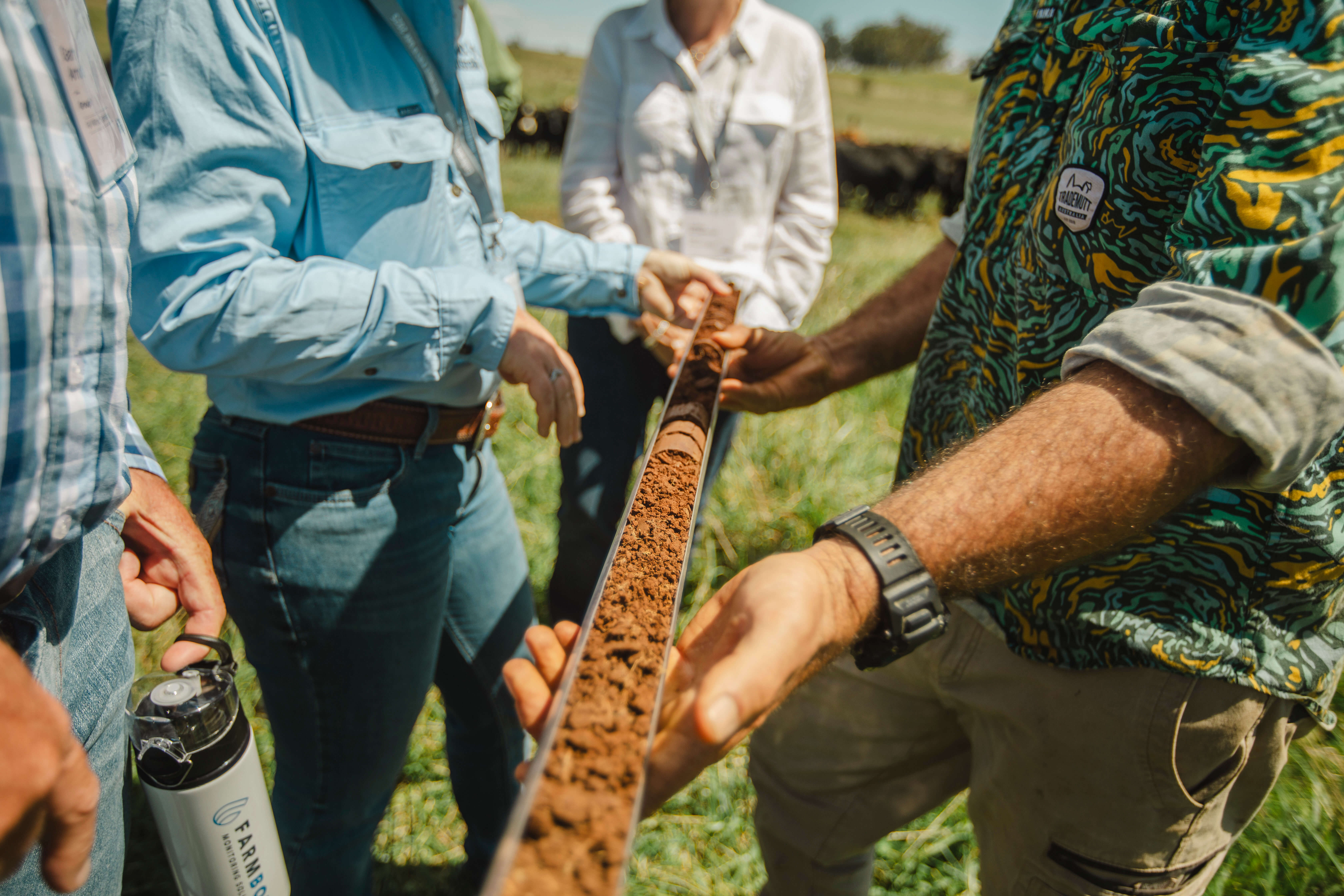
In Australia, land clearing and overgrazing has caused significant loss of original soil organic carbon (SOC). SOC promotes soil structure, boosts water infiltration and retention, feeds soil micro-organisms and encourages plant growth. Registering a soil carbon project requires you to make specific changes, such as diversifying pasture species, managing grazing, minimising cultivation, and adding carbon-rich nutrients. Graziers implementing soil carbon farming practices enjoy multiple benefits, including a boost in farm productivity, soil health and pasture growth.
Wilmot’s General Manager, Stuart Austin, is an experienced agribusiness professional and strategic thinker with a passion for land regeneration for the health of our planet. According to Stuart, the benefits of soil health from a farming perspective include more resilient and consistent pasture production during both dry spells and the wet season.
‘Every farm has its own ecosystem. And we’re seeing our ecosystem rebuild, regenerate, restore over time and that all starts from our soil health, and carbon is an excellent indicator of soil health and function.
— Stuart Austin
Pioneering grazing innovation at Wilmot
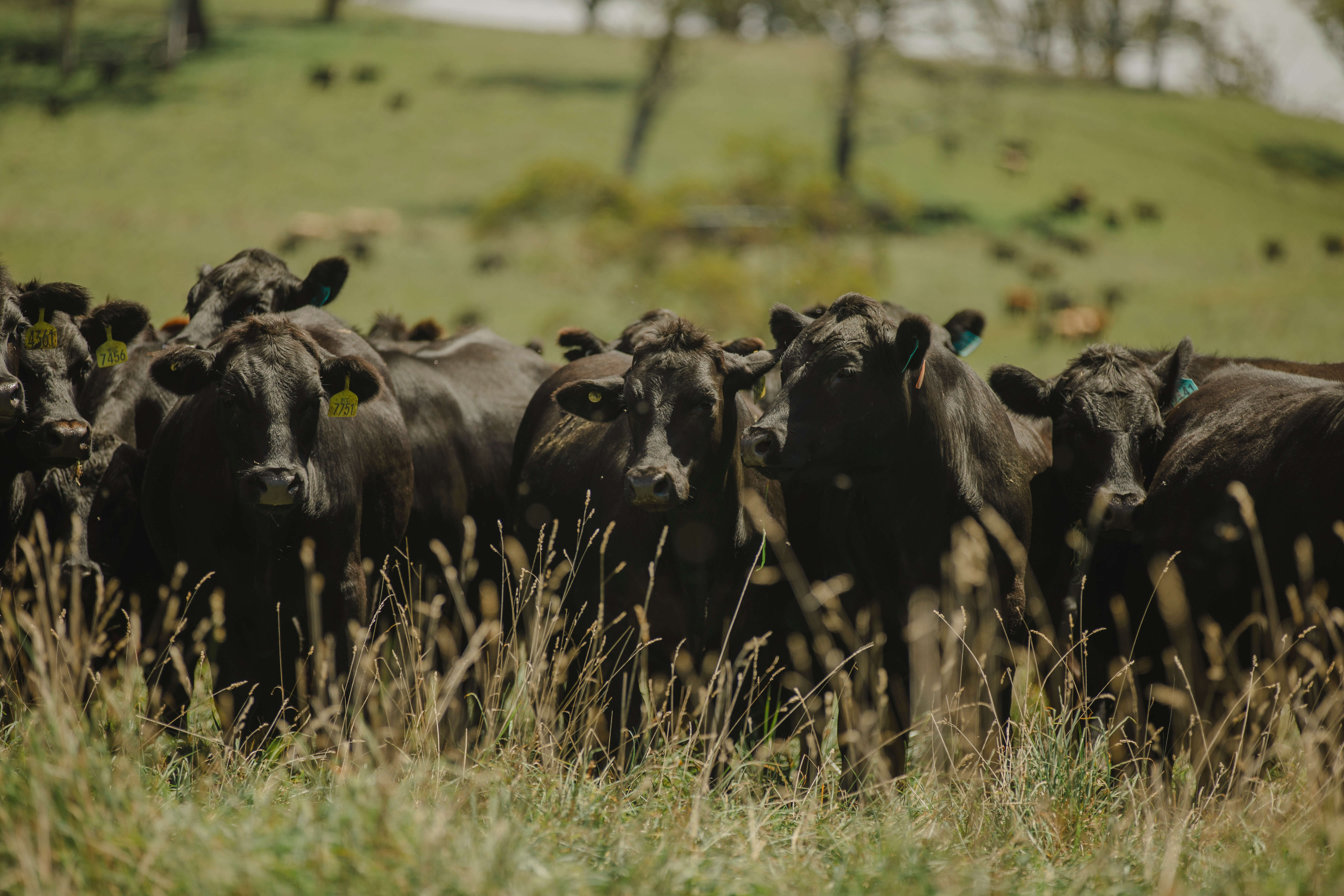
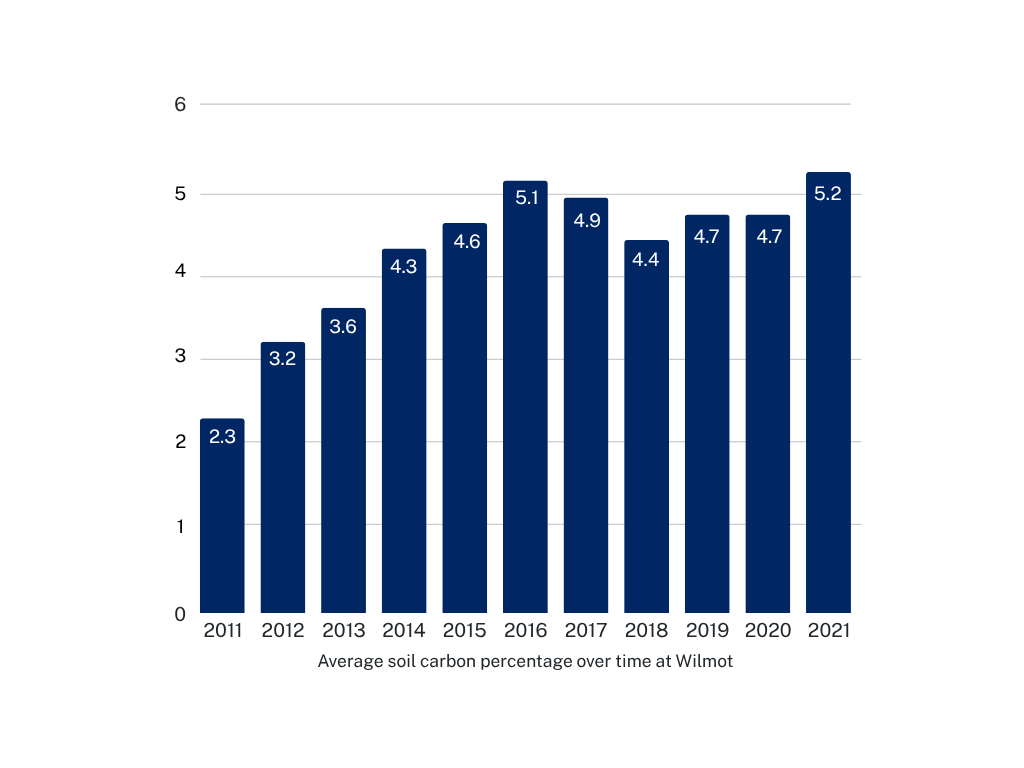
Wilmot’s results paint a picture of a profitable and sustainable beef grazing enterprise. Over a decade, Wilmot’s soil carbon percentage has more than doubled, from 2.3% in 2011, to 5.2% in 2021.
Wilmot average percentage of soil organic carbon over time
Over this time, Wilmot monitored soil carbon levels annually to correlate the improved pasture and grazing management to the rise in soil carbon. Landscape resilience and overall ground cover has increased, with Wilmot now boasting 90% less exposed ground than the surrounding region. Incredibly, it took a weather event to further highlight the resilience of Wilmot’s soils. In the 2019–20 bushfire season, more than half of Wilmot was destroyed. But the pastures recovered quickly producing six months of feed with just six weeks of rain, due in part to the high carbon content, and higher moisture holding capacity.
A high impact partnership
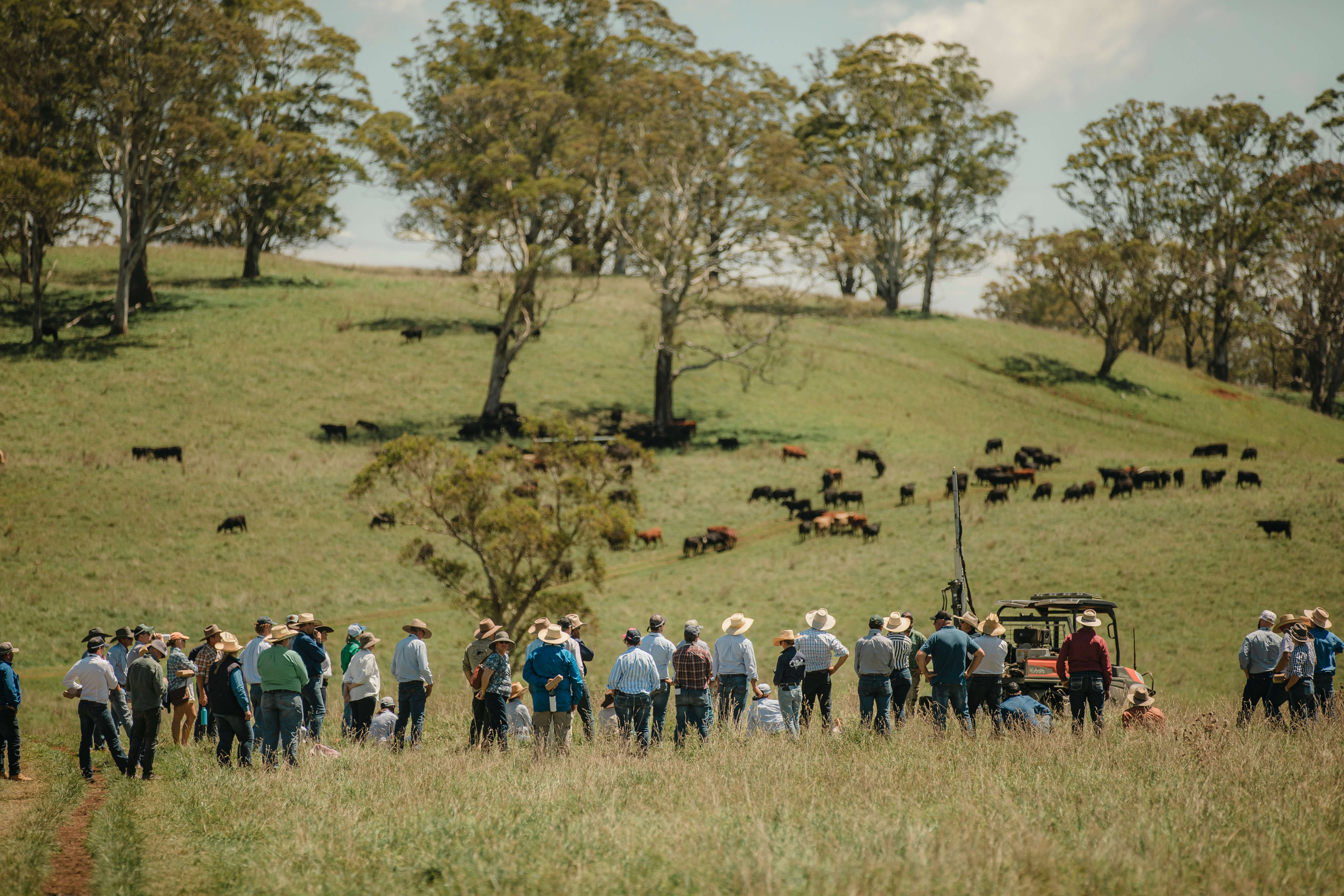
The NSW High Impact Partnership grants fund projects that focus on emissions reduction in agriculture or sequestration in soils or vegetation. Wilmot will support 12 farmers across NSW in introducing soil carbon projects to their properties. This will span 20,700 hectares and sequester over three quarters of a million tonnes of CO2. Wilmot's experience and demonstrated success made their application for NSW Government funding stand out. Wilmot’s team will mentor landowners, lending their expertise on increasing pasture diversity, and maximising a farm’s soil carbon credit income.
Sean Hoobin, Project Manager for Wilmot’s grant, and Carbon Services Director, Atlas Carbon, has more than 20 years’ experience in carbon projects and sustainable agriculture. He works with graziers to put farming practices into action that build carbon and boost productivity. Sean will be coordinating the development of grazing plans for the 12 landowners through the Maia Grazing Tool.
'Our federal government’s Australian Carbon Credit Unit Scheme has a variety of methods you can undertake to store or reduce carbon… We specialise in soil, where you evolve grazing practices from conventional to time-controlled, to improve pasture growth, so carbon gets stored in the soil. You can sell your carbon credits for revenue or count them against your emissions.'
— Sean Hoobin
Sean says there are many benefits of starting a soil carbon project with the High Impact Partnership, including boosting the productivity of the agricultural sector, the diversification of income streams by generating Australian Carbon Credit Units (you may have heard these referred to as ACCUs) and unlocking finance to implement critical farming infrastructure and paying farmers for the carbon they sequester. The changes to grazing management needed to boost soil carbon often require expensive infrastructure upgrades including new fencing to divide paddocks, and extra watering points that facilitate time-controlled grazing.
‘Have a conversation. Whether it’s with us or someone else, but someone who knows grazing, your business, and carbon.’
— Sean Hoobin
Explore carbon sequestration on your property
More stories
For fifth-generation farmer Cameron Wood, the future of farming doesn’t mean leaving tradition behind, it means evolving with it.
Across NSW, the development of renewable energy zones (REZs) is underway. REZs are the centrepiece of the NSW energy transition and at the heart of each REZ are the regional communities hosting this critical infrastructure.
The New England Solar project, in the NSW New England region, will power about 300,000 average Australian homes each year.