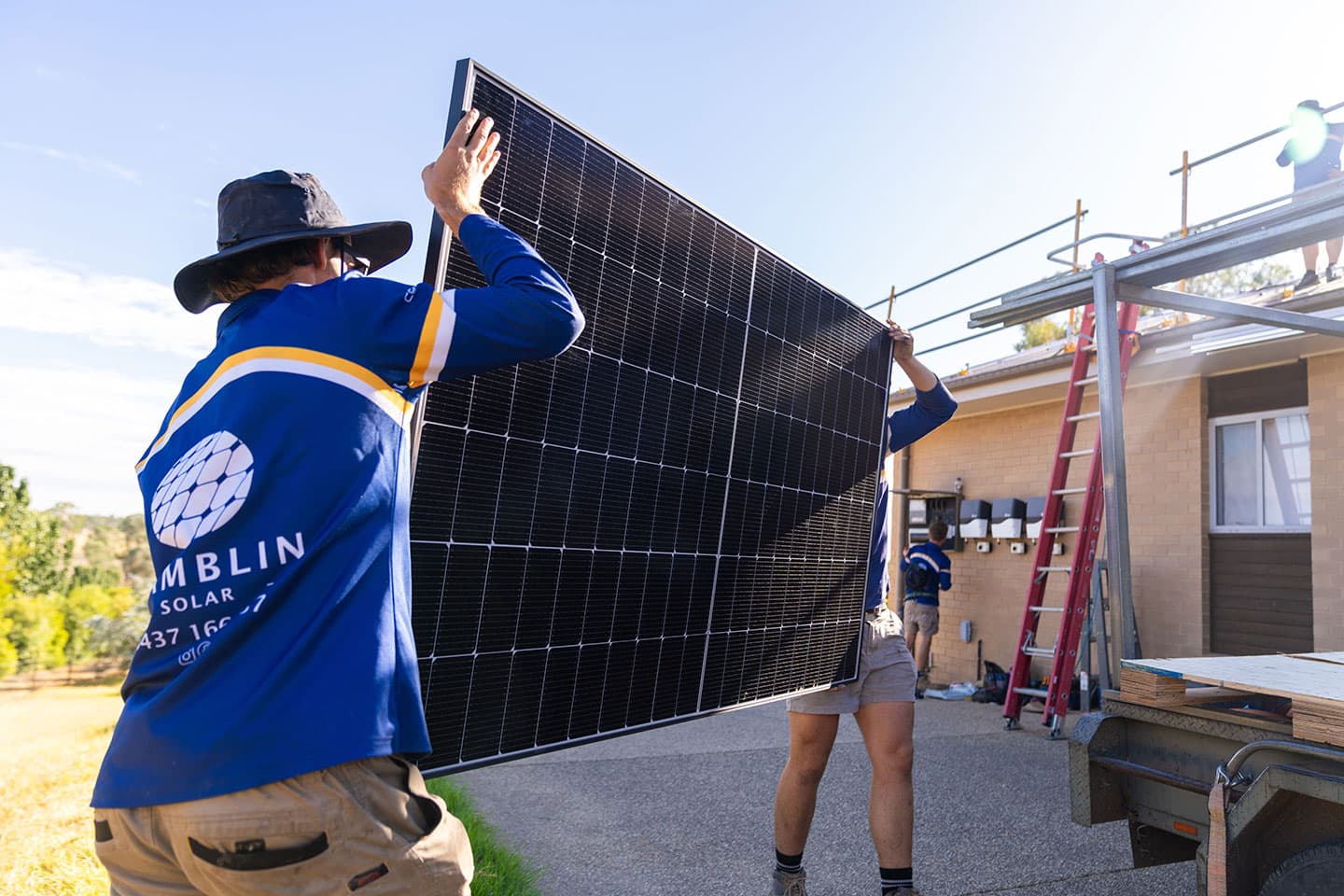
Energy consumers in NSW are embracing solar. Around 1 million households and small businesses in NSW have rooftop solar systems, which is around a quarter of all homes in the state.
The NSW Government has committed $290 million through the Consumer Energy Strategy to ensure everyone can benefit from energy saving technologies like rooftop solar and batteries while keeping the grid stable and reliable.
We are supporting the uptake of energy saving technologies by working with industry and distribution networks to improve the way we connect rooftop solar and batteries to the electricity grid.
We are also introducing important protections to keep the grid stable and reliable. This will help us as we transition away from gas and coal, and towards clean energy, like rooftop solar, wind, hydro, and large-scale solar.
The Emergency Backstop Mechanism
The Emergency Backstop Mechanism is a safety measure that helps protect the electricity grid during rare emergency conditions to reduce the risk of potential power outages. It is a key protection required by the Australian Energy Market Operator (AEMO). The Emergency Backstop Mechanism will allow NSW distribution networks (Ausgrid, Endeavour Energy and Essential Energy) to temporarily reduce rooftop solar exports to the grid or pause generation, but only when instructed by AEMO. A backstop mechanism has already been implemented in Western Australia, South Australia, Queensland, and Victoria.
The Emergency Backstop Mechanism
A Minimum System Load event can occur when there is a lot of energy being supplied to the grid, but demand for energy, or the load on the grid, is very low.
This imbalance can destabilise the grid, and in rare circumstances, can potentially result in power outages.
When a Minimum System Load event is forecast, AEMO will provide advance warning to NSW electricity networks and direct actions that bring the grid back into balance.
These actions can include reducing grid-scale generation from coal, gas or renewable sources like wind and hydro, or increasing energy demand from large, commercial and industrial energy users.
If these actions do not stabilise the grid, AEMO can instruct NSW distribution networks to activate the Emergency Backstop Mechanism, temporarily reducing rooftop solar exports to the grid or pausing generation.
AEMO will only instruct an emergency backstop after many other actions have been taken to safely maintain your power supply.
It is expected to be used rarely. Distribution networks will restore solar exports or generation when AEMO advises that the emergency has passed.
Without the Emergency Backstop Mechanism, grid instability could result in power outages. If you have a power outage, nothing works, including solar.
Emergency backstop is a way to manage the power system while protecting the safe and continuous operation of rooftop solar systems connected to the grid.

Watch our full series of short videos to see how the emergency backstop mechanism works and why it matters.
Why we need an Emergency Backstop Mechanism
Homes and businesses with energy saving technologies such as solar often generate more electricity than they use and feed excess power back into the grid. This is a great way for households to save money and cut emissions.
As more households invest in these technologies, there are times when a lot of electricity is being sent to the grid, especially during sunny days when demand is low. This can create an imbalance that puts pressure on the electricity system and may lead to power outages if not managed properly.
The emergency backstop is a last resort to keep the power system secure in rare emergency conditions. It will only be actioned to keep the lights on if nothing else is working.
By introducing this last resort safety net for our energy system, it means that more rooftop solar can be safely connected to the grid and provide reliable, clean power.
For more information about the Emergency Backstop Mechanism, see AEMO’s fact sheet on operating electricity grids with rooftop solar.
What the Emergency Backstop Mechanism means for household solar systems
The backstop is expected to be a rare event. In these events, some households may have their solar generation paused or exports temporarily lowered.
If you have rooftop solar or are thinking of installing it before the new requirements apply during the staged rollout in late 2026, the emergency backstop will have little impact on you.
Installing compliant rooftop solar
As the requirements are introduced gradually from late 2026, solar installers must make all new and upgraded rooftop solar systems backstop-enabled.
We are developing a Consumer Energy Resources (CER) Installer Portal, a new online tool that makes it easier for installers anywhere in NSW to comply with key safety and technical standards and register the installation of new energy saving technologies. The installer portal will support the implementation of the Emergency Backstop Mechanism in NSW.
Households installing a new rooftop solar system or making changes to an existing system can ask their installer about compliance. If you are planning any of these changes, please keep in mind:
- all new and upgraded rooftop solar systems up to and including 200kW must be fitted with inverters that comply with a new Australian standard, called Common Smart Inverter Profile - Australia (CSIP-AUS)
- installers must register all new and upgraded rooftop solar systems with the relevant distribution network's utility server through the NSW CER Installer Portal.
These requirements apply only to new or upgraded rooftop solar systems. If you have an existing rooftop solar system and are not making any changes to it, no action is required.

Download an overview of these upcoming changes and quick answers to frequently asked questions (PDF, 307KB).
Supporting rooftop solar in NSW
The following fact sheets outline the benefits of rooftop solar and the important protections that the NSW Government and your distribution network are introducing to support a renewable energy future, while keeping the grid stable and reliable for everyone.
Learn more about the Emergency Backstop Mechanism
Watch these short videos to learn how the emergency backstop mechanism works and why it matters.
Frequently asked questions
Existing rooftop systems will not be impacted by the Emergency Backstop Mechanism. As the requirement are introduced gradually from late 2026, only new and upgraded rooftop solar systems in NSW that are 200kW or less will need to be emergency backstop enabled and registered in the CER Installer Portal.
Installers can provide general information to customers, and detailed consumer communications will be shared by the NSW Government through official channels.
No. The mechanism is designed to operate within technical standards and should not damage systems or affect manufacturer warranties when used as intended.
Yes, if the battery is a hybrid system connected to solar. The requirements do not apply if you are only adding an AC‑coupled battery.
No, standard electric vehicle (EV) chargers are not subject to the emergency backstop requirements. If an EV charger is part of a bi-directional (Vehicle-to-Grid/V2G) system, it might fall under future regulatory discussions about how such systems interact with the grid, but current requirements are focused on solar PV systems.