TAFE NSW leads the charge on electric fleets
04 September 2025
TAFE NSW, one of the state’s largest education providers, is taking major strides toward a cleaner transport future. It has embraced electric vehicles (EVs) as part of its commitment to reducing emissions in support of the NSW Government’s net zero goals.
Manny: While planning EV charging infrastructure can present challenges, we found that with careful planning, it is possible to reduce costs and to deliver solutions that are truly fit for purpose.
Daniel: At TAFE New South Wales, we are proud to support the New South Wales government's goal to reach net zero emissions by 2050, by embracing sustainable transport methods.
We recognize the significance of reducing our carbon footprint, especially when it comes to staff travelling between our campuses and across New South Wales.
That's why we're excited to introduce a fleet of electric cars and the construction of world class smart EV charging stations.
Manny: Since 2022, TAFE New South Wales has made significant progress with transitioning to an EV fleet.
With over 35 vehicles converted to EV models and the installation of 15 EV charging stations.
Prior to engaging with EV charging infrastructure providers, we undertook proactive design, development and a comprehensive energy analysis that allowed us to strategically plan what we wanted this new infrastructure to achieve.
This approach resulted in a clearer infrastructure scope, enhanced understanding of our broad site requirements, not only presently, but into the future, lower costs and the implementation of a fit for purpose tailored charging solution.
Following this process, TAFE New South Wales implemented multiple support systems to manage the EV charging infrastructure, including load management, also known as power distribution, monitoring grid connections, and smart EV charger management platforms.
These measures are in place to guarantee dependable, efficient charging operations under all campus load conditions.
Daniel: And in the next 12 months, we have plans to install an additional 47 EV charging stations and convert an additional 75 vehicles to EV friendly models.
The feedback we've received from New South Wales students, staff members and the community has been overwhelmingly positive, as we continue to support a cleaner, more eco friendly tomorrow.
TAFE NSW has embarked on a large-scale shift to electric transport, with the first wave of EVs and chargers now in place. With the move already showing strong results there are plans to expand the rollout further in the year ahead.
“We recognise the significance of reducing our carbon footprint, especially when it comes to staff travelling between our campuses across New South Wales."
- Daniel Severino, Director Learning and Teaching at TAFE NSW
Making the switch
TAFE NSW staff travel regularly across a wide network of campuses statewide. Reducing emissions from this travel was a natural place to start when looking at sustainability opportunities.
“There was a strong appetite to show leadership and align with the government’s climate targets,” says Manny Kallis, Fleet Manager at TAFE NSW.
Manny has been a key driver of the transition, noting that it also presents an opportunity to modernise fleet management and provide staff and students with firsthand experience of low-emissions technology.
Since 2022, TAFE NSW has converted 29 vehicles in its fleet to electric models and installed 14 charging stations. These are spread across high-use campuses in locations such as Ultimo, Wollongong and Kingswood.
The rollout includes a mix of charger types and pool vehicles Consistent performance is ensured through load management systems and smart EV management platforms.
“In the next 12 months, we’re looking to install another 47 chargers and transition 75 more vehicles,” Manny says.

Getting the planning right
TAFE NSW undertook a detailed planning process to design a solution that could meet current needs and allow for future growth.
“Planning EV charging infrastructure can present challenges, but we’ve found that with careful planning, it’s possible to reduce costs and deliver solutions that are truly fit-for-purpose."
Manny Kallis, Fleet Manager at TAFE NSW
That forward-thinking approach paid off. By engaging with infrastructure providers early and having clear requirements, TAFE NSW was able to avoid costly rework and deliver practical charging setups tailored to each site.
Beyond the vehicles: change management matters
TAFE NSW also recognised that transitioning to EVs is not just about hardware but is a cultural and operational shift that involves staff across the organisation.
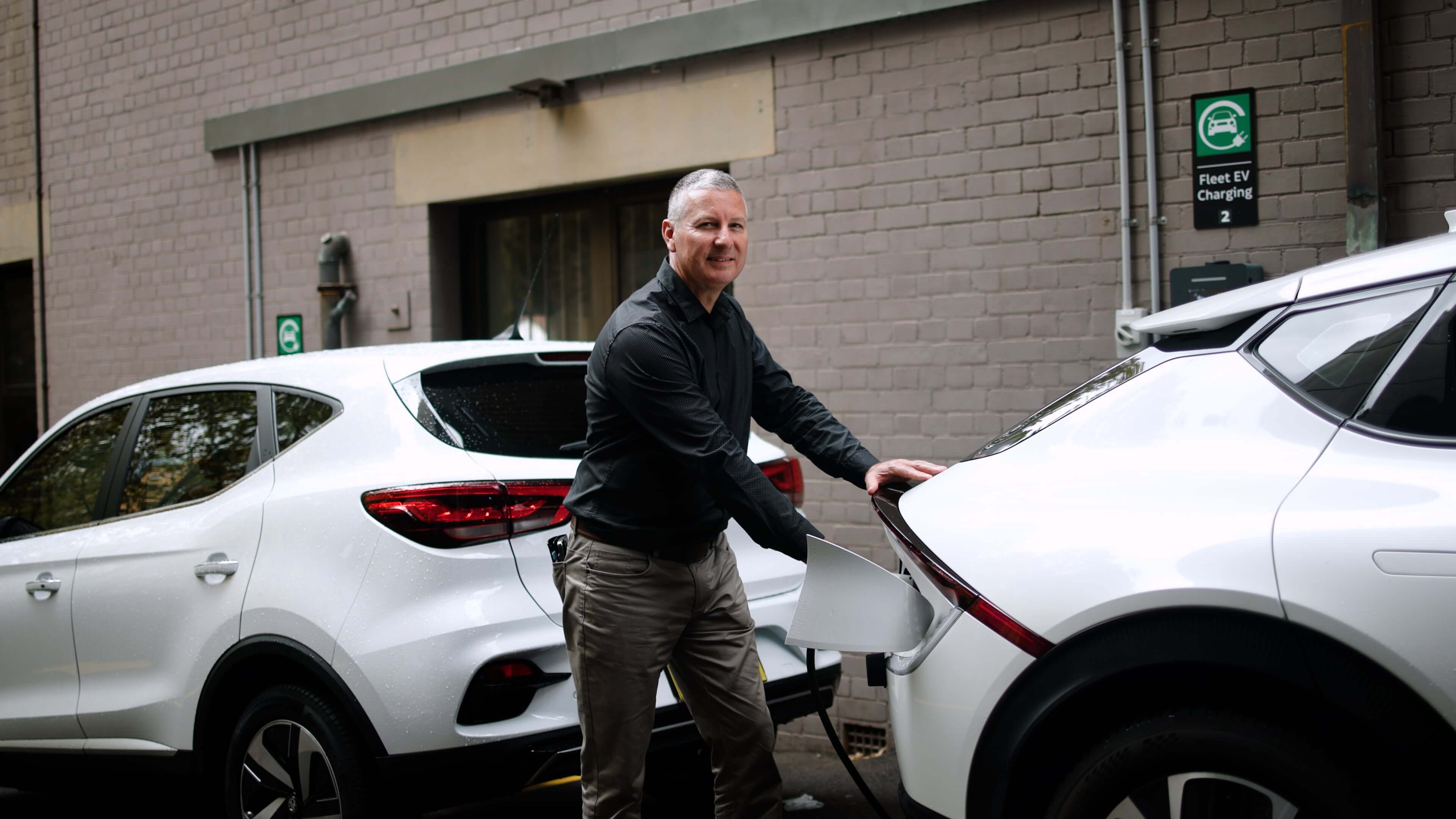
“We’ve had to work through all the soft stuff too,” says Gino Calvisi, Director Logistics at TAFE NSW. “That means developing resources for route planning, assigning responsibilities for charging and helping people get comfortable with the new system.”
A change manager is supporting this phase and is running surveys and support programs to help staff make the adjustment.
Overall, Manny says the transition has been a success.
“Invest in the planning, the people and the process, and the result will be worth it.”
Key tips from TAFE NSW
- Engage executives early and secure their support
- Plan charging infrastructure carefully before installing
- Match charging solutions to both current and future site needs
- Don’t underestimate the people side of the transition
- Use the opportunity to showcase sustainability leadership
- See if you are eligible for any financial support to help lower your costs
Support programs from the NSW Government
More stories
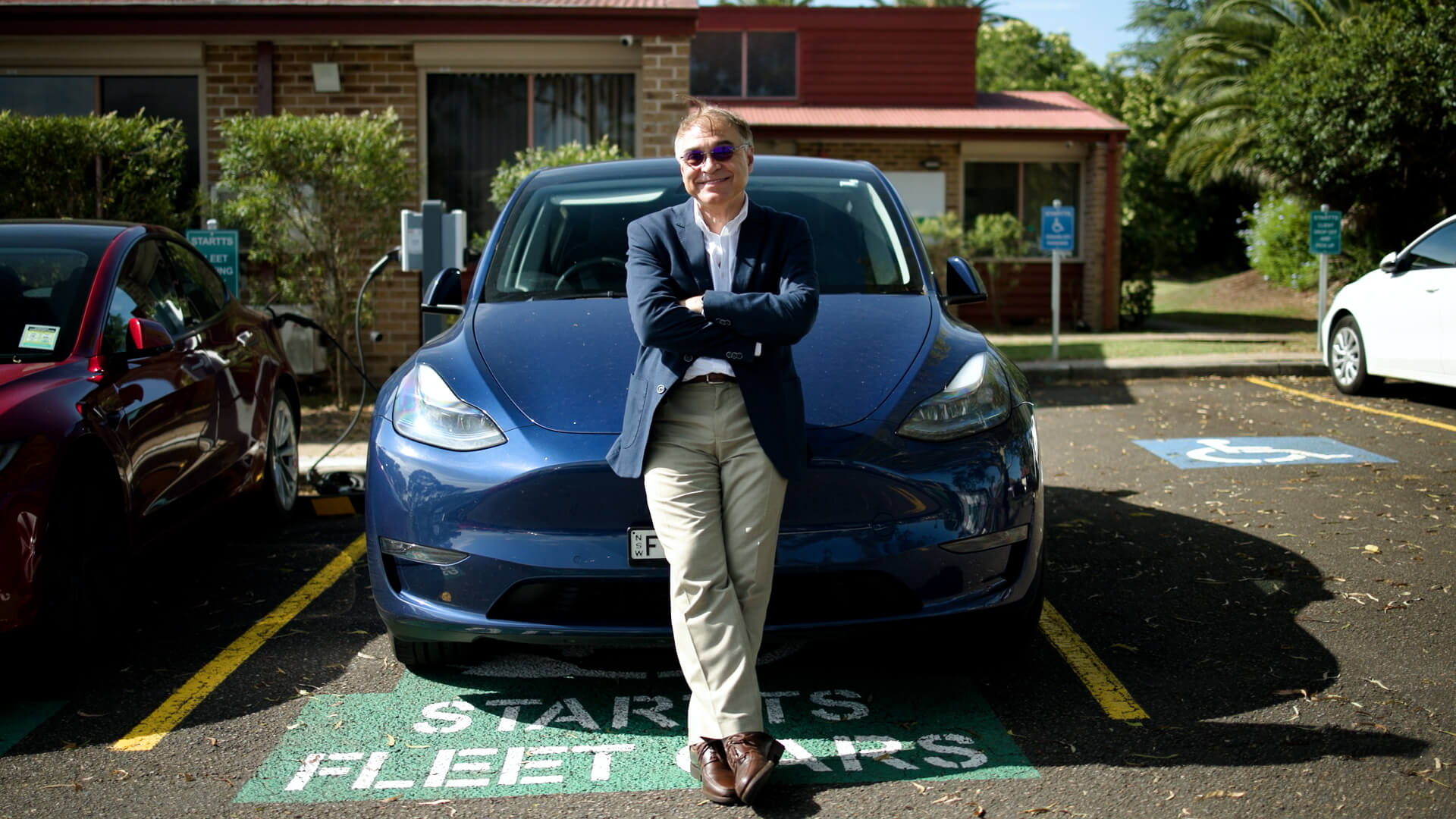
STARTTS, the NSW Service for the Treatment and Rehabilitation of Torture and Trauma Survivors, is a purpose-driven organisation that is unlocking cost benefits and living their values by transitioning to an electric vehicle (EV) fleet.
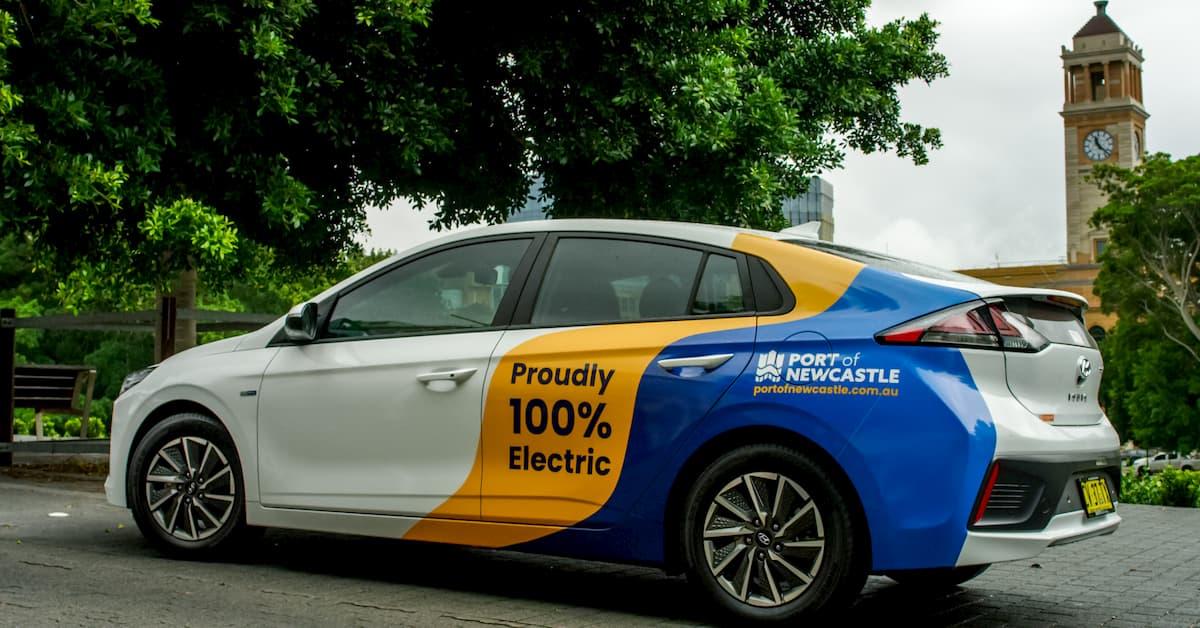
The Port of Newcastle realised they would save $20,000 in fuel costs by electrifying their fleets, but their main driver was showing leadership in the transition to EVs. Find out how they are moving towards their target to be fully electric.
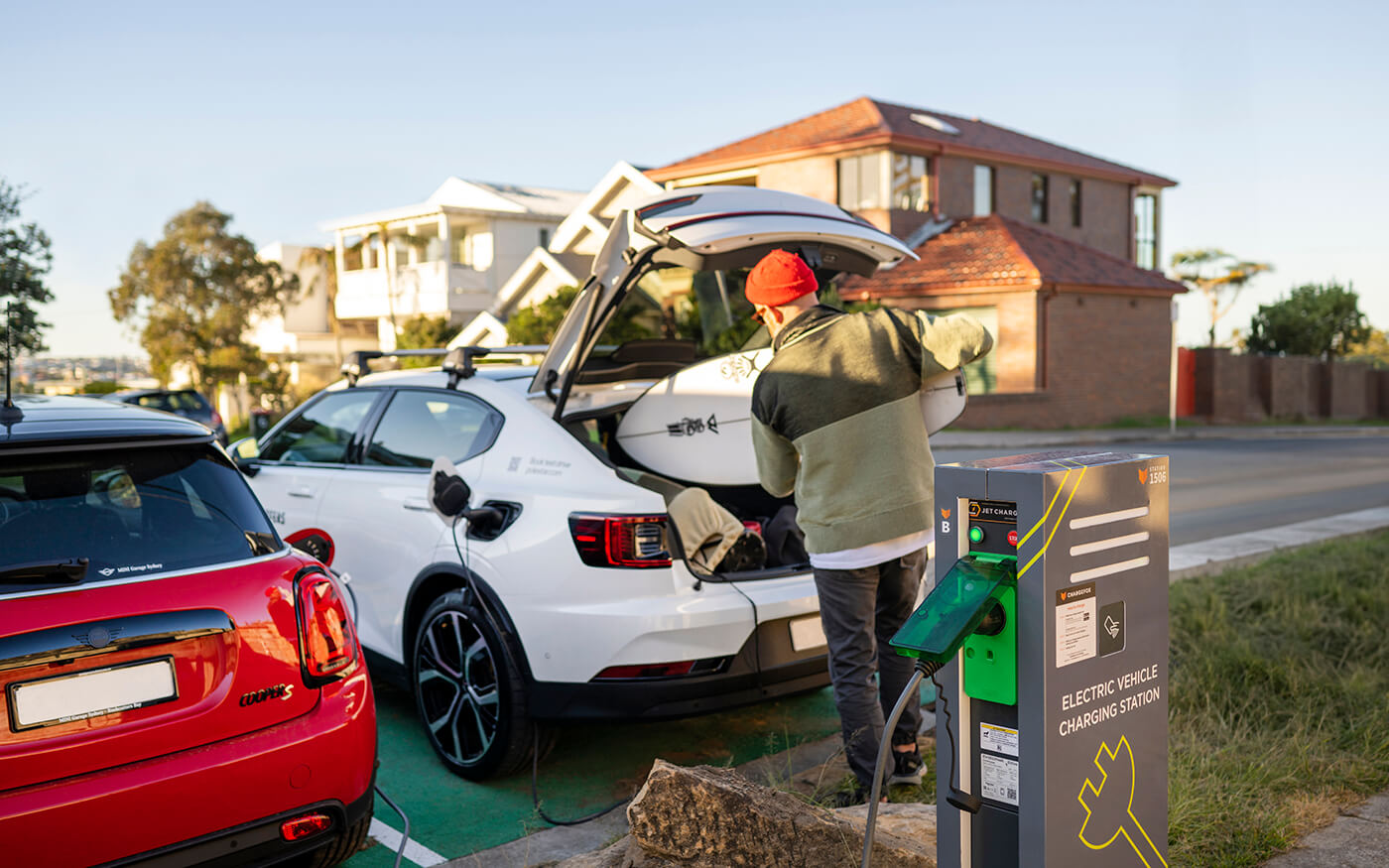
Sam Kelley from Waverley, Woollahra and Randwick councils explains how they’ve successfully installed a kerbside charging network.