Driving sustainability: how STARTTS is transitioning to an EV fleet
03 July 2025
The NSW Service for the Treatment and Rehabilitation of Torture and Trauma Survivors (STARTTS) is a purpose-driven organisation that is unlocking cost benefits and living their values by transitioning to an electric vehicle (EV) fleet.
Jorge: Like many ideas in business, you have to lead from the front in its implementation.
STARTTS has been around since 1988.
It has been set up to provide services to people that have survived torture, but also other traumatic things that happened in the context of the refugee journey.
Many of the services that STARTTS provides mean bringing people together.
The fleet is an integral part of our capacity, to provide the services.
We run groups, we have different kinds of activities.
Day to day we travel between different locations to see clients, and also to deliver, group works and training.
So most of the time I'm on the road.
Once we began to see the first electric cars, we realised that there were other cost benefits.
Clearly there’s establishment costs, but, you know, we identified that over time, there would be a net surplus in terms of that relationship.
How much they’re spending on the fleet, they will find a huge difference for the running cost of the vehicle.
Every business is part of the social fabric of our society.
And therefore, should, you know, play that role in a responsible way.
And I think ensuring that we minimise our footprint is a responsible way of running a business.
The other part is the cost imperative.
The savings in petrol, the savings in maintenance over time, even in administration, are substantial.
Like many ideas in business, you have to lead from the front in its implementation.
I think the incentive has been crucial.
It made it easier to get the cars.
Basically, it reduced the difference between getting a new, petrol car and changing to electric.
It also made possible the installation of chargers, which is again a crucial factor.
What I see certainly as a very important role that government can play in ensuring that we move to ways of transport that impact less on our environment and contribute to the common good.
I don't think I can drive a petrol car again.
I love my EV!
While the incentive is there, it’s a fantastic way to get into electric cars.
I think electric cars are part of the future.
I would recommend wholeheartedly that you go for it and you take advantage of the incentive.
"Sustainability is not just a buzzword; it’s a responsibility. By taking proactive steps today, businesses can drive real change for the future."
– Jorge Aroche, STARTTS CEO
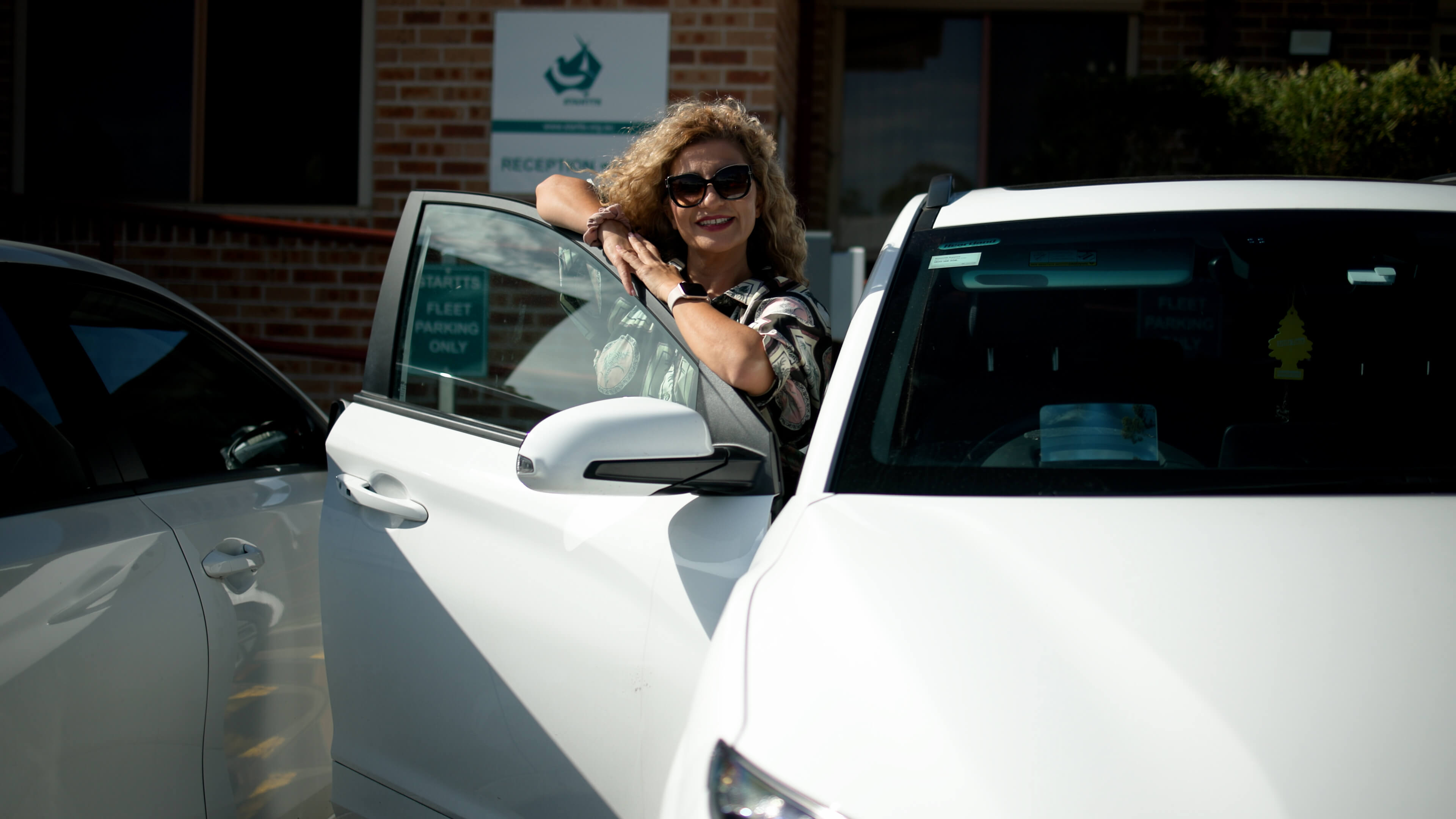
STARTTS provide treatment, support and community interventions for refugees who are rebuilding their lives in Australia. They have 11 offices across NSW, and identified EVs as a crucial part of their strategy to reduce their environmental impact.
Funding to help turn values into actions
With the help of funding from the NSW EV fleets incentive, STARTTS has been able to introduce 22 EVs to its fleet of 69 vehicles. The introduction of these vehicles has reduced fuel and maintenance costs, alongside their overheads and emissions.
"It wasn’t just about reducing emissions - it was about aligning our actions with our values."
The incentive also enabled them to install charging infrastructure at some of their sites. By the end of 2025 they are aiming to switch the majority of their fleet of passenger vehicles and 4WDs to EVs.
Overcoming range anxiety and addressing concerns
STARTTS noted that their transition to EVs wasn’t without hurdles. Some staff were concerned about the range and suitability of the vehicles. However, a phased transition, easy access to charging stations and considered planning has seen this anxiety diminish.
"Once drivers experienced the smoothness and efficiency of EVs, the hesitation disappeared. Now they’re enthusiastic advocates for the transition."
– Yassmen Yaya, Senior Project Officer and Community Engagement Specialist Witness to War
Support from the NSW EV fleets incentive
The NSW EV fleets incentive, a state government program designed to help businesses fast-track their shift to electric vehicles, was a key enabler of STARTTS' transition. The incentive provides funding to cover part of the upfront purchase price gap between an EV and an equivalent Internal Combustion Engine vehicle.
The funding also helped STARTTS install smart chargers at key locations, ensuring efficient operations.
"Accessing the NSW EV fleets incentive was a game-changer for us. It allowed us to bridge the financial gap and make the transition more feasible. Without that support, the upfront cost might have been a significant barrier."

Realising the financial and operational benefits of EVs
The organisation has found that its initial investments have been offset by long-term savings. "The cost of installing charging stations is being offset by fuel savings and lower maintenance costs," Jorge says. "EVs require less servicing than traditional vehicles which means long-term financial benefits. There’s also less fleet administration required because the cars don’t need to be booked in for regular servicing; no one needs to spend hours coordinating that."
Transitioning to an electric fleet is allowing STARTTS to spend its resources more effectively, while living their values through positive action.
STARTT's top tips for fleet managers
- Start small, scale up: a pilot program allows for testing and gradual implementation.
- Invest in infrastructure: strategically placed charging stations ensure efficiency.
- Educate and engage staff: addressing concerns early helps ease the transition.
- Consider long-term savings: lower fuel and maintenance costs make EVs a smart financial choice.
- Align with sustainability goals: reducing emissions enhances corporate responsibility and brand reputation.
- Leverage government incentives: the NSW EV fleets incentive can make the transition more affordable.
More stories

TAFE NSW is taking major strides toward a cleaner transport future by embracing electric vehicles (EVs).
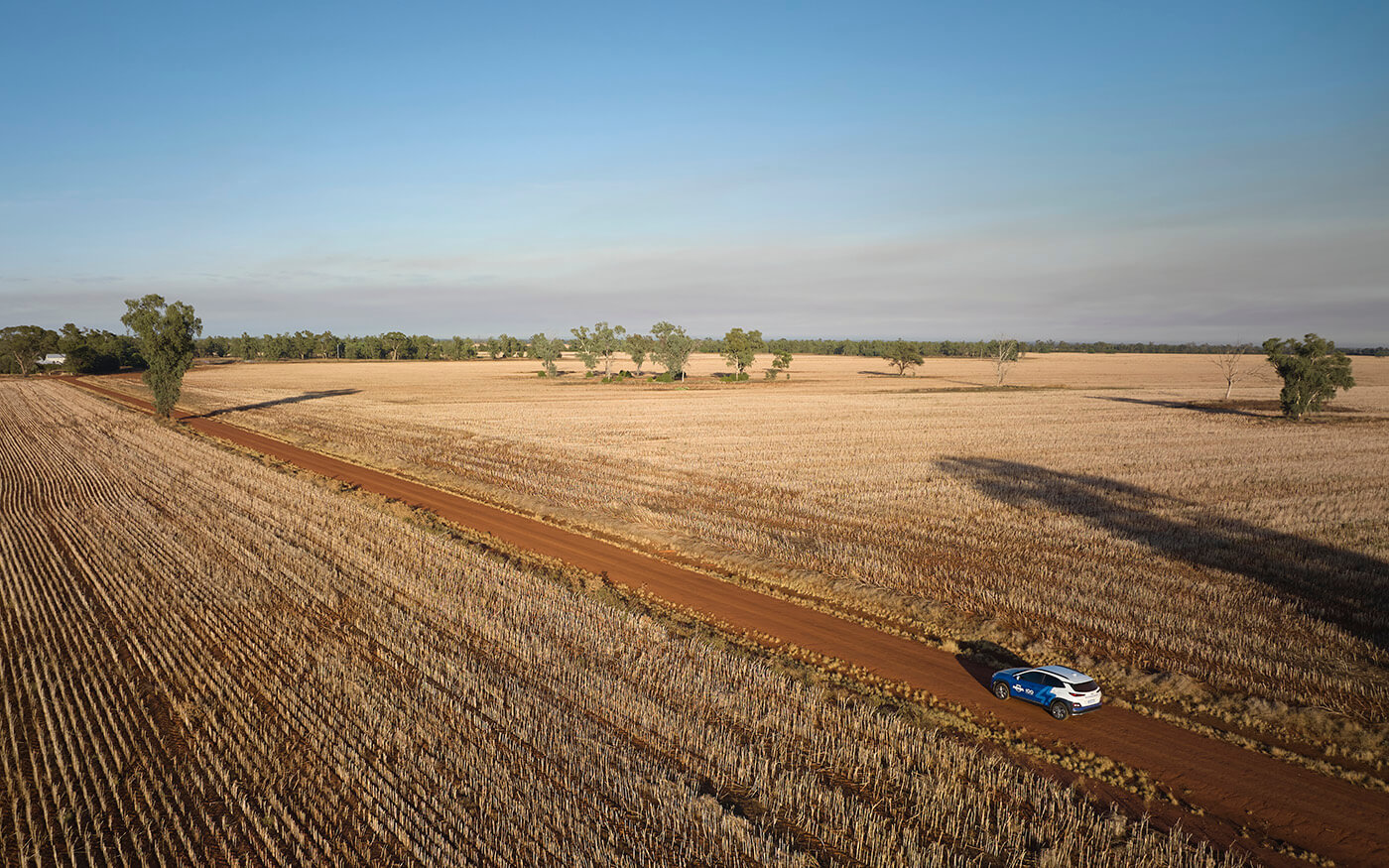
‘Range anxiety’, or the fear of running out of battery power and being stranded, has long been a significant perceived barrier to the widespread adoption of EVs.
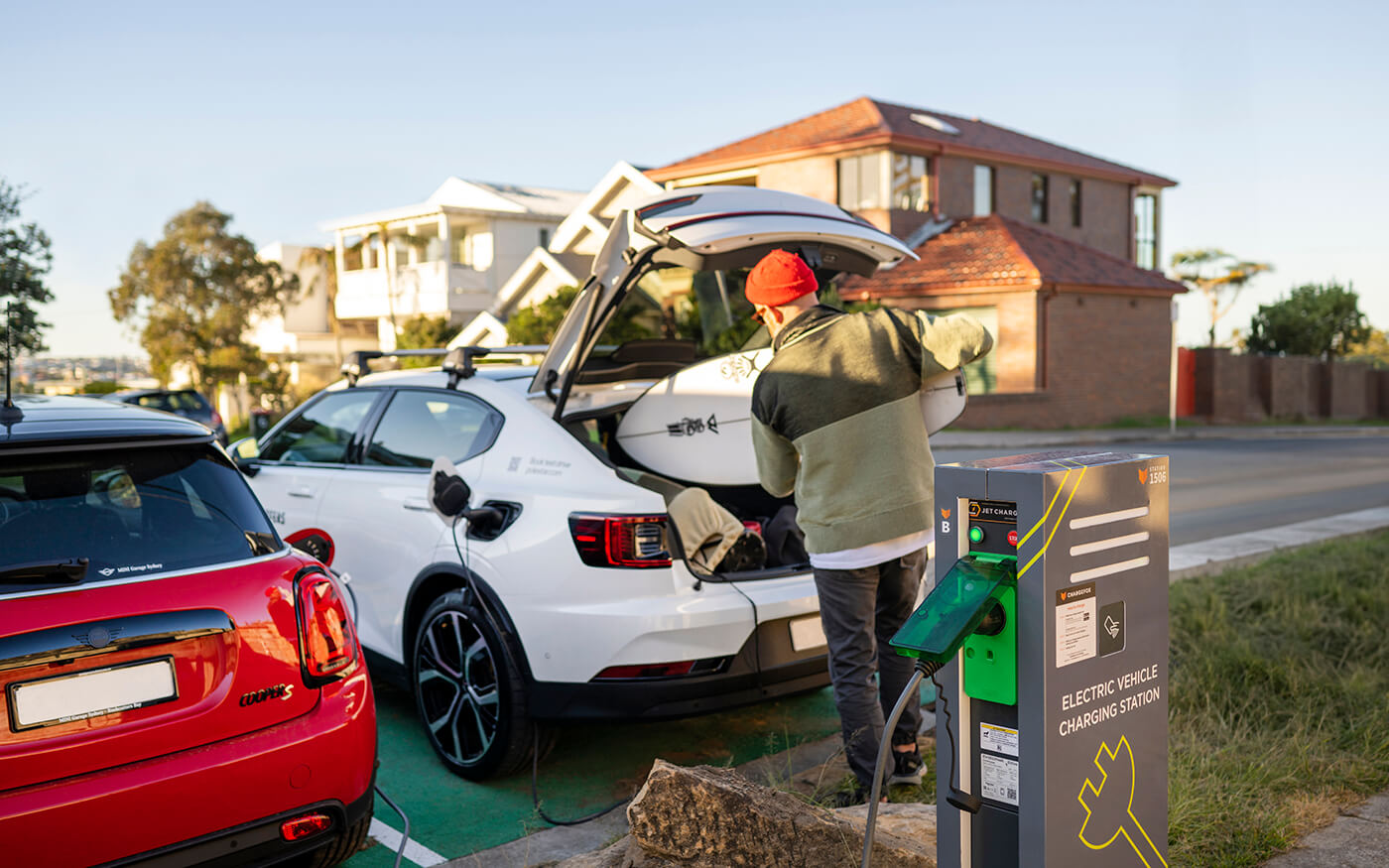
Sam Kelley from Waverley, Woollahra and Randwick councils explains how they’ve successfully installed a kerbside charging network.