Hysata’s electrolyser technology puts Australia at the forefront of the green energy revolution
19 December 2023
Hysata is a green energy start-up based in Port Kembla. Bringing down the cost of clean hydrogen, their technological breakthrough is helping accelerate the shift away from fossil fuels in the world’s push toward net-zero targets.
Hydrogen offers a clean alternative to fossil fuels like coal and diesel for organisations looking to reduce their carbon footprint. When it comes to heavy industry, hydrogen has the potential to power everything from heavy-duty trucking fleets to steel blast furnaces and chemical manufacturing plants.
Hydrogen is created using an electrolyser, which uses electricity to split water into hydrogen and oxygen. The challenge is doing this in an energy-efficient, low-cost and environmentally-friendly way.
"Green hydrogen will play a critical role in decarbonising hard-to-abate sectors such as steel, chemical manufacturing and heavy transport. But to make it a reality it needs to be a cost-effective solution."
- Paul Barrett, Chief Executive Officer
Gerry Swiegers: I've been an innovator my whole career.
As a scientist I've always been driven to produce technologies that have real world impact.
We now know that green hydrogen is essential for decarbonising, especially those hard-to-electrify sectors like heavy transport and steel production.
I'm often asked what it's like when you realise that your team has developed a really revolutionary technology.
I live for the AHA moments and the discovery of the capillary fed cell was one of those moments.
It's special because it's based on a fundamentally new type of electrolysis.
The challenge with existing electrolysers is that they're inefficient.
A lot of the electrical energy is not converted into chemical energy in the form of hydrogen gas.
We knew that reducing the electrical resistance was the key to increasing efficiency, so we started with a clean sheet of paper and tackled those resistances head-on.
This led us to our core invention: a very simple elegant design based around a wicking membrane that allows targeted delivery of liquid between the two electrodes.
Our design allows for bubble-free operation and collapses the resistance in the cell.
A green hydrogen industry will not be economical at scale without a step change in electrolyser efficiency.
Efficiency is the key to getting a low levelised cost of hydrogen.
Hysata's electrolyser can convert electrical energy into chemical energy in the form of hydrogen 20 percent more efficiently than other systems on the market.
This reduces the amount of electricity required to produce a kilogram of hydrogen and transforms the cost of green hydrogen production.
Mass manufacturability and scalability is core to everything we do at Hysata, from design to engineering through to production.
We are proud to have built an incredible team of innovators and excited to be developing the most efficient electrolyser in the world.
Using renewable electricity ensures that the hydrogen is ‘green’, or environmentally friendly, but traditional electrolysers only offer around 75% energy efficiency. A quarter of the electricity goes to waste, which drives up costs and makes hydrogen a less competitive alternative to fossil fuels.
Hysata has addressed this challenge with its next-generation electrolyser, which boosts energy efficiency to 95% to become the world's most efficient electrolyser.
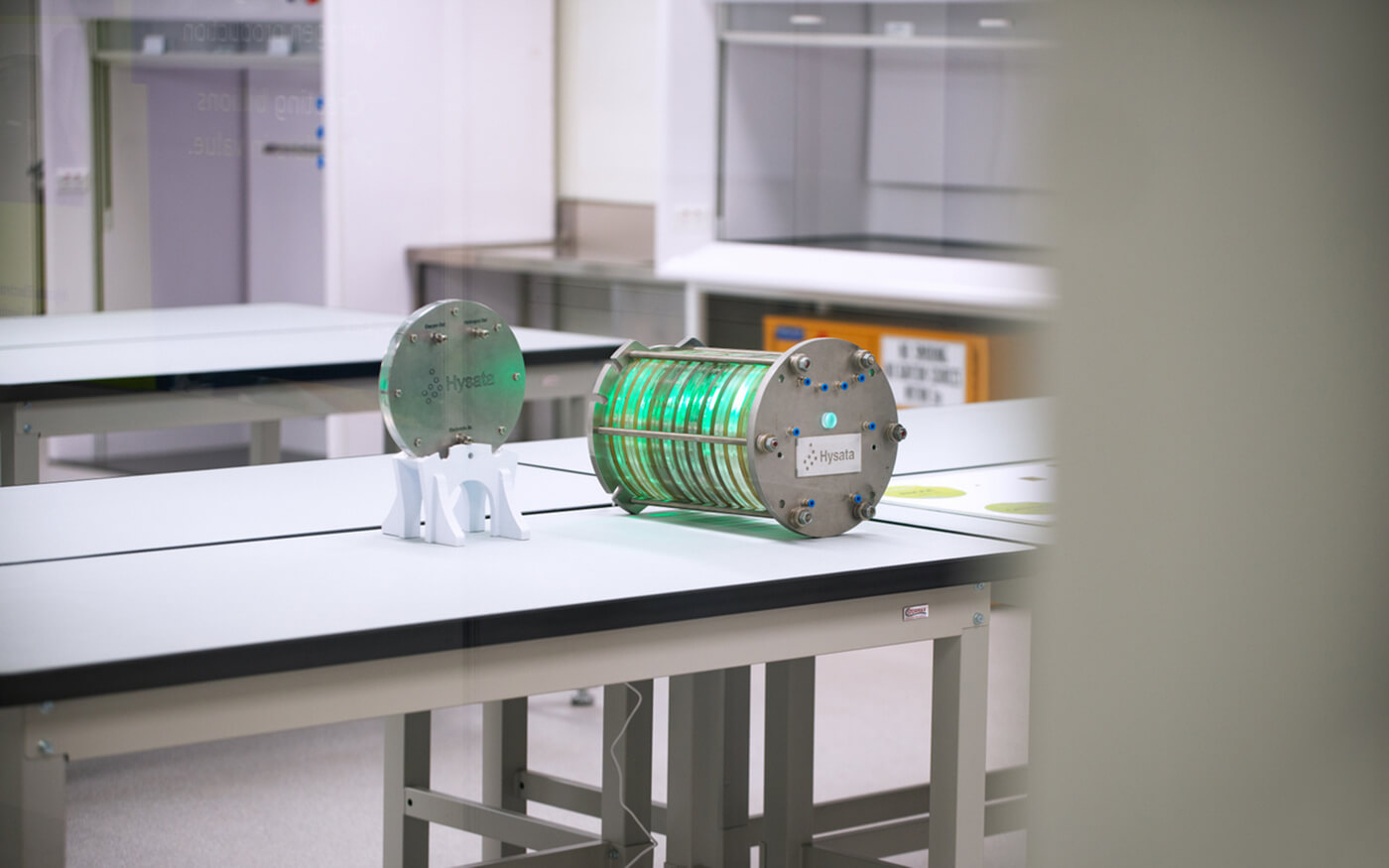
Spun out of the University of Wollongong, Hysata has developed a 'capillary-fed' electrolyser. An electrolyser splits water into hydrogen and oxygen. In traditional designs, gas bubbles crowd the electrode, and reduce the electrolyser efficiency. Hysata's design uses a sponge membrane to achieve direct delivery of water to electrodes and eliminates bubble formation.
The new electrolyser's ultra-high efficiency means its operating infrastructure is more simplified, delivering additional cost savings.
Thanks to these innovations, Hysata's electrolyser only uses 41.5 kilowatt hours (kWh) of electricity to produce 1 kilogram (kg) of hydrogen, beating the target of 45 kWh set by the International Renewable Energy Agency for 2050.
Hysata's technology is well-suited to commercialisation, thanks to low equipment costs and a modular design which can easily be scaled up. As a result, it has the potential to produce hydrogen at less than $2 per kg, which is around half of today's cost.
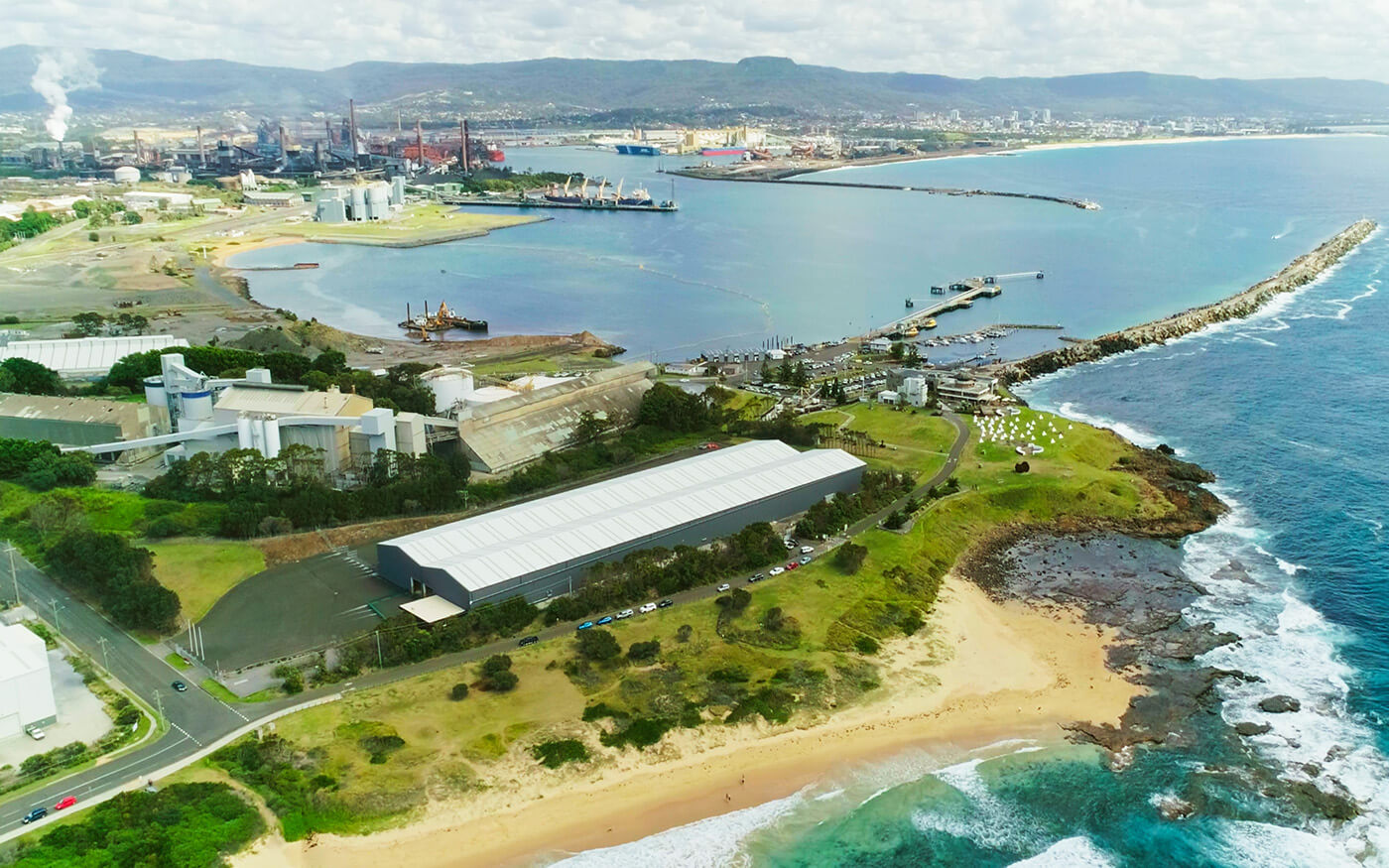
The NSW Government has granted Hysata $1.5 million to pilot a 200-kilowatt electrolyser stack at its Port Kembla electrolyser manufacturing facility. The funding will help Hysata progress the product development of its high efficiency electrolyser.
Green hydrogen is expected to supply 10 to 15% of the world's energy needs in a net-zero global economy. Hysata's electrolyser technology is putting Australia at the forefront of the green energy revolution, said Paul.
"By progressing both our technology and commercial readiness, the NSW Government funding is playing an important role in ensuring that Hysata and NSW are helping Australia lead the world," Paul said.
Next, Hysata will develop and manufacture a 5-megawatt capillary-fed electrolyser, to be shipped to Queensland's Stanwell Power Station for a field test in the future. Going forward, Hysata already has tentative deals in place for 9.4 gigawatts’ worth of electrolyser sales, thanks to signed conditional orders and letters of intent from customers.
"Scaling Hysata's electrolyser manufacturing is critical to developing domestic manufacturing and green hydrogen sovereign capabilities," Paul said.
"Unlocking the full potential of green hydrogen sets the world on the right path to decarbonising heavy industry and meeting global net-zero targets."
Green hydrogen
Hysata's breakthrough technology is 20% more efficient than current methods of producing hydrogen, which can replace fossil fuels as a clean energy source to power Australian heavy industry.
Hysata's ultra-efficient electrolyser uses electricity to split water into hydrogen and oxygen. Green hydrogen is created using renewable electricity, such as solar or hydro power, and is set to be one of Australia's key fuel sources in the push towards net zero.
More stories
The Melt is a hardware accelerator that provides programs, services, facilities, and investment attraction to help clean technology and manufacturing start-ups from idea to global scale. Based in Muswellbrook, their latest industrial prototyping hub helps businesses fast-track great ideas into ready-to-market products.
Exploring the potential for microgrids to make the most of local renewable energy, the University of Wollongong's Clean Energy Living Laboratory will help communities and precincts become more energy efficient and self-sustainable in the push towards net zero targets.

Unlocking valuable insights into how smart buildings use energy, CSIRO's Data Clearing House helps buildings conserve power and plays a key role in the smart distributed energy grid.