Power with a purpose
22 June 2026
In Wellington in the state’s central west, a new kind of partnership is taking place.

Local Wiradjuri leaders and renewable energy company AMPYR Australia have worked together to negotiate a 5% equity stake for the local Aboriginal community in Bulabul Battery, a major renewable energy storage project. The arrangement will bring in secure income for the Wellington Aboriginal community for 20-plus years, the operating life of the project.
Wambal Bila is the local Aboriginal-controlled organisation that was set up to represent the community, manage the equity stake, and guide how returns are used.
“This is an opportunity that will allow community members to benefit directly from the clean energy transformation,” says Wambal Bila director Louise Austin.
“Bulabul, the project name, means ‘acting together’ in Wiradjuri,” she says, “and that is what we are doing.
“The name reflects the partnership between the local Wellington Aboriginal community and AMPYR, and it also reflects our beautiful location here on Wiradjuri country at the junction of two rivers, the Bell and the Macquarie.”
Louise Austin: Wambal Bila is a local Aboriginal community organisation that was established to manage the equity stake in the Bulabul Battery as part of our partnership with AMPYR.
Keiyana Guihot: The equity stake is the first of its kind and it's a real new way of working in a blueprint for how we should be working in the future with renewable energy and Aboriginal communities.
Will Story: The Bulabul battery is a large grid scale battery. It's actually a 400 MW project. We're looking at the first stage right now. That's 300 megawatts and that can actually power 52,000 homes across NSW.
Louise: It took a few consultation to really grasp what it was.
Wellington is a unique community because we don't always have the native title and access to land to be able to build these things ourselves.
So I think this equity stake has really been beneficial to our community because it allowed us to participate in getting economic development from the renewable energy zone.
Will: We've actually agreed a 5% equity stake in this project with the Aboriginal community here.
And what that will do is give that community stable revenue source for the next 20 years, the operating life of this project.
Keiyana: So the equity stake creates intergenerational change by leaving a footprint and a legacy for our future generations here in our community.
And this project is around for 20 to 25 years.
So we're really trying to leave a legacy for our young people.
Louise: Wambal Bila means mountain river in Wiradjuri.
We chose that name because of the landscape and the rivers and the mountains that surround Wellington.
Keiyana: So the benefits for the Wambal Bila project now are just having a voice and a seat at the table for our community.
It's a first of its kind, so it's really exciting for us and I think the future is a new way of working and it's just about leaving a legacy for our future generation and making sure that we're doing the right thing by them.
Coming together
Will Story, who leads First Nations partnerships and community engagement at AMPYR Australia, says the first step in establishing the partnership was listening.
“The first thing we did here in Wellington was to sit down with all the Aboriginal leaders and community members to talk about their priorities and to find out if there are ways that we could collaborate to deliver real community impact,” Will says.
Following consultation sessions and workshops, community representatives came forward to set up Wambal Bila and commit to the equity arrangement.
“The equity stake really is a new way of structuring projects and a blueprint for how we could be working in the future to ensure Aboriginal communities benefit from renewable energy projects,” says Wambal Bila director Keiyana Guihot.
It’s a chance for meaningful participation in the economic side of the energy transition, adds fellow director Louise.
“This equity stake gives us the opportunity to have true self-determination and build generational wealth,” she says.
Future revenue from the equity stake will be managed by Wambal Bila’s members and directors, for the community.
“When our revenue starts coming in, it will be our members, our directors, our people who decide what we do for our community. It will be voices of the community determining where and how we invest back into community,” Keiyana says.
The project is creating job and training opportunities as the battery is commissioned. Locals including members of the Aboriginal community are employed on site, with more opportunities expected as the project progresses.
What the Bulabul Battery project means for electricity consumers
Bulabul Battery is a utility scale Battery Energy Storage System (BESS). When it’s complete, it will produce a total of 400 megawatt of power and 1 gigawatt hours of storage capacity – enough to power up to 52,000 NSW homes.
“A battery like this allows us to capture cheap renewable energy from solar and wind, store it, and then discharge it back into the grid in the evenings when we need it,” Will says.
As NSW progresses its once-in-a-generation upgrade of our electricity system, the Bulabul Battery and Wambal Bila partnership shows what can happen when Aboriginal communities are invited to share in ownership, decision-making and long-term benefits of renewable energy.
Find out more
Explore skills and training programs open to First Nations learners.
More stories

The renewable energy sector is growing and will play an important role in NSW’s future, especially in regional areas. With that growth comes the opportunity to create long-term benefits for First Nations communities.
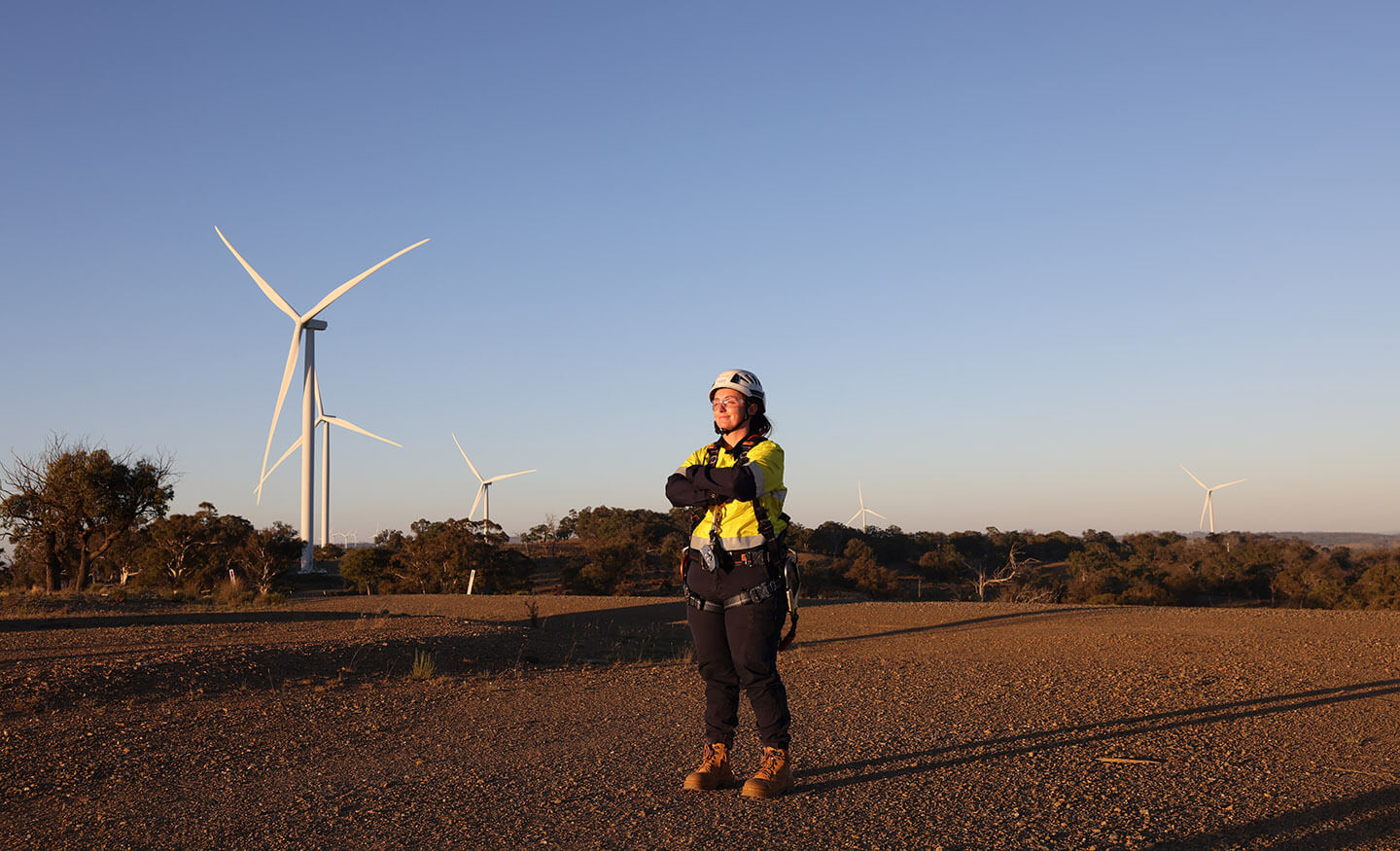
Five years ago, Kacee, a former mining electrician from Broken Hill, made the leap into the renewable energy industry and hasn’t looked back.
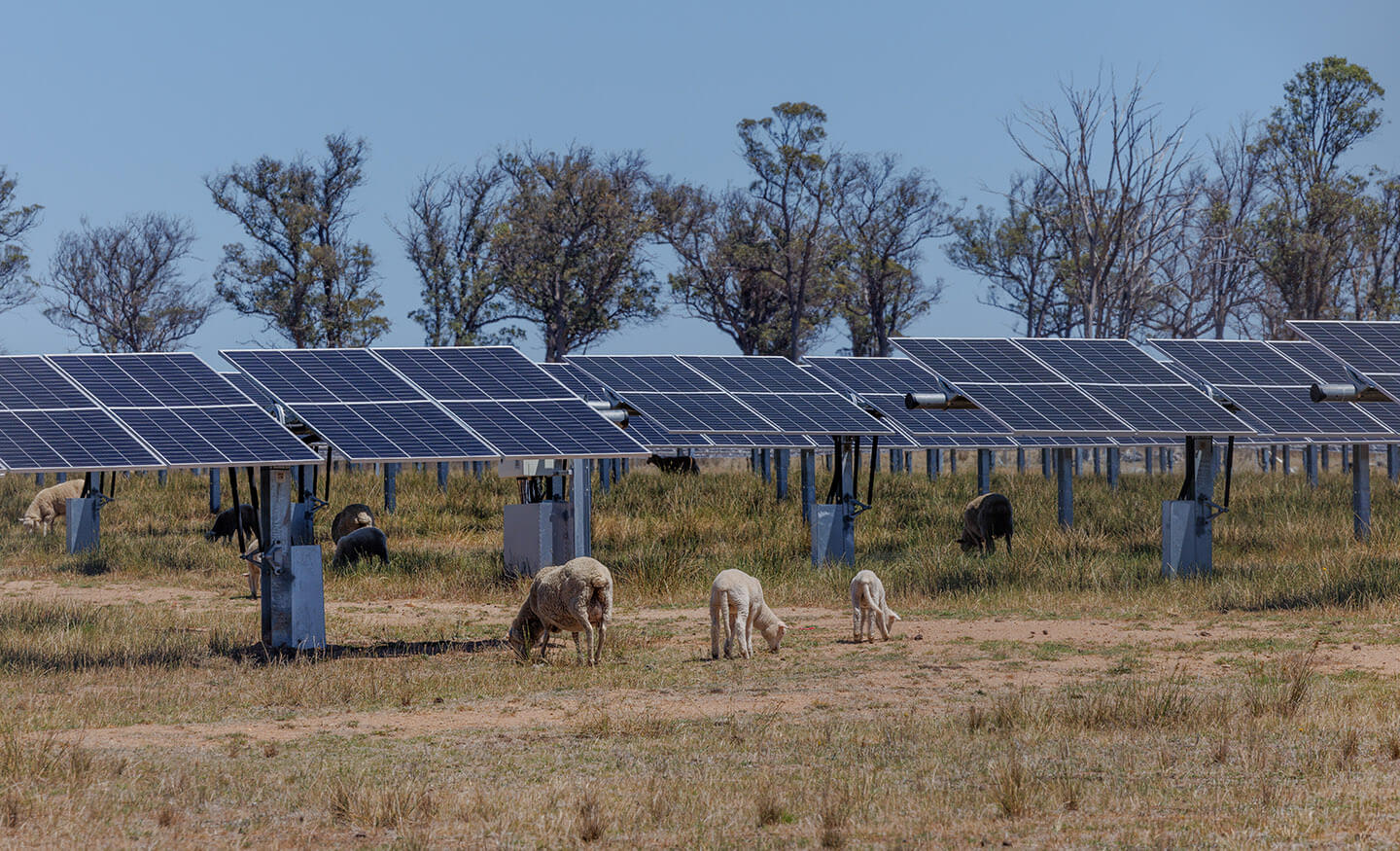
For fifth-generation farmer Cameron Wood, the future of farming doesn’t mean leaving tradition behind, it means evolving with it.